The Boy and the Beast
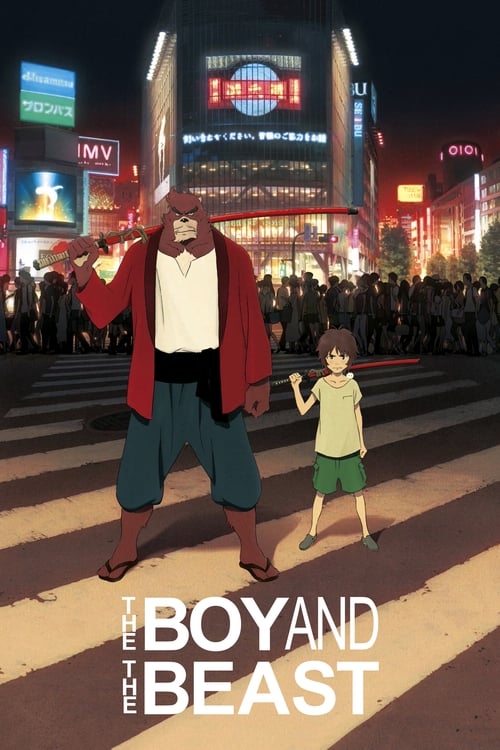
Kyuta, a boy living in Shibuya, and Kumatetsu, a lonesome beast from Jutengai, an imaginary world. One day, Kyuta forays into the imaginary world and, as he's looking for his way back, meets Kumatetsu who becomes his spirit guide. That encounter leads them to many adventures.
The film earned $49.7M at the global box office.
2 wins & 7 nominations


Plot Structure
Story beats plotted across runtime


Narrative Arc
Emotional journey through the story's key moments
Story Circle
Blueprint 15-beat structure
Arcplot Score Breakdown
Weighted: Precision (70%) + Arc (15%) + Theme (15%)
The Boy and the Beast (2015) exhibits carefully calibrated dramatic framework, characteristic of Mamoru Hosoda's storytelling approach. This structural analysis examines how the film's 15-point plot structure maps to proven narrative frameworks across 1 hour and 59 minutes. With an Arcplot score of 6.9, the film balances conventional beats with creative variation.
Characters
Cast & narrative archetypes

Ren/Kyuta
Kumatetsu
Kaede
Ichirohiko
Iouzen
Tatara
Hyakushubo
Main Cast & Characters
Ren/Kyuta
Played by Aoi Miyazaki
A troubled orphan boy who runs away and becomes the disciple of a beast warrior in a parallel world
Kumatetsu
Played by Koji Yakusho
A fierce, undisciplined beast warrior who reluctantly takes on a human disciple to prepare for a succession battle
Kaede
Played by Suzu Hirose
A studious high school girl who befriends Kyuta and helps him reconnect with the human world
Ichirohiko
Played by Keishi Ohtomo
The adopted human son of Iouzen who struggles with his identity and inner darkness
Iouzen
Played by Kazuhiro Yamaji
A refined and disciplined boar warrior who is Kumatetsu's rival for succession to the grandmaster
Tatara
Played by Yo Oizumi
A wise monkey monk who serves as advisor to both Kumatetsu and Kyuta
Hyakushubo
Played by Lily Franky
A pragmatic pig monk who is friends with Tatara and helps watch over Kumatetsu and Kyuta
Structural Analysis
The Status Quo at 1 minutes (1% through the runtime) establishes Nine-year-old Ren sits alone in Shibuya after his mother's death, isolated and filled with rage, refusing to live with his uncaring relatives.. Notably, this early placement immediately immerses viewers in the story world.
The inciting incident occurs at 15 minutes when Ren follows the mysterious beast into an alley and crosses through a portal, finding himself trapped in the beast kingdom of Jutengai with no way home.. At 13% through the film, this Disruption is delayed, allowing extended setup of the story world. This beat shifts the emotional landscape, launching the protagonist into the central conflict.
The First Threshold at 30 minutes marks the transition into Act II, occurring at 25% of the runtime. This illustrates the protagonist's commitment to Ren makes the conscious choice to become Kyuta and train under Kumatetsu, committing to the path of the warrior despite their mutual antagonism., moving from reaction to action.
At 60 minutes, the Midpoint arrives at 50% of the runtime—precisely centered, creating perfect narrative symmetry. Significantly, this crucial beat Kumatetsu defeats Iōzen in the grand tournament through the strength Kyuta gave him, achieving false victory - but Kyuta discovers the portal to Shibuya and his human past., fundamentally raising what's at risk. The emotional intensity shifts, dividing the narrative into clear before-and-after phases.
The Collapse moment at 89 minutes (75% through) represents the emotional nadir. Here, Ichirohiko's darkness manifests as a whale of hatred that possesses him. Kumatetsu is stabbed protecting Kyuta, collapsing bloodied - the father figure seemingly dying., demonstrates the protagonist at their lowest point. This beat's placement in the final quarter sets up the climactic reversal.
The Second Threshold at 95 minutes initiates the final act resolution at 79% of the runtime. Kumatetsu reincarnates as a sword in Kyuta's heart, literally becoming the strength within him. Kyuta accepts both his human and beast world identities, synthesizing his complete self., demonstrating the transformation achieved throughout the journey.
Emotional Journey
The Boy and the Beast's emotional architecture traces a deliberate progression across 15 carefully calibrated beats.
Narrative Framework
This structural analysis employs systematic plot point analysis that identifies crucial turning points. By mapping The Boy and the Beast against these established plot points, we can identify how Mamoru Hosoda utilizes or subverts traditional narrative conventions. The plot point approach reveals not only adherence to structural principles but also creative choices that distinguish The Boy and the Beast within the action genre.
Mamoru Hosoda's Structural Approach
Among the 5 Mamoru Hosoda films analyzed on Arcplot, the average structural score is 7.3, reflecting strong command of classical structure. The Boy and the Beast takes a more unconventional approach compared to the director's typical style. For comparative analysis, explore the complete Mamoru Hosoda filmography.
Comparative Analysis
Additional action films include The Bad Guys, Puss in Boots and Venom: The Last Dance. For more Mamoru Hosoda analyses, see Summer Wars, Mirai and Belle.
Plot Points by Act
Act I
SetupStatus Quo
Nine-year-old Ren sits alone in Shibuya after his mother's death, isolated and filled with rage, refusing to live with his uncaring relatives.
Theme
Kumatetsu tells Tatara that strength doesn't come from being alone - it comes from the heart, and the heart is strengthened by connections with others.
Worldbuilding
Introduction to Ren's isolation in Shibuya and the hidden beast world of Jutengai, where warrior Kumatetsu seeks an apprentice before the grandmaster reincarnates.
Disruption
Ren follows the mysterious beast into an alley and crosses through a portal, finding himself trapped in the beast kingdom of Jutengai with no way home.
Resistance
Ren resists becoming Kumatetsu's apprentice, both master and student clashing due to their similar stubborn, lonely natures. Tatara and Hyakushubo try to mediate.
Act II
ConfrontationFirst Threshold
Ren makes the conscious choice to become Kyuta and train under Kumatetsu, committing to the path of the warrior despite their mutual antagonism.
Mirror World
The training relationship deepens as Kyuta and Kumatetsu begin to learn from each other, forming a surrogate father-son bond that will heal both their hearts.
Premise
Eight years of training montage showing Kyuta growing stronger by studying Kumatetsu's movements, their relationship evolving from antagonistic to familial, preparing for the tournament.
Midpoint
Kumatetsu defeats Iōzen in the grand tournament through the strength Kyuta gave him, achieving false victory - but Kyuta discovers the portal to Shibuya and his human past.
Opposition
Kyuta is torn between two worlds, meeting Kaede in Shibuya and reconnecting with humanity while growing distant from Kumatetsu. His inner darkness grows as he faces identity crisis.
Collapse
Ichirohiko's darkness manifests as a whale of hatred that possesses him. Kumatetsu is stabbed protecting Kyuta, collapsing bloodied - the father figure seemingly dying.
Crisis
Kyuta confronts his own darkness threatening to consume him, while Kumatetsu lies dying. The darkness whale rampages toward Shibuya, threatening both worlds.
Act III
ResolutionSecond Threshold
Kumatetsu reincarnates as a sword in Kyuta's heart, literally becoming the strength within him. Kyuta accepts both his human and beast world identities, synthesizing his complete self.
Synthesis
With Kumatetsu as his inner sword, Kyuta battles the darkness whale through Shibuya, saves Ichirohiko by filling his void with love, and returns to claim his human life with newfound strength.
Transformation
Kyuta, now confident and connected to others, stands in Shibuya surrounded by friends from both worlds - transformed from the isolated, angry boy into a whole person strengthened by love.