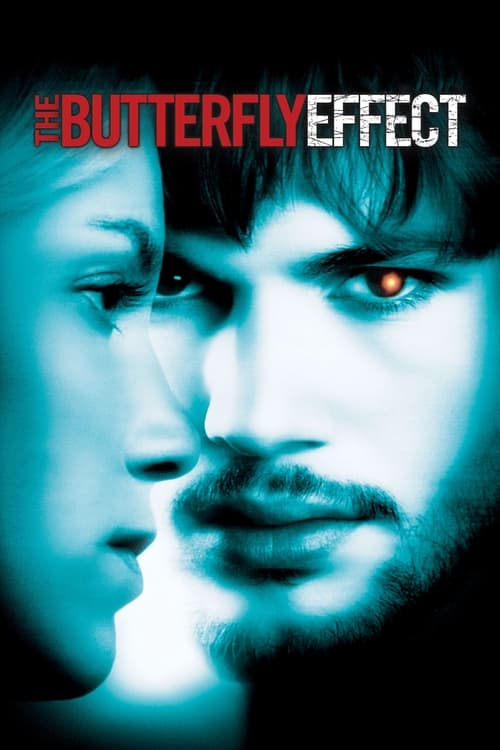
The Butterfly Effect
A young man struggles to access sublimated childhood memories. He finds a technique that allows him to travel back into the past, to occupy his childhood body and change history. However, he soon finds that every change he makes has unexpected consequences.
Despite its small-scale budget of $13.0M, The Butterfly Effect became a box office phenomenon, earning $96.8M worldwide—a remarkable 645% return. The film's unique voice connected with viewers, confirming that strong storytelling can transcend budget limitations.
1 win & 8 nominations


Plot Structure
Story beats plotted across runtime


Narrative Arc
Emotional journey through the story's key moments
Story Circle
Blueprint 15-beat structure
Arcplot Score Breakdown
Weighted: Precision (70%) + Arc (15%) + Theme (15%)
The Butterfly Effect (2004) showcases deliberately positioned plot construction, characteristic of Eric Bress's storytelling approach. This structural analysis examines how the film's 15-point plot structure maps to proven narrative frameworks across 1 hour and 53 minutes. With an Arcplot score of 6.7, the film balances conventional beats with creative variation.
Characters
Cast & narrative archetypes

Evan Treborn
Kayleigh Miller
Lenny Kagan
Tommy Miller
George Miller
Andrea Treborn
Jason Treborn
Main Cast & Characters
Evan Treborn
Played by Ashton Kutcher
A young man who discovers he can travel back in time to his childhood memories, attempting to fix the past to create a better present.
Kayleigh Miller
Played by Amy Smart
Evan's childhood friend and love interest who suffers abuse and becomes the focus of his attempts to change the past.
Lenny Kagan
Played by Elden Henson
Evan's loyal best friend from childhood who becomes institutionalized in certain timelines due to traumatic events.
Tommy Miller
Played by William Lee Scott
Kayleigh's volatile and abusive older brother who becomes increasingly violent and antagonistic.
George Miller
Played by Eric Stoltz
Kayleigh and Tommy's father, a pedophile who sexually abuses his daughter and psychologically damages his children.
Andrea Treborn
Played by Melora Walters
Evan's mother who struggles to protect her son from his blackouts and mysterious childhood traumas.
Jason Treborn
Played by Callum Keith Rennie
Evan's father who is institutionalized for insanity, having also possessed the time-travel ability.
Structural Analysis
The Status Quo at 1 minutes (1% through the runtime) establishes Adult Evan wakes in his dorm room, bloody and disoriented, holding a knife. This flash-forward establishes a protagonist whose reality is fractured and unstable, someone who has lost control of his own timeline.. Of particular interest, this early placement immediately immerses viewers in the story world.
The inciting incident occurs at 15 minutes when The basement incident with Kayleigh and her father George Miller. Young Evan experiences a critical blackout during what we later learn is severe abuse. This trauma becomes the nexus point that will haunt and drive the entire narrative.. At 14% through the film, this Disruption is delayed, allowing extended setup of the story world. This beat shifts the emotional landscape, launching the protagonist into the central conflict.
The First Threshold at 28 minutes marks the transition into Act II, occurring at 25% of the runtime. This reveals the protagonist's commitment to Evan reads his childhood journal and suddenly inhabits his 7-year-old body during the basement incident, experiencing the traumatic memory fully. He discovers he can time-travel through his journals. This supernatural revelation propels him into active intervention., moving from reaction to action.
At 57 minutes, the Midpoint arrives at 50% of the runtime—precisely centered, creating perfect narrative symmetry. Structural examination shows that this crucial beat False defeat: In an alternate timeline, Evan is institutionalized and imprisoned. Kayleigh has become a prostitute. His attempt to be heroic (threatening Tommy's father) backfired catastrophically. The stakes raise dramatically - his interventions are making things worse, not better., fundamentally raising what's at risk. The emotional intensity shifts, dividing the narrative into clear before-and-after phases.
The Collapse moment at 84 minutes (75% through) represents the emotional nadir. Here, Kayleigh dies by suicide, jumping from her apartment window after Evan (in yet another timeline) tries to convince her they're meant to be together. The whiff of death: the person he's been trying to save across all timelines is destroyed by his meddling., illustrates the protagonist at their lowest point. This beat's placement in the final quarter sets up the climactic reversal.
The Second Threshold at 89 minutes initiates the final act resolution at 79% of the runtime. Breakthrough synthesis: Evan realizes the only way to save Kayleigh is to ensure they never become close. He understands he must sacrifice their entire relationship. He accesses his earliest memory - the moment they first met - to sever the connection at its root., demonstrating the transformation achieved throughout the journey.
Emotional Journey
The Butterfly Effect's emotional architecture traces a deliberate progression across 15 carefully calibrated beats.
Narrative Framework
This structural analysis employs proven narrative structure principles that track dramatic progression. By mapping The Butterfly Effect against these established plot points, we can identify how Eric Bress utilizes or subverts traditional narrative conventions. The plot point approach reveals not only adherence to structural principles but also creative choices that distinguish The Butterfly Effect within the science fiction genre.
Comparative Analysis
Additional science fiction films include The Postman, Mad Max 2 and AVP: Alien vs. Predator.
Plot Points by Act
Act I
SetupStatus Quo
Adult Evan wakes in his dorm room, bloody and disoriented, holding a knife. This flash-forward establishes a protagonist whose reality is fractured and unstable, someone who has lost control of his own timeline.
Theme
Evan's mother tells him: "You can't change who people are without destroying who they were." This early warning encapsulates the film's central thesis about the danger of tampering with the past and the identity paradoxes that result.
Worldbuilding
Childhood sequences establish Evan's world: his mysterious blackouts, troubled friendship with Kayleigh and Tommy, abusive father George Miller, and disturbing incidents (dynamite mailbox, basement film). We see the traumatic foundation that will later demand intervention.
Disruption
The basement incident with Kayleigh and her father George Miller. Young Evan experiences a critical blackout during what we later learn is severe abuse. This trauma becomes the nexus point that will haunt and drive the entire narrative.
Resistance
Evan grows up under psychiatric care, keeping detailed journals of his life to combat the blackouts. His therapist guides him through understanding his condition. Years pass; Evan moves to college, seemingly having escaped his troubled past and achieved stability.
Act II
ConfrontationFirst Threshold
Evan reads his childhood journal and suddenly inhabits his 7-year-old body during the basement incident, experiencing the traumatic memory fully. He discovers he can time-travel through his journals. This supernatural revelation propels him into active intervention.
Mirror World
Evan reconnects with Kayleigh in the present day. Their relationship represents the thematic core: love across timelines, the person who embodies both what was lost and what might be saved. She becomes his motivation to "fix" the past.
Premise
The "promise of the premise" - Evan repeatedly travels back to change traumatic events. Timeline 1: He stops the mailbox explosion but creates a new reality where Tommy is violent and Kayleigh is damaged. Each jump promises salvation but delivers unforeseen consequences.
Midpoint
False defeat: In an alternate timeline, Evan is institutionalized and imprisoned. Kayleigh has become a prostitute. His attempt to be heroic (threatening Tommy's father) backfired catastrophically. The stakes raise dramatically - his interventions are making things worse, not better.
Opposition
Evan makes increasingly desperate jumps, creating darker timelines. Each version shows the ripple effects: Lenny institutionalized or dead, Tommy becoming a victim, Evan himself losing limbs or freedom. Reality itself becomes the antagonist, resisting his attempts at correction.
Collapse
Kayleigh dies by suicide, jumping from her apartment window after Evan (in yet another timeline) tries to convince her they're meant to be together. The whiff of death: the person he's been trying to save across all timelines is destroyed by his meddling.
Crisis
Evan spirals into despair, realizing that every timeline he creates causes suffering. He grapples with the dark truth: he is the source of everyone's pain. His journals, his gift, his good intentions - all are instruments of destruction.
Act III
ResolutionSecond Threshold
Breakthrough synthesis: Evan realizes the only way to save Kayleigh is to ensure they never become close. He understands he must sacrifice their entire relationship. He accesses his earliest memory - the moment they first met - to sever the connection at its root.
Synthesis
Evan travels to their first childhood meeting and tells young Kayleigh he hates her and will kill her if she ever speaks to him. This creates a timeline where they never become friends. He then destroys all his journals, severing his ability to time-travel permanently.
Transformation
Eight years later, Evan passes Kayleigh on a New York street. They pause, feel a flicker of recognition, but keep walking. She is alive, healthy, happy with someone else. Evan has transformed from someone trying to control fate into someone who accepts loss for the greater good.