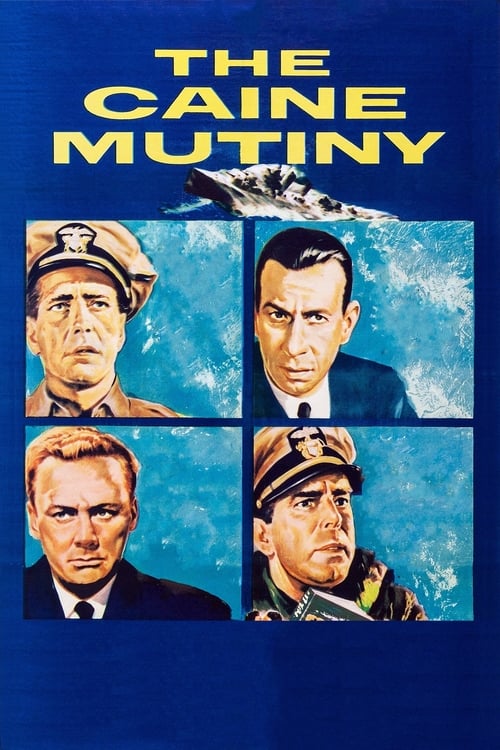
The Caine Mutiny
When a US Naval captain shows signs of mental instability that jeopardize his ship, the first officer relieves him of command and faces court martial for mutiny.
Despite its modest budget of $2.0M, The Caine Mutiny became a commercial juggernaut, earning $21.8M worldwide—a remarkable 988% return. The film's fresh perspective resonated with audiences, showing that strong storytelling can transcend budget limitations.
Nominated for 7 Oscars. 2 wins & 13 nominations


Plot Structure
Story beats plotted across runtime


Narrative Arc
Emotional journey through the story's key moments
Story Circle
Blueprint 15-beat structure
Arcplot Score Breakdown
Weighted: Precision (70%) + Arc (15%) + Theme (15%)
The Caine Mutiny (1954) showcases strategically placed narrative architecture, characteristic of Edward Dmytryk's storytelling approach. This structural analysis examines how the film's 15-point plot structure maps to proven narrative frameworks across 2 hours and 4 minutes. With an Arcplot score of 6.9, the film balances conventional beats with creative variation.
Characters
Cast & narrative archetypes

Lt. Steve Maryk
Lt. Barney Greenwald
Captain Philip Francis Queeg
Lt. Tom Keefer
Ens. Willie Keith
May Wynn
Main Cast & Characters
Lt. Steve Maryk
Played by Van Johnson
Executive officer who leads the mutiny against Captain Queeg during a typhoon, torn between duty and necessity.
Lt. Barney Greenwald
Played by José Ferrer
Reluctant defense attorney who defends the mutineers at court-martial, wrestling with divided loyalties.
Captain Philip Francis Queeg
Played by Humphrey Bogart
Paranoid and unstable captain of the USS Caine whose erratic command leads to mutiny.
Lt. Tom Keefer
Played by Fred MacMurray
Intellectual communications officer who plants seeds of doubt about Queeg but avoids responsibility during the mutiny.
Ens. Willie Keith
Played by Robert Francis
Young, privileged officer who matures through his service on the Caine and witnesses the mutiny.
May Wynn
Played by May Wynn
Willie Keith's nightclub singer girlfriend who represents his life outside the Navy.
Structural Analysis
The Status Quo at 1 minutes (1% through the runtime) establishes Ensign Willie Keith arrives at naval headquarters in San Francisco, a privileged Princeton graduate about to join his first ship assignment, representing the carefree, entitled young man he is before the trials ahead.. Structural examination shows that this early placement immediately immerses viewers in the story world.
The inciting incident occurs at 14 minutes when Captain Queeg arrives to take command of the Caine, replacing the easygoing DeVriess with a rigid, by-the-book martinet who immediately demonstrates his obsessive nature and undermines crew morale with petty regulations.. At 11% through the film, this Disruption aligns precisely with traditional story structure. This beat shifts the emotional landscape, launching the protagonist into the central conflict.
The First Threshold at 30 minutes marks the transition into Act II, occurring at 25% of the runtime. This illustrates the protagonist's commitment to Keith actively chooses to side with Keefer and Maryk in their growing conviction that Queeg is unfit for command, crossing from loyal junior officer to participant in questioning his captain's competence., moving from reaction to action.
At 61 minutes, the Midpoint arrives at 49% of the runtime—precisely centered, creating perfect narrative symmetry. Of particular interest, this crucial beat During target practice, Queeg orders the ship in a full circle while frozen with indecision, nearly causing a collision. Maryk shows Keith his detailed medical log of Queeg's erratic behavior. The stakes are raised: they now have documentation that could justify relief of command, but using it means mutiny., fundamentally raising what's at risk. The emotional intensity shifts, dividing the narrative into clear before-and-after phases.
The Collapse moment at 91 minutes (74% through) represents the emotional nadir. Here, Maryk relieves Queeg of command during the typhoon, with Keith supporting him as witness. The moment they've dreaded has arrived - they've committed mutiny. Everything they knew, their careers, their honor, their freedom - all of it dies in this moment., reveals the protagonist at their lowest point. This beat's placement in the final quarter sets up the climactic reversal.
The Second Threshold at 98 minutes initiates the final act resolution at 79% of the runtime. Greenwald takes the case and develops a strategy: put Queeg himself on trial by exposing his mental instability. The defense will argue that relieving Queeg was justified under Article 184 - not mutiny, but medical necessity., demonstrating the transformation achieved throughout the journey.
Emotional Journey
The Caine Mutiny's emotional architecture traces a deliberate progression across 15 carefully calibrated beats.
Narrative Framework
This structural analysis employs a 15-point narrative structure framework that maps key story moments. By mapping The Caine Mutiny against these established plot points, we can identify how Edward Dmytryk utilizes or subverts traditional narrative conventions. The plot point approach reveals not only adherence to structural principles but also creative choices that distinguish The Caine Mutiny within the drama genre.
Edward Dmytryk's Structural Approach
Among the 3 Edward Dmytryk films analyzed on Arcplot, the average structural score is 7.3, reflecting strong command of classical structure. The Caine Mutiny takes a more unconventional approach compared to the director's typical style. For comparative analysis, explore the complete Edward Dmytryk filmography.
Comparative Analysis
Additional drama films include After Thomas, South Pacific and Dirty Dancing: Havana Nights. For more Edward Dmytryk analyses, see Raintree County, The Carpetbaggers.
Plot Points by Act
Act I
SetupStatus Quo
Ensign Willie Keith arrives at naval headquarters in San Francisco, a privileged Princeton graduate about to join his first ship assignment, representing the carefree, entitled young man he is before the trials ahead.
Theme
Captain DeVriess tells Keith that the Navy is about following orders and the chain of command, even when you disagree. "You're in the Navy now" - foreshadowing the central conflict between duty, loyalty, and judgment.
Worldbuilding
Introduction to the USS Caine, a worn-down minesweeper with a slovenly crew under the relaxed command of Captain DeVriess. Keith meets his fellow officers including Steve Maryk and Tom Keefer, and struggles with the ship's poor discipline and his own inadequacy.
Disruption
Captain Queeg arrives to take command of the Caine, replacing the easygoing DeVriess with a rigid, by-the-book martinet who immediately demonstrates his obsessive nature and undermines crew morale with petty regulations.
Resistance
The crew debates whether Queeg is an effective disciplinarian or a dangerous incompetent. A series of incidents reveals Queeg's paranoia and poor judgment: the yellow dye marker incident, cutting the towline, and his obsession with the missing strawberries. Keefer plants seeds of doubt about Queeg's sanity.
Act II
ConfrontationFirst Threshold
Keith actively chooses to side with Keefer and Maryk in their growing conviction that Queeg is unfit for command, crossing from loyal junior officer to participant in questioning his captain's competence.
Mirror World
Keith's relationship with May Wynn deepens during shore leave. She represents the moral clarity and authentic emotion that contrasts with the Byzantine politics and moral ambiguity aboard the Caine, embodying the question of what truly matters.
Premise
The promise of the premise: watching Queeg's psychological unraveling through escalating incidents of paranoia and incompetence. The strawberry investigation becomes an obsession, Queeg breaks down before his officers, and Keefer convinces Maryk to keep a medical log documenting Queeg's mental state under Article 184.
Midpoint
During target practice, Queeg orders the ship in a full circle while frozen with indecision, nearly causing a collision. Maryk shows Keith his detailed medical log of Queeg's erratic behavior. The stakes are raised: they now have documentation that could justify relief of command, but using it means mutiny.
Opposition
The Caine is caught in a typhoon. Queeg's panic and poor seamanship endanger the ship as he refuses to turn into the wind. The pressure builds as water floods the ship and it lists dangerously. The crew's survival depends on a decision no one wants to make.
Collapse
Maryk relieves Queeg of command during the typhoon, with Keith supporting him as witness. The moment they've dreaded has arrived - they've committed mutiny. Everything they knew, their careers, their honor, their freedom - all of it dies in this moment.
Crisis
Maryk and Keith face court-martial for mutiny. In the dark period before trial, they grapple with whether they were heroes who saved the ship or traitors who broke the sacred chain of command. Their lawyer Greenwald is pessimistic about their chances.
Act III
ResolutionSecond Threshold
Greenwald takes the case and develops a strategy: put Queeg himself on trial by exposing his mental instability. The defense will argue that relieving Queeg was justified under Article 184 - not mutiny, but medical necessity.
Synthesis
The court-martial finale. Greenwald systematically breaks down Queeg on the witness stand, forcing him to reveal his paranoia and instability. The famous "strawberries" breakdown occurs. Maryk is acquitted. At the celebration, Greenwald confronts them with the truth: Queeg was a regular officer who cracked under pressure, while Keefer was the real villain who poisoned their minds.
Transformation
Keith, now mature and sobered, understands that there were no heroes in this story - only flawed men who failed each other. He chooses May Wynn and a future built on humility rather than entitlement, transformed from the cocky ensign of the opening into a man who understands the weight of judgment and loyalty.