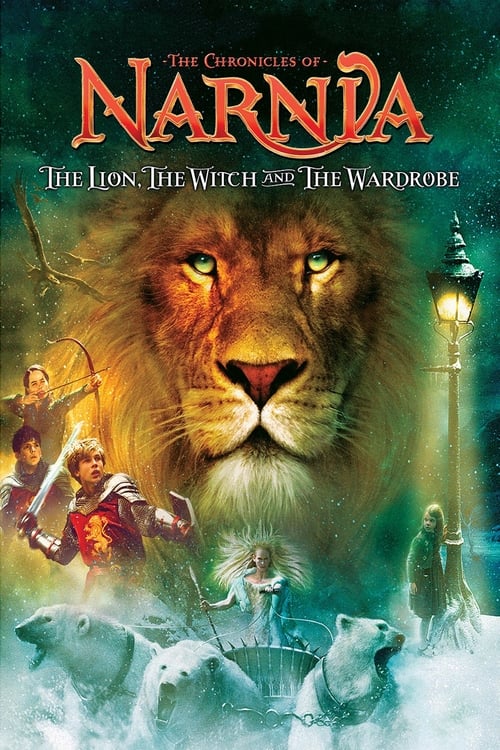
The Chronicles of Narnia: The Lion, the Witch and the Wardrobe
While playing, Lucy and her siblings find a wardrobe that lands them in a mystical place called Narnia. Here they realize that it was fated and they must now unite with Aslan to defeat an evil queen.
Despite a enormous budget of $180.0M, The Chronicles of Narnia: The Lion, the Witch and the Wardrobe became a financial success, earning $745.0M worldwide—a 314% return. This commercial performance validated the ambitious narrative scope, illustrating how audiences embrace unique voice even at blockbuster scale.
1 Oscar. 18 wins & 46 nominations


Plot Structure
Story beats plotted across runtime


Narrative Arc
Emotional journey through the story's key moments
Story Circle
Blueprint 15-beat structure
Characters
Cast & narrative archetypes

Lucy Pevensie
Edmund Pevensie
Peter Pevensie
Susan Pevensie
Aslan
Jadis the White Witch
Mr. Tumnus
Professor Kirke
Main Cast & Characters
Lucy Pevensie
Played by Georgie Henley
The youngest Pevensie sibling who first discovers Narnia and maintains unwavering faith in its existence and goodness.
Edmund Pevensie
Played by Skandar Keynes
The third Pevensie child who betrays his siblings to the White Witch but ultimately redeems himself through sacrifice and courage.
Peter Pevensie
Played by William Moseley
The eldest Pevensie sibling who reluctantly accepts his role as leader and becomes the High King of Narnia.
Susan Pevensie
Played by Anna Popplewell
The second eldest Pevensie child, practical and cautious, who struggles with belief but proves to be a skilled archer and warrior.
Aslan
Played by Liam Neeson
The great lion and true king of Narnia who sacrifices himself to save Edmund and leads the fight against the White Witch.
Jadis the White Witch
Played by Tilda Swinton
The self-proclaimed Queen of Narnia who has cursed the land with eternal winter and seeks to destroy the prophesied human rulers.
Mr. Tumnus
Played by James McAvoy
A faun who befriends Lucy and risks his life by refusing to turn her over to the White Witch.
Professor Kirke
Played by Jim Broadbent
The elderly professor who owns the house with the wardrobe and subtly encourages the children to believe Lucy's story.
Structural Analysis
The Status Quo at 1 minutes (1% through the runtime) establishes The Pevensie children in wartime London. Lucy reads by lamplight while bombs fall, establishing the family's ordinary world of fear and separation during the Blitz.. The analysis reveals that this early placement immediately immerses viewers in the story world.
The inciting incident occurs at 16 minutes when Lucy discovers Narnia through the wardrobe. She steps into a snowy forest and meets Mr. Tumnus the faun, entering a magical world that shouldn't exist.. At 11% through the film, this Disruption aligns precisely with traditional story structure. This beat shifts the emotional landscape, launching the protagonist into the central conflict.
The First Threshold at 35 minutes marks the transition into Act II, occurring at 24% of the runtime. This demonstrates the protagonist's commitment to All four children enter Narnia together while fleeing the housekeeper. Peter says "We have to help Mr. Tumnus" - an active choice to commit to this new world and take responsibility., moving from reaction to action.
At 72 minutes, the Midpoint arrives at 50% of the runtime—precisely centered, creating perfect narrative symmetry. Significantly, this crucial beat The children meet Aslan at his camp. False victory - they've found their leader and protector, the army is gathering, Edmund is rescued. Everything seems to be going their way, but the real cost hasn't been revealed yet., fundamentally raising what's at risk. The emotional intensity shifts, dividing the narrative into clear before-and-after phases.
The Collapse moment at 104 minutes (73% through) represents the emotional nadir. Here, Aslan is sacrificed on the Stone Table. The literal death - Aslan is humiliated, bound, shaved, and killed by the White Witch while Lucy and Susan watch helplessly. The children's hope and protector is gone., reveals the protagonist at their lowest point. This beat's placement in the final quarter sets up the climactic reversal.
The Second Threshold at 112 minutes initiates the final act resolution at 79% of the runtime. Aslan resurrects as the Stone Table cracks. "The Deeper Magic from before the Dawn of Time" - sacrifice for a traitor breaks death itself. New understanding: willing sacrifice defeats evil. Aslan explains what the Witch didn't know., demonstrating the transformation achieved throughout the journey.
Emotional Journey
The Chronicles of Narnia: The Lion, the Witch and the Wardrobe's emotional architecture traces a deliberate progression across 15 carefully calibrated beats.
Narrative Framework
This structural analysis employs structural analysis methodology used to understand storytelling architecture. By mapping The Chronicles of Narnia: The Lion, the Witch and the Wardrobe against these established plot points, we can identify how Andrew Adamson utilizes or subverts traditional narrative conventions. The plot point approach reveals not only adherence to structural principles but also creative choices that distinguish The Chronicles of Narnia: The Lion, the Witch and the Wardrobe within the adventure genre.
Andrew Adamson's Structural Approach
Among the 2 Andrew Adamson films analyzed on Arcplot, the average structural score is 7.3, reflecting strong command of classical structure. The Chronicles of Narnia: The Lion, the Witch and the Wardrobe exemplifies the director's characteristic narrative technique. For comparative analysis, explore the complete Andrew Adamson filmography.
Comparative Analysis
Additional adventure films include The Black Stallion, The Bad Guys and Puss in Boots. For more Andrew Adamson analyses, see The Chronicles of Narnia: Prince Caspian.
Plot Points by Act
Act I
SetupStatus Quo
The Pevensie children in wartime London. Lucy reads by lamplight while bombs fall, establishing the family's ordinary world of fear and separation during the Blitz.
Theme
Professor Kirke tells the children "It's not the house you should be worried about, it's the people in it" - foreshadowing the theme of belief, trust, and the importance of unity over cynicism.
Worldbuilding
The children arrive at Professor Kirke's mansion, explore their new surroundings, establish their relationships (Peter as reluctant leader, Edmund's bitterness, Susan's skepticism, Lucy's wonder), and play hide-and-seek.
Disruption
Lucy discovers Narnia through the wardrobe. She steps into a snowy forest and meets Mr. Tumnus the faun, entering a magical world that shouldn't exist.
Resistance
Lucy returns but no time has passed. Her siblings don't believe her. Edmund follows and meets the White Witch, who manipulates him with Turkish Delight. The children debate whether Narnia is real. Lucy struggles with being disbelieved.
Act II
ConfrontationFirst Threshold
All four children enter Narnia together while fleeing the housekeeper. Peter says "We have to help Mr. Tumnus" - an active choice to commit to this new world and take responsibility.
Mirror World
The children meet Mr. and Mrs. Beaver, who become their guides and tell them about Aslan. The Beavers represent faith and loyalty, carrying the thematic heart of belief in what cannot yet be seen.
Premise
The promise of the premise: a magical winter world, talking animals, prophecies of four thrones, Edmund's betrayal, escape from wolves, journey to meet Aslan, Father Christmas gifts. The adventure the audience came for.
Midpoint
The children meet Aslan at his camp. False victory - they've found their leader and protector, the army is gathering, Edmund is rescued. Everything seems to be going their way, but the real cost hasn't been revealed yet.
Opposition
The White Witch demands Edmund's blood per Deep Magic. Aslan negotiates privately with her. Tension builds. Peter leads his first battle against Jadis's forces. The Witch's power grows as spring begins to thaw.
Collapse
Aslan is sacrificed on the Stone Table. The literal death - Aslan is humiliated, bound, shaved, and killed by the White Witch while Lucy and Susan watch helplessly. The children's hope and protector is gone.
Crisis
Lucy and Susan grieve through the night beside Aslan's body. The darkest emotional moment - processing the loss, facing despair. Dawn comes slowly as they sit with their fallen leader.
Act III
ResolutionSecond Threshold
Aslan resurrects as the Stone Table cracks. "The Deeper Magic from before the Dawn of Time" - sacrifice for a traitor breaks death itself. New understanding: willing sacrifice defeats evil. Aslan explains what the Witch didn't know.
Synthesis
Aslan frees the Witch's stone prisoners. The final battle at the Witch's castle and Beruna. Edmund redeems himself breaking her wand. Peter leads the army. Aslan kills the Witch. The children are crowned as Kings and Queens of Narnia.
Transformation
The adult Pevensies hunting the White Stag find the lamppost and tumble back through the wardrobe as children. They're transformed - Lucy is believed, Edmund is redeemed, Peter has become the leader, Susan trusts. Professor Kirke smiles knowingly.