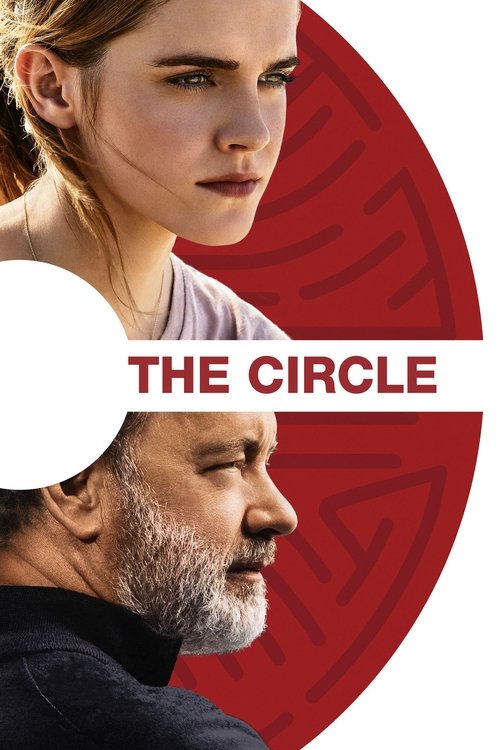
The Circle
A young tech worker takes a job at a powerful Internet corporation, quickly rises up the company's ranks, and soon finds herself in a perilous situation concerning privacy, surveillance and freedom. She comes to learn that her decisions and actions will determine the future of humanity.
Despite a respectable budget of $18.0M, The Circle became a commercial success, earning $40.7M worldwide—a 126% return.
4 wins & 1 nomination


Plot Structure
Story beats plotted across runtime


Narrative Arc
Emotional journey through the story's key moments
Story Circle
Blueprint 15-beat structure
Arcplot Score Breakdown
Weighted: Precision (70%) + Arc (15%) + Theme (15%)
The Circle (2017) demonstrates precise narrative architecture, characteristic of James Ponsoldt's storytelling approach. This structural analysis examines how the film's 15-point plot structure maps to proven narrative frameworks across 1 hour and 50 minutes. With an Arcplot score of 7.1, the film balances conventional beats with creative variation.
Characters
Cast & narrative archetypes

Mae Holland
Eamon Bailey
Ty Lafitte
Mercer Medeiros
Annie Allerton
Tom Stenton
Main Cast & Characters
Mae Holland
Played by Emma Watson
An idealistic young woman who joins The Circle, a powerful tech company, and becomes increasingly absorbed by its culture of transparency and surveillance.
Eamon Bailey
Played by Tom Hanks
The charismatic co-founder of The Circle who champions radical transparency and uses Mae to advance his vision of total surveillance.
Ty Lafitte
Played by John Boyega
The reclusive co-founder of The Circle who created the original technology but now opposes the company's dystopian direction.
Mercer Medeiros
Played by Ellar Coltrane
Mae's ex-boyfriend and childhood friend who rejects technology and The Circle's philosophy, advocating for privacy and authentic human connection.
Annie Allerton
Played by Karen Gillan
Mae's best friend and high-ranking Circle employee who helped Mae get hired but becomes strained by Mae's rapid rise and ideological transformation.
Tom Stenton
Played by Patton Oswalt
The ruthless co-founder of The Circle focused on profit and data exploitation, representing corporate greed masked by innovation.
Structural Analysis
The Status Quo at 1 minutes (1% through the runtime) establishes Mae Holland works at a utility company in a cramped cubicle, living paycheck to paycheck with a sick father who needs expensive medical care. Her ordinary world is one of financial struggle and limitation.. Structural examination shows that this early placement immediately immerses viewers in the story world.
The inciting incident occurs at 14 minutes when Mae gets the job at The Circle with full benefits that will cover her father's medical care. Her life is suddenly transformed from struggle to opportunity, pulling her into The Circle's world.. At 12% through the film, this Disruption aligns precisely with traditional story structure. This beat shifts the emotional landscape, launching the protagonist into the central conflict.
The First Threshold at 27 minutes marks the transition into Act II, occurring at 25% of the runtime. This indicates the protagonist's commitment to After stealing a kayak in a moment of private rebellion, Mae is confronted by Bailey with video footage of her actions. Rather than being fired, she's offered a chance to "go transparent" - wearing a camera 24/7. Mae actively chooses to embrace full transparency and become The Circle's public face., moving from reaction to action.
At 55 minutes, the Midpoint arrives at 50% of the runtime—precisely centered, creating perfect narrative symmetry. Notably, this crucial beat Mae successfully demonstrates The Circle's power by finding a wanted criminal in less than 10 minutes using global crowdsourced surveillance. This false victory shows the technology "working" perfectly, but the stakes secretly raise as the implications of this power become clear., fundamentally raising what's at risk. The emotional intensity shifts, dividing the narrative into clear before-and-after phases.
The Collapse moment at 82 minutes (74% through) represents the emotional nadir. Here, Mae demonstrates finding anyone in minutes by locating Mercer. The global mob pursues him in real-time, and he drives off a bridge to his death while trying to escape the cameras and drones. Mae has directly caused the death of someone she cared about., demonstrates the protagonist at their lowest point. This beat's placement in the final quarter sets up the climactic reversal.
The Second Threshold at 88 minutes initiates the final act resolution at 80% of the runtime. Mae realizes that the solution isn't to destroy The Circle, but to turn its transparency back on its leaders. She decides to make Bailey and Stenton "go transparent" themselves, using The Circle's own philosophy against them. This synthesis combines her insider knowledge with Ty's warnings., demonstrating the transformation achieved throughout the journey.
Emotional Journey
The Circle's emotional architecture traces a deliberate progression across 15 carefully calibrated beats.
Narrative Framework
This structural analysis employs proven narrative structure principles that track dramatic progression. By mapping The Circle against these established plot points, we can identify how James Ponsoldt utilizes or subverts traditional narrative conventions. The plot point approach reveals not only adherence to structural principles but also creative choices that distinguish The Circle within the drama genre.
James Ponsoldt's Structural Approach
Among the 3 James Ponsoldt films analyzed on Arcplot, the average structural score is 7.2, reflecting strong command of classical structure. The Circle takes a more unconventional approach compared to the director's typical style. For comparative analysis, explore the complete James Ponsoldt filmography.
Comparative Analysis
Additional drama films include After Thomas, South Pacific and Dirty Dancing: Havana Nights. For more James Ponsoldt analyses, see The End of the Tour, The Spectacular Now.
Plot Points by Act
Act I
SetupStatus Quo
Mae Holland works at a utility company in a cramped cubicle, living paycheck to paycheck with a sick father who needs expensive medical care. Her ordinary world is one of financial struggle and limitation.
Theme
Eamon Bailey presents at Circle, stating "Knowing is good, but knowing everything is better" and discussing transparency as the path to a better world. This establishes the film's central question about privacy versus transparency.
Worldbuilding
Mae interviews at The Circle through her friend Annie's connection. We see The Circle's utopian campus, meet key figures like Bailey and Tom Stenton, and learn about the company's mission to connect everything through technology and transparency.
Disruption
Mae gets the job at The Circle with full benefits that will cover her father's medical care. Her life is suddenly transformed from struggle to opportunity, pulling her into The Circle's world.
Resistance
Mae navigates her new role in Customer Experience, learning The Circle's culture of total participation and transparency. She receives pressure to be more social online, encounters Ty Gospodinov (Kalden), and begins to embrace the company's philosophy despite some hesitation.
Act II
ConfrontationFirst Threshold
After stealing a kayak in a moment of private rebellion, Mae is confronted by Bailey with video footage of her actions. Rather than being fired, she's offered a chance to "go transparent" - wearing a camera 24/7. Mae actively chooses to embrace full transparency and become The Circle's public face.
Mirror World
Mae's relationship with Mercer, her ex-boyfriend who represents analog life and privacy, becomes the thematic counterpoint. He warns her about The Circle's dangers and refuses to participate in their world, representing the values Mae is abandoning.
Premise
Mae lives transparently, broadcasting her life to millions. She becomes a celebrity, demonstrates SeeChange cameras globally, helps find a fugitive, and champions The Circle's vision. This section delivers the premise: what happens when someone lives completely transparently in a tech surveillance state.
Midpoint
Mae successfully demonstrates The Circle's power by finding a wanted criminal in less than 10 minutes using global crowdsourced surveillance. This false victory shows the technology "working" perfectly, but the stakes secretly raise as the implications of this power become clear.
Opposition
Mae's parents struggle with cameras in their home. Annie becomes exhausted and resentful as Mae's star rises. Ty/Kalden reveals he created TrueYou but warns Mae that Bailey and Stenton corrupted his vision. Mae pushes forward with "transparency" initiatives despite mounting personal costs and warnings.
Collapse
Mae demonstrates finding anyone in minutes by locating Mercer. The global mob pursues him in real-time, and he drives off a bridge to his death while trying to escape the cameras and drones. Mae has directly caused the death of someone she cared about.
Crisis
Mae grapples with Mercer's death and the consequences of total transparency. She meets with Ty, who urges her to help destroy The Circle's databases. She faces a choice between exposing The Circle or continuing to enable it.
Act III
ResolutionSecond Threshold
Mae realizes that the solution isn't to destroy The Circle, but to turn its transparency back on its leaders. She decides to make Bailey and Stenton "go transparent" themselves, using The Circle's own philosophy against them. This synthesis combines her insider knowledge with Ty's warnings.
Synthesis
Mae executes her plan at a major Circle presentation. She publicly pressures Bailey and Stenton to go transparent by their own rules, forcing them to agree. She accesses their private communications and makes them public, revealing their manipulations. The Circle's completion is assured, but now its leaders are subject to it.
Transformation
Mae kayaks again, now with drones following her. She has fully embraced The Circle's transparent world. Unlike the Status Quo where she stole a kayak for privacy, she now accepts constant surveillance as normal. She has become the system rather than escaping it - a corrupted transformation.