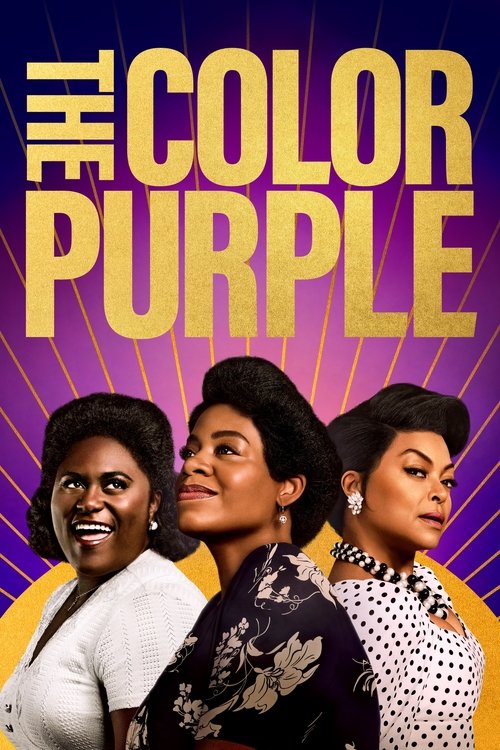
The Color Purple
A decades-spanning tale of love and resilience and of one woman's journey to independence. Celie faces many hardships in her life, but ultimately finds extraordinary strength and hope in the unbreakable bonds of sisterhood.
The film struggled financially against its considerable budget of $90.0M, earning $68.9M globally (-23% loss).
Nominated for 1 Oscar. 39 wins & 99 nominations


Plot Structure
Story beats plotted across runtime


Narrative Arc
Emotional journey through the story's key moments
Story Circle
Blueprint 15-beat structure
Arcplot Score Breakdown
Weighted: Precision (70%) + Arc (15%) + Theme (15%)
The Color Purple (2023) exemplifies meticulously timed narrative architecture, characteristic of Blitz Bazawule's storytelling approach. This structural analysis examines how the film's 15-point plot structure maps to proven narrative frameworks across 2 hours and 21 minutes. With an Arcplot score of 6.5, the film balances conventional beats with creative variation.
Characters
Cast & narrative archetypes

Celie Harris-Johnson
Nettie Harris
Shug Avery
Albert "Mister" Johnson
Sofia
Harpo Johnson
Squeak (Mary Agnes)
Main Cast & Characters
Celie Harris-Johnson
Played by Fantasia Barrino
A young Black woman who endures abuse and oppression but ultimately finds her voice, strength, and independence through love and sisterhood.
Nettie Harris
Played by Halle Bailey
Celie's beloved younger sister and lifelong confidante, separated from Celie but whose letters sustain hope and connection across decades.
Shug Avery
Played by Taraji P. Henson
A glamorous, independent blues singer who becomes Celie's catalyst for self-discovery, teaching her about love, sensuality, and self-worth.
Albert "Mister" Johnson
Played by Colman Domingo
Celie's abusive husband who controls and demeans her for years before experiencing his own reckoning and transformation.
Sofia
Played by Danielle Brooks
A strong-willed, defiant woman who refuses to submit to abuse, suffering brutal consequences for her resistance to white and patriarchal authority.
Harpo Johnson
Played by Corey Hawkins
Mister's son who struggles between his love for Sofia and societal pressure to dominate women, eventually learning to respect her strength.
Squeak (Mary Agnes)
Played by H.E.R.
Harpo's second partner, a timid woman who finds her own voice and musical talent, eventually claiming her identity and independence.
Structural Analysis
The Status Quo at 2 minutes (1% through the runtime) establishes Young Celie plays joyfully with her sister Nettie in rural Georgia, showing their close bond and innocence before trauma fractures their world.. Of particular interest, this early placement immediately immerses viewers in the story world.
The inciting incident occurs at 17 minutes when Mister forcibly separates Celie from Nettie when Nettie refuses his advances, ripping apart the sisters and leaving Celie completely isolated in her abusive marriage.. At 12% through the film, this Disruption aligns precisely with traditional story structure. This beat shifts the emotional landscape, launching the protagonist into the central conflict.
The First Threshold at 35 minutes marks the transition into Act II, occurring at 25% of the runtime. This reveals the protagonist's commitment to The arrival of Shug Avery, Mister's glamorous mistress, opens a new world for Celie—she chooses to care for the sick Shug, beginning her journey toward self-worth and love., moving from reaction to action.
At 70 minutes, the Midpoint arrives at 50% of the runtime—precisely centered, creating perfect narrative symmetry. Notably, this crucial beat Celie and Shug share an intimate moment of connection and love, marking a false victory—Celie feels alive and valued, but hasn't yet confronted the truth about her stolen letters., fundamentally raising what's at risk. The emotional intensity shifts, dividing the narrative into clear before-and-after phases.
The Collapse moment at 105 minutes (75% through) represents the emotional nadir. Here, Celie discovers Mister has hidden decades of letters from Nettie, stealing her sister's voice and their connection—the death of her hope and trust in God., shows the protagonist at their lowest point. This beat's placement in the final quarter sets up the climactic reversal.
The Second Threshold at 113 minutes initiates the final act resolution at 80% of the runtime. At a family dinner, Celie publicly curses Mister and declares her independence, choosing herself for the first time—she leaves with Shug to start a new life., demonstrating the transformation achieved throughout the journey.
Emotional Journey
The Color Purple's emotional architecture traces a deliberate progression across 15 carefully calibrated beats.
Narrative Framework
This structural analysis employs a 15-point narrative structure framework that maps key story moments. By mapping The Color Purple against these established plot points, we can identify how Blitz Bazawule utilizes or subverts traditional narrative conventions. The plot point approach reveals not only adherence to structural principles but also creative choices that distinguish The Color Purple within the drama genre.
Comparative Analysis
Additional drama films include After Thomas, South Pacific and Dirty Dancing: Havana Nights.
Plot Points by Act
Act I
SetupStatus Quo
Young Celie plays joyfully with her sister Nettie in rural Georgia, showing their close bond and innocence before trauma fractures their world.
Theme
Nettie tells Celie "Nothing but death can keep me from you," establishing the theme of unbreakable bonds and the power of love to transcend separation.
Worldbuilding
Celie endures abuse from her father, loses her children, and is forced to marry the cruel Mister. The world of oppression, racism, and patriarchal violence in early 1900s Georgia is established.
Disruption
Mister forcibly separates Celie from Nettie when Nettie refuses his advances, ripping apart the sisters and leaving Celie completely isolated in her abusive marriage.
Resistance
Celie writes letters to God and endures Mister's abuse while forming a tentative bond with her stepson Harpo and his strong-willed wife Sofia, who models resistance.
Act II
ConfrontationFirst Threshold
The arrival of Shug Avery, Mister's glamorous mistress, opens a new world for Celie—she chooses to care for the sick Shug, beginning her journey toward self-worth and love.
Mirror World
Shug teaches Celie about self-love and beauty, telling her she's beautiful—the beginning of their transformative relationship that will carry the film's themes of identity and worthiness.
Premise
Celie explores newfound confidence through her deepening bond with Shug, experiencing joy, music, and glimpses of freedom while still trapped in Mister's household.
Midpoint
Celie and Shug share an intimate moment of connection and love, marking a false victory—Celie feels alive and valued, but hasn't yet confronted the truth about her stolen letters.
Opposition
Shug leaves to pursue her career and marriage, Sofia is imprisoned and brutalized, and Celie's isolation deepens as the forces of oppression close in around her.
Collapse
Celie discovers Mister has hidden decades of letters from Nettie, stealing her sister's voice and their connection—the death of her hope and trust in God.
Crisis
Celie reads Nettie's letters and confronts the full weight of her stolen life, wrestling with rage, grief, and the question of whether she can reclaim her voice and agency.
Act III
ResolutionSecond Threshold
At a family dinner, Celie publicly curses Mister and declares her independence, choosing herself for the first time—she leaves with Shug to start a new life.
Synthesis
Celie builds her own business making pants, reconciles with a reformed Mister, and creates a life of independence and purpose while waiting for Nettie's return.
Transformation
Celie reunites with Nettie and her grown children in a purple flower field, transformed from a silenced girl into a woman who found her voice, love, and family.