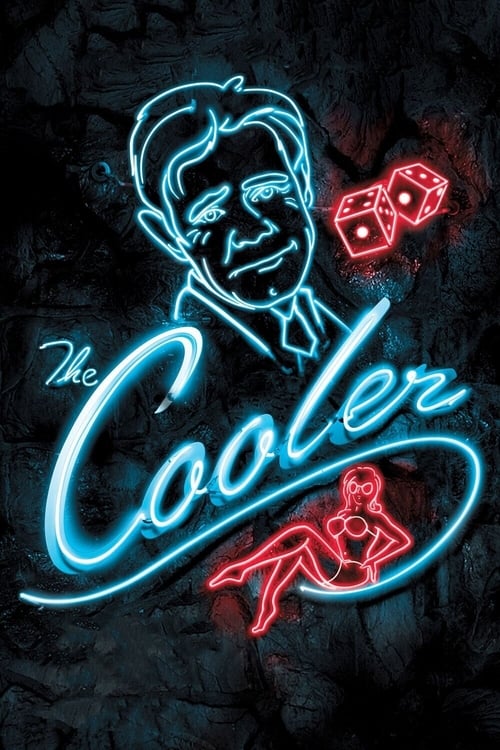
The Cooler
Bernie works at a Las Vegas casino, where he uses his innate ability to bring about misfortune in those around him to jinx gamblers into losing. His imposing boss, Shelly Kaplow, is happy with the arrangement. But Bernie finds unexpected happiness when he begins dating attractive waitress Natalie Belisario.
Despite its tight budget of $4.0M, The Cooler became a solid performer, earning $10.4M worldwide—a 160% return.
Nominated for 1 Oscar. 9 wins & 26 nominations


Plot Structure
Story beats plotted across runtime


Narrative Arc
Emotional journey through the story's key moments
Story Circle
Blueprint 15-beat structure
Arcplot Score Breakdown
Weighted: Precision (70%) + Arc (15%) + Theme (15%)
The Cooler (2003) exemplifies carefully calibrated dramatic framework, characteristic of Wayne Kramer's storytelling approach. This structural analysis examines how the film's 15-point plot structure maps to proven narrative frameworks across 1 hour and 41 minutes. With an Arcplot score of 7.2, the film balances conventional beats with creative variation.
Characters
Cast & narrative archetypes

Bernie Lootz
Shelly Kaplow
Natalie Belisario
Larry Sokolov
Main Cast & Characters
Bernie Lootz
Played by William H. Macy
A professional "cooler" whose bad luck breaks winning streaks, working off a debt to the casino boss who once saved his life.
Shelly Kaplow
Played by Alec Baldwin
Old-school casino boss who runs the Shangri-La with intimidation and violence, resisting modernization.
Natalie Belisario
Played by Maria Bello
A cocktail waitress who falls in love with Bernie, transforming his luck and life.
Larry Sokolov
Played by Ron Livingston
Ambitious casino executive who wants to modernize the Shangri-La and remove Shelly from power.
Structural Analysis
The Status Quo at 1 minutes (1% through the runtime) establishes Bernie Lootz walks through the Shangri-La casino as a 'cooler' - his mere presence breaks gamblers' winning streaks. He's a broken man trapped in a cycle of bad luck, narrating his miserable existence.. Structural examination shows that this early placement immediately immerses viewers in the story world.
The inciting incident occurs at 12 minutes when Bernie meets Natalie, a cocktail waitress, who shows genuine interest in him. For the first time in years, someone sees him as worthy of attention and kindness.. At 12% through the film, this Disruption aligns precisely with traditional story structure. This beat shifts the emotional landscape, launching the protagonist into the central conflict.
The First Threshold at 24 minutes marks the transition into Act II, occurring at 24% of the runtime. This indicates the protagonist's commitment to Bernie chooses to pursue a relationship with Natalie, sleeping with her and opening himself to love. This active choice to embrace connection launches him into a new world of possibility., moving from reaction to action.
At 51 minutes, the Midpoint arrives at 51% of the runtime—precisely centered, creating perfect narrative symmetry. Notably, this crucial beat False defeat: Shelly discovers Bernie's luck has changed and the casino is losing money. He confronts Bernie, demanding he end the relationship. The stakes raise dramatically - Bernie must choose between love and safety., fundamentally raising what's at risk. The emotional intensity shifts, dividing the narrative into clear before-and-after phases.
The Collapse moment at 74 minutes (74% through) represents the emotional nadir. Here, Bernie learns the truth about Natalie's initial arrangement with Shelly. His worst fears confirmed - the relationship was a setup. His belief in love and his own worthiness dies. He returns to Shelly, broken., demonstrates the protagonist at their lowest point. This beat's placement in the final quarter sets up the climactic reversal.
The Second Threshold at 81 minutes initiates the final act resolution at 80% of the runtime. Bernie realizes Natalie's love is genuine - she quit working for Shelly and chose him freely. He synthesizes his old survival instincts with his newfound belief in love. He decides to escape Vegas with Natalie., demonstrating the transformation achieved throughout the journey.
Emotional Journey
The Cooler's emotional architecture traces a deliberate progression across 15 carefully calibrated beats.
Narrative Framework
This structural analysis employs a 15-point narrative structure framework that maps key story moments. By mapping The Cooler against these established plot points, we can identify how Wayne Kramer utilizes or subverts traditional narrative conventions. The plot point approach reveals not only adherence to structural principles but also creative choices that distinguish The Cooler within the romance genre.
Wayne Kramer's Structural Approach
Among the 2 Wayne Kramer films analyzed on Arcplot, the average structural score is 7.3, reflecting strong command of classical structure. The Cooler takes a more unconventional approach compared to the director's typical style. For comparative analysis, explore the complete Wayne Kramer filmography.
Comparative Analysis
Additional romance films include South Pacific, Dirty Dancing: Havana Nights and The Evening Star. For more Wayne Kramer analyses, see Running Scared.
Plot Points by Act
Act I
SetupStatus Quo
Bernie Lootz walks through the Shangri-La casino as a 'cooler' - his mere presence breaks gamblers' winning streaks. He's a broken man trapped in a cycle of bad luck, narrating his miserable existence.
Theme
Shelly Kaplow tells Bernie: "You make your own luck." The central thematic question is posed - do we control our destiny or are we victims of fate?
Worldbuilding
Establishment of Bernie's world: his loveless life, his debt to Shelly, the old-school Shangri-La casino resisting modernization, and Bernie's dream of leaving Vegas in one week once his debt is paid.
Disruption
Bernie meets Natalie, a cocktail waitress, who shows genuine interest in him. For the first time in years, someone sees him as worthy of attention and kindness.
Resistance
Bernie is cautious about Natalie's interest, debating whether to open his heart. Shelly pressures Bernie to stay longer at the casino. Bernie resists change, protecting himself from hope and disappointment.
Act II
ConfrontationFirst Threshold
Bernie chooses to pursue a relationship with Natalie, sleeping with her and opening himself to love. This active choice to embrace connection launches him into a new world of possibility.
Mirror World
Bernie and Natalie's relationship deepens. She represents the thematic counterpoint to his belief in his own bad luck - she believes in love, agency, and the possibility of happiness.
Premise
The promise of the premise: Bernie in love transforms his luck. He becomes "hot" instead of cold - his presence now makes gamblers win. Bernie experiences joy, intimacy, and hope while his cooling powers fade.
Midpoint
False defeat: Shelly discovers Bernie's luck has changed and the casino is losing money. He confronts Bernie, demanding he end the relationship. The stakes raise dramatically - Bernie must choose between love and safety.
Opposition
Shelly manipulates events to destroy Bernie's happiness. Bernie discovers Shelly orchestrated his son's leg-breaking years ago. The revelation that Natalie was initially paid by Shelly to seduce Bernie threatens to destroy everything.
Collapse
Bernie learns the truth about Natalie's initial arrangement with Shelly. His worst fears confirmed - the relationship was a setup. His belief in love and his own worthiness dies. He returns to Shelly, broken.
Crisis
Bernie processes his devastation in darkness. Natalie pursues him, insisting her love became real. Bernie must decide whether to believe in love despite the deception, whether to choose agency over victimhood.
Act III
ResolutionSecond Threshold
Bernie realizes Natalie's love is genuine - she quit working for Shelly and chose him freely. He synthesizes his old survival instincts with his newfound belief in love. He decides to escape Vegas with Natalie.
Synthesis
Bernie and Natalie attempt to flee. Shelly confronts them violently at the airport. In the climactic confrontation, Shelly shoots Bernie but is himself killed. Bernie survives, choosing life and love over fear.
Transformation
Final image mirrors the opening: Bernie walks through a space, but now he's at a sunny beach cafe with Natalie, pregnant with their child. He's transformed from unlucky victim to empowered, hopeful man who makes his own luck.