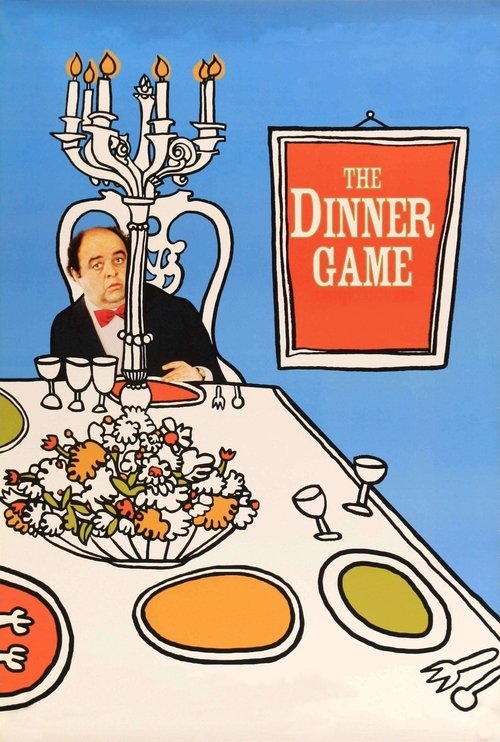
The Dinner Game
For Pierre Brochant and his friends, Wednesday is “Idiots' Day”. The idea is simple: each person has to bring along an idiot. The one who brings the most spectacular idiot wins the prize. Tonight, Brochant is ecstatic. He has found a gem. The ultimate idiot, “A world champion idiot!”. What Brochant doesn’t know is that Pignon is a real jinx, a past master in the art of bringing on catastrophes...
Despite its small-scale budget of $12.5M, The Dinner Game became a runaway success, earning $78.6M worldwide—a remarkable 529% return. The film's compelling narrative found its audience, proving that strong storytelling can transcend budget limitations.
5 wins & 4 nominations


Plot Structure
Story beats plotted across runtime


Narrative Arc
Emotional journey through the story's key moments
Story Circle
Blueprint 15-beat structure
Arcplot Score Breakdown
Weighted: Precision (70%) + Arc (15%) + Theme (15%)
The Dinner Game (1998) demonstrates precise narrative architecture, characteristic of Francis Veber's storytelling approach. This structural analysis examines how the film's 15-point plot structure maps to proven narrative frameworks across 1 hour and 20 minutes. With an Arcplot score of 7.2, the film balances conventional beats with creative variation.
Characters
Cast & narrative archetypes

Pierre Brochant
François Pignon
Christine Brochant
Juste Leblanc
Lucien Cheval
Marlène Sasseur
Main Cast & Characters
Pierre Brochant
Played by Thierry Lhermitte
A wealthy publisher who participates in cruel dinner parties mocking "idiots," only to have his scheme backfire spectacularly when he injures his back.
François Pignon
Played by Jacques Villeret
A naive tax inspector who builds elaborate matchstick models, unwittingly causing chaos while trying to help Pierre.
Christine Brochant
Played by Alexandra Vandernoot
Pierre's estranged wife who has left him, becoming a catalyst for the evening's complications.
Juste Leblanc
Played by Francis Huster
Pignon's obsessive, paranoid friend who believes his wife is having affairs and crashes into Pierre's apartment.
Lucien Cheval
Played by Daniel Prévost
Pierre's tax auditor whom Pignon accidentally summons, creating another layer of trouble for Pierre.
Marlène Sasseur
Played by Catherine Frot
Leblanc's wife and a model, who becomes entangled in the evening's misunderstandings.
Structural Analysis
The Status Quo at 1 minutes (1% through the runtime) establishes Pierre Brochant, a wealthy publisher, plays tennis and discusses the weekly "idiot dinner" with friends—a cruel game where each participant brings the biggest fool they can find to mock.. Significantly, this early placement immediately immerses viewers in the story world.
The inciting incident occurs at 9 minutes when Pierre throws out his back while practicing his golf swing, rendering him unable to attend the dinner. This injury will trap him with Pignon for the entire evening—the universe's first revenge.. At 12% through the film, this Disruption aligns precisely with traditional story structure. This beat shifts the emotional landscape, launching the protagonist into the central conflict.
The First Threshold at 20 minutes marks the transition into Act II, occurring at 25% of the runtime. This demonstrates the protagonist's commitment to Pierre chooses to accept Pignon's help in calling his wife Christine. This decision to use the "idiot" for his own purposes launches Pierre into a nightmare world where everything Pignon touches turns to disaster., moving from reaction to action.
At 38 minutes, the Midpoint arrives at 48% of the runtime—precisely centered, creating perfect narrative symmetry. Of particular interest, this crucial beat Marlene arrives at the apartment, escalating the crisis. Pierre realizes his carefully controlled life is spinning completely out of control. The false defeat: what was annoying is now dangerous to his marriage., fundamentally raising what's at risk. The emotional intensity shifts, dividing the narrative into clear before-and-after phases.
The Collapse moment at 58 minutes (73% through) represents the emotional nadir. Here, Pierre's marriage appears to die: Christine, believing Pierre is with Marlene, tells him their marriage is over. Pierre's cruelty has cost him everything. His arrogance and mean-spirited game have destroyed his life., shows the protagonist at their lowest point. This beat's placement in the final quarter sets up the climactic reversal.
The Second Threshold at 63 minutes initiates the final act resolution at 79% of the runtime. Pierre realizes Pignon knows where Christine is (she's with her publisher, whose address Pignon recognizes). The "idiot" holds the key to Pierre's salvation. Pierre must genuinely ask for help, not manipulate., demonstrating the transformation achieved throughout the journey.
Emotional Journey
The Dinner Game's emotional architecture traces a deliberate progression across 15 carefully calibrated beats.
Narrative Framework
This structural analysis employs a 15-point narrative structure framework that maps key story moments. By mapping The Dinner Game against these established plot points, we can identify how Francis Veber utilizes or subverts traditional narrative conventions. The plot point approach reveals not only adherence to structural principles but also creative choices that distinguish The Dinner Game within the comedy genre.
Francis Veber's Structural Approach
Among the 3 Francis Veber films analyzed on Arcplot, the average structural score is 7.1, reflecting strong command of classical structure. The Dinner Game represents one of the director's most structurally precise works. For comparative analysis, explore the complete Francis Veber filmography.
Comparative Analysis
Additional comedy films include The Bad Guys, Ella Enchanted and The Evening Star. For more Francis Veber analyses, see The Valet, Three Fugitives.
Plot Points by Act
Act I
SetupStatus Quo
Pierre Brochant, a wealthy publisher, plays tennis and discusses the weekly "idiot dinner" with friends—a cruel game where each participant brings the biggest fool they can find to mock.
Theme
Pierre's friend warns him about karma: "You're playing a dangerous game." The theme of cruelty backfiring is established—those who mock others may find themselves mocked by fate.
Worldbuilding
Pierre's elegant life is established: expensive apartment, beautiful wife Christine, arrogant confidence. He meets François Pignon, a tax inspector who builds matchstick models, and recognizes him as the perfect "idiot" for dinner.
Disruption
Pierre throws out his back while practicing his golf swing, rendering him unable to attend the dinner. This injury will trap him with Pignon for the entire evening—the universe's first revenge.
Resistance
Pignon arrives for the dinner, unaware it's cancelled. Pierre, stuck on his couch, tries to get rid of him but Pignon insists on helping. Pignon accidentally reveals Pierre's wife has left, having found the dinner invitation. Pierre debates whether to involve Pignon further.
Act II
ConfrontationFirst Threshold
Pierre chooses to accept Pignon's help in calling his wife Christine. This decision to use the "idiot" for his own purposes launches Pierre into a nightmare world where everything Pignon touches turns to disaster.
Mirror World
Pignon represents everything Pierre despises: simplicity, sincerity, lack of sophistication. Yet Pignon's genuine kindness and desire to help creates a thematic mirror—who is really the fool?
Premise
The comedic premise unfolds: Pignon's well-intentioned "help" creates escalating chaos. He calls the wrong number, summons Pierre's obsessive ex-mistress Marlene, accidentally gives her Pierre's address, and consistently misunderstands every situation while remaining obliviously cheerful.
Midpoint
Marlene arrives at the apartment, escalating the crisis. Pierre realizes his carefully controlled life is spinning completely out of control. The false defeat: what was annoying is now dangerous to his marriage.
Opposition
Chaos intensifies: Marlene threatens suicide, Christine calls during the worst moments, Pierre's friend Juste (a tax cheat) arrives and panics when he learns Pignon is a tax inspector, and every attempt Pierre makes to fix things only makes them worse. Pignon remains blissfully unaware of the destruction he causes.
Collapse
Pierre's marriage appears to die: Christine, believing Pierre is with Marlene, tells him their marriage is over. Pierre's cruelty has cost him everything. His arrogance and mean-spirited game have destroyed his life.
Crisis
In the dark aftermath, Pierre finally breaks down. For the first time, he's vulnerable and honest. Pignon, hurt by discovering the truth about the "idiot dinner," prepares to leave. Pierre faces the consequences of his cruelty.
Act III
ResolutionSecond Threshold
Pierre realizes Pignon knows where Christine is (she's with her publisher, whose address Pignon recognizes). The "idiot" holds the key to Pierre's salvation. Pierre must genuinely ask for help, not manipulate.
Synthesis
Pierre and Pignon work together as equals. They go to the publisher's apartment, confront Christine, and Pierre must face his own cruelty honestly. The finale resolves all threads: Marlene, Juste, and ultimately Christine, with Pignon's unexpected wisdom proving crucial.
Transformation
Final ironic twist: Pierre has learned nothing. After Pignon saves his marriage and leaves, Pierre immediately calls his friend to brag that Pignon is an even bigger idiot than he thought—proving Pierre is the true fool. Dark comedic transformation complete.