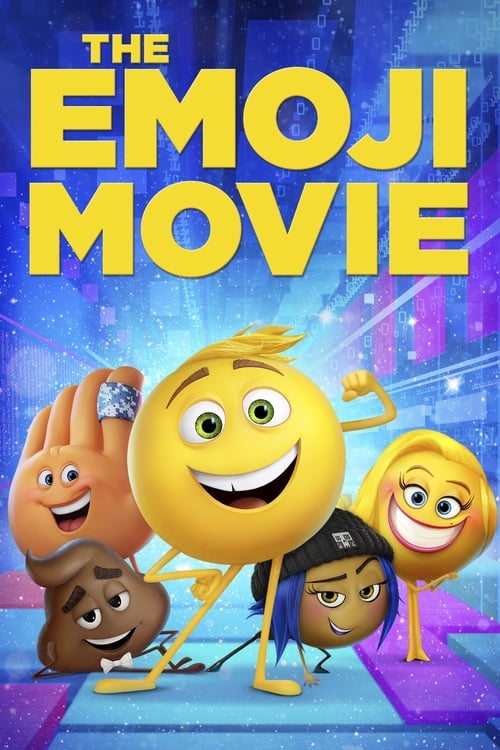
The Emoji Movie
Gene, a multi-expressional emoji, sets out on a journey to become a normal emoji.
Despite a moderate budget of $50.0M, The Emoji Movie became a solid performer, earning $216.9M worldwide—a 334% return.
6 wins & 4 nominations


Plot Structure
Story beats plotted across runtime


Narrative Arc
Emotional journey through the story's key moments
Story Circle
Blueprint 15-beat structure
Arcplot Score Breakdown
Weighted: Precision (70%) + Arc (15%) + Theme (15%)
The Emoji Movie (2017) showcases deliberately positioned dramatic framework, characteristic of Tony Leondis's storytelling approach. This structural analysis examines how the film's 15-point plot structure maps to proven narrative frameworks across 1 hour and 26 minutes. With an Arcplot score of 6.7, the film balances conventional beats with creative variation.
Characters
Cast & narrative archetypes

Gene
Hi-5
Jailbreak
Smiler
Mel Meh
Mary Meh
Poop
Main Cast & Characters
Gene
Played by T.J. Miller
A "meh" emoji who can express multiple emotions and embarks on a journey to become normal
Hi-5
Played by James Corden
A once-popular hand emoji now forgotten, desperate to regain his status on the favorites shelf
Jailbreak
Played by Anna Faris
A hacker emoji princess who rejects her role and seeks freedom in the cloud
Smiler
Played by Maya Rudolph
The authoritarian leader of Textopolis who maintains order and seeks to delete malfunctioning emojis
Mel Meh
Played by Steven Wright
Gene's father, a traditional "meh" emoji who struggles with his son's difference
Mary Meh
Played by Jennifer Coolidge
Gene's supportive mother who hides her own ability to express multiple emotions
Poop
Played by Patrick Stewart
A friendly and optimistic poop emoji who offers help and fatherly wisdom
Structural Analysis
The Status Quo at 1 minutes (1% through the runtime) establishes Gene is introduced as a 'meh' emoji living in Textopolis inside Alex's phone, but secretly struggles with expressing multiple emotions instead of just one like other emojis.. Notably, this early placement immediately immerses viewers in the story world.
The inciting incident occurs at 10 minutes when During his first day at work, Gene panics and makes the wrong face when scanned, sending a garbled emoji to Alex's crush Addie — causing chaos in Textopolis and marking Gene as a 'malfunction.. At 12% through the film, this Disruption aligns precisely with traditional story structure. This beat shifts the emotional landscape, launching the protagonist into the central conflict.
The First Threshold at 21 minutes marks the transition into Act II, occurring at 24% of the runtime. This shows the protagonist's commitment to Gene makes the active choice to venture beyond Textopolis into the phone's apps with Hi-5 to find Jailbreak, leaving his home and family behind to fix his 'malfunction., moving from reaction to action.
At 43 minutes, the Midpoint arrives at 50% of the runtime—precisely centered, creating perfect narrative symmetry. Of particular interest, this crucial beat The group reaches the Dropbox and gains access to the cloud — a false victory as they believe they've succeeded, but Alex has decided to erase his phone and Smiler's bots are closing in., fundamentally raising what's at risk. The emotional intensity shifts, dividing the narrative into clear before-and-after phases.
The Collapse moment at 64 minutes (74% through) represents the emotional nadir. Here, Gene is captured by the bots and brought before Smiler for deletion. Jailbreak escapes to the cloud without him, Hi-5 is trapped, and Alex begins the phone reset — everything Gene cared about seems lost., demonstrates the protagonist at their lowest point. This beat's placement in the final quarter sets up the climactic reversal.
The Second Threshold at 68 minutes initiates the final act resolution at 79% of the runtime. Gene realizes his ability to express multiple emotions isn't a malfunction — it's a gift. Jailbreak returns to help, and Gene decides to use his uniqueness to save everyone rather than hide it., demonstrating the transformation achieved throughout the journey.
Emotional Journey
The Emoji Movie's emotional architecture traces a deliberate progression across 15 carefully calibrated beats.
Narrative Framework
This structural analysis employs systematic plot point analysis that identifies crucial turning points. By mapping The Emoji Movie against these established plot points, we can identify how Tony Leondis utilizes or subverts traditional narrative conventions. The plot point approach reveals not only adherence to structural principles but also creative choices that distinguish The Emoji Movie within the animation genre.
Tony Leondis's Structural Approach
Among the 2 Tony Leondis films analyzed on Arcplot, the average structural score is 6.7, demonstrating varied approaches to story architecture. The Emoji Movie exemplifies the director's characteristic narrative technique. For comparative analysis, explore the complete Tony Leondis filmography.
Comparative Analysis
Additional animation films include The Bad Guys, Puss in Boots and Violet Evergarden: Eternity and the Auto Memory Doll. For more Tony Leondis analyses, see Igor.
Plot Points by Act
Act I
SetupStatus Quo
Gene is introduced as a 'meh' emoji living in Textopolis inside Alex's phone, but secretly struggles with expressing multiple emotions instead of just one like other emojis.
Theme
Gene's parents Mel and Mary warn him to suppress his emotions and 'just be meh' — articulating the film's central question about whether conformity or authenticity leads to acceptance.
Worldbuilding
The rules of Textopolis are established: emojis must make their one designated expression when scanned, the text center operates like a workplace, and Alex's phone is the entire universe for these characters.
Disruption
During his first day at work, Gene panics and makes the wrong face when scanned, sending a garbled emoji to Alex's crush Addie — causing chaos in Textopolis and marking Gene as a 'malfunction.
Resistance
Gene meets the once-popular Hi-5 who has fallen from the favorites bar. Smiler orders Gene deleted, forcing him to flee. Hi-5 suggests finding the legendary hacker Jailbreak who can reprogram Gene to be normal.
Act II
ConfrontationFirst Threshold
Gene makes the active choice to venture beyond Textopolis into the phone's apps with Hi-5 to find Jailbreak, leaving his home and family behind to fix his 'malfunction.
Mirror World
Gene and Hi-5 find Jailbreak in the Piracy app — a hacker emoji who dreams of escaping to the cloud. She represents freedom from conformity and embodies what Gene needs to learn: that being different is a strength.
Premise
The trio embarks on an adventure through various phone apps — Candy Crush, Just Dance, Spotify, and Instagram — each presenting obstacles while Smiler's bots pursue them relentlessly.
Midpoint
The group reaches the Dropbox and gains access to the cloud — a false victory as they believe they've succeeded, but Alex has decided to erase his phone and Smiler's bots are closing in.
Opposition
The stakes escalate dramatically: Smiler deploys more aggressive bots, Jailbreak is revealed to be a princess emoji who ran away, Alex schedules a phone wipe at the store, and Gene's parents search desperately for him.
Collapse
Gene is captured by the bots and brought before Smiler for deletion. Jailbreak escapes to the cloud without him, Hi-5 is trapped, and Alex begins the phone reset — everything Gene cared about seems lost.
Crisis
Facing deletion, Gene despairs that he truly is just a malfunction who ruined everything. His parents find him but the deletion process has begun, and Textopolis starts being erased around them.
Act III
ResolutionSecond Threshold
Gene realizes his ability to express multiple emotions isn't a malfunction — it's a gift. Jailbreak returns to help, and Gene decides to use his uniqueness to save everyone rather than hide it.
Synthesis
Gene rushes to the text center and sends Alex a multi-emotion expression that perfectly captures complex feelings. Alex sees the emoji, cancels the phone reset at the last second, and finally connects with Addie using genuine emotion.
Transformation
Textopolis celebrates Gene as a hero. All emojis are now free to express multiple emotions. Gene's parents embrace their own feelings, and Gene dances happily with Jailbreak — transformed from outcast to icon of authentic self-expression.