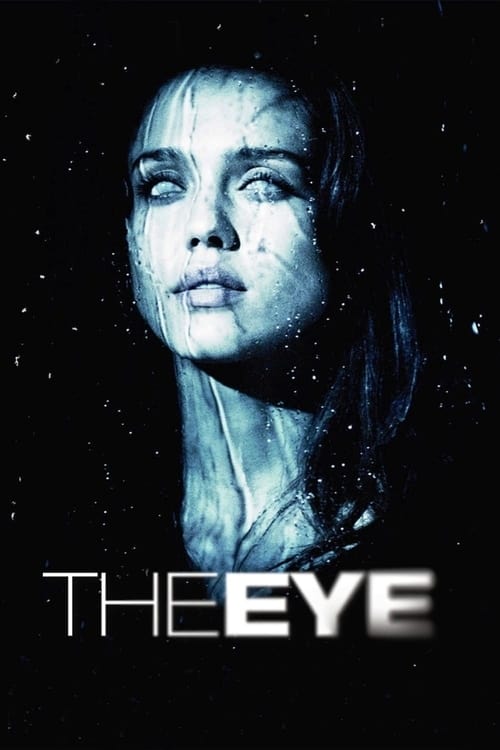
The Eye
Violinist Sydney Wells was accidentally blinded by her sister Helen when she was five years old. She submits to a cornea transplantation, and while recovering from the operation, she realizes that she is seeing dead people.
Despite its small-scale budget of $12.0M, The Eye became a box office success, earning $58.0M worldwide—a 383% return. The film's compelling narrative connected with viewers, showing that strong storytelling can transcend budget limitations.
2 wins & 4 nominations


Plot Structure
Story beats plotted across runtime


Narrative Arc
Emotional journey through the story's key moments
Story Circle
Blueprint 15-beat structure
Arcplot Score Breakdown
Weighted: Precision (70%) + Arc (15%) + Theme (15%)
The Eye (2008) exhibits strategically placed dramatic framework, characteristic of Xavier Palud's storytelling approach. This structural analysis examines how the film's 15-point plot structure maps to proven narrative frameworks across 1 hour and 38 minutes. With an Arcplot score of 7.0, the film balances conventional beats with creative variation.
Characters
Cast & narrative archetypes

Sydney Wells
Paul Faulkner
Helen Wells
Dr. Haskins
Ana Cristina Martinez
Main Cast & Characters
Sydney Wells
Played by Jessica Alba
A blind violinist who receives a cornea transplant and begins seeing disturbing supernatural visions from the donor's past.
Paul Faulkner
Played by Alessandro Nivola
A compassionate vision therapist who helps Sydney adjust to sight and believes her experiences are real.
Helen Wells
Played by Parker Posey
Sydney's protective and skeptical older sister who struggles to understand her supernatural visions.
Dr. Haskins
Played by Rade Šerbedžija
The surgeon who performed Sydney's transplant and dismisses her visions as medical side effects.
Ana Cristina Martinez
Played by Fernanda Romero
The deceased cornea donor whose traumatic memories and psychic abilities Sydney inherits through the transplant.
Structural Analysis
The Status Quo at 1 minutes (1% through the runtime) establishes Sydney Wells, blind since age five, performs violin with an orchestra, demonstrating her adapted life and musical gift despite her disability.. Significantly, this early placement immediately immerses viewers in the story world.
The inciting incident occurs at 12 minutes when After bandages are removed, Sydney's new vision brings terrifying supernatural apparitions - she sees shadowy figures and a ghostly woman in her hospital room, disrupting her expected joyful recovery.. At 12% through the film, this Disruption aligns precisely with traditional story structure. This beat shifts the emotional landscape, launching the protagonist into the central conflict.
The First Threshold at 25 minutes marks the transition into Act II, occurring at 25% of the runtime. This illustrates the protagonist's commitment to Sydney witnesses a vision of death in her apartment building - seeing a shadowy figure escort a neighbor's soul away - and realizes these aren't hallucinations but supernatural premonitions. She decides to investigate the source of her visions., moving from reaction to action.
At 49 minutes, the Midpoint arrives at 50% of the runtime—precisely centered, creating perfect narrative symmetry. Of particular interest, this crucial beat Sydney and Paul discover the cornea donor was Ana Christina Martinez, a young Mexican woman who could see death before it happened. Ana killed herself because no one believed her warnings. Sydney realizes she has inherited Ana's curse., fundamentally raising what's at risk. The emotional intensity shifts, dividing the narrative into clear before-and-after phases.
The Collapse moment at 74 minutes (75% through) represents the emotional nadir. Here, Sydney has a devastating vision of a massive explosion killing many people. She realizes Ana's unfinished business - the disaster Ana foresaw but couldn't prevent - is now Sydney's burden. The weight of impending mass death crushes her., shows the protagonist at their lowest point. This beat's placement in the final quarter sets up the climactic reversal.
The Second Threshold at 78 minutes initiates the final act resolution at 80% of the runtime. Sydney recognizes the location from her vision - a border crossing between Mexico and the US. Unlike Ana, she chooses to act, racing to the scene to try to prevent the tragedy and complete what Ana couldn't., demonstrating the transformation achieved throughout the journey.
Emotional Journey
The Eye's emotional architecture traces a deliberate progression across 15 carefully calibrated beats.
Narrative Framework
This structural analysis employs systematic plot point analysis that identifies crucial turning points. By mapping The Eye against these established plot points, we can identify how Xavier Palud utilizes or subverts traditional narrative conventions. The plot point approach reveals not only adherence to structural principles but also creative choices that distinguish The Eye within the drama genre.
Comparative Analysis
Additional drama films include After Thomas, South Pacific and Dirty Dancing: Havana Nights.
Plot Points by Act
Act I
SetupStatus Quo
Sydney Wells, blind since age five, performs violin with an orchestra, demonstrating her adapted life and musical gift despite her disability.
Theme
Sydney's sister Helen tells her before the surgery that seeing will change everything, but warns that "sometimes what we see isn't what we expect" - foreshadowing the supernatural visions to come.
Worldbuilding
Sydney prepares for and undergoes her corneal transplant surgery. We meet her supportive sister Helen, learn about Sydney's blindness since childhood, and see her hopeful anticipation of finally being able to see.
Disruption
After bandages are removed, Sydney's new vision brings terrifying supernatural apparitions - she sees shadowy figures and a ghostly woman in her hospital room, disrupting her expected joyful recovery.
Resistance
Sydney struggles to adapt to her new sight while experiencing increasingly disturbing visions. She meets Dr. Paul Faulkner, who initially attributes her experiences to "cellular memory" and psychological adjustment issues.
Act II
ConfrontationFirst Threshold
Sydney witnesses a vision of death in her apartment building - seeing a shadowy figure escort a neighbor's soul away - and realizes these aren't hallucinations but supernatural premonitions. She decides to investigate the source of her visions.
Mirror World
Dr. Paul Faulkner agrees to help Sydney investigate her visions, moving beyond the clinical into the personal. Their growing connection represents Sydney's need for someone who believes her and helps her accept her gift.
Premise
Sydney and Paul investigate her supernatural abilities. She experiences more death visions, sees herself as someone else in mirrors, and discovers her corneas came from a donor in Mexico. They begin tracking down the donor's identity.
Midpoint
Sydney and Paul discover the cornea donor was Ana Christina Martinez, a young Mexican woman who could see death before it happened. Ana killed herself because no one believed her warnings. Sydney realizes she has inherited Ana's curse.
Opposition
Sydney travels to Mexico with Paul to learn about Ana's life and death. She discovers Ana was tormented by villagers who blamed her for deaths she tried to prevent. Sydney's visions intensify, and she struggles with whether to embrace or reject her inherited ability.
Collapse
Sydney has a devastating vision of a massive explosion killing many people. She realizes Ana's unfinished business - the disaster Ana foresaw but couldn't prevent - is now Sydney's burden. The weight of impending mass death crushes her.
Crisis
Sydney grapples with the horrifying knowledge of the coming disaster. She questions whether she can change fate or if she's doomed to fail like Ana. The emotional weight of inherited trauma and responsibility threatens to overwhelm her.
Act III
ResolutionSecond Threshold
Sydney recognizes the location from her vision - a border crossing between Mexico and the US. Unlike Ana, she chooses to act, racing to the scene to try to prevent the tragedy and complete what Ana couldn't.
Synthesis
Sydney arrives at the border crossing and desperately tries to warn people about the impending explosion. Despite resistance and disbelief, she manages to save some lives. A tanker truck explodes, and Sydney is caught in the blast, losing her sight again from the trauma.
Transformation
Sydney, now blind again, is at peace. She saved lives and completed Ana's mission. Paul visits her, and she says she finally understands what it means to truly see - it's not about physical sight but about faith, connection, and choosing to help others.