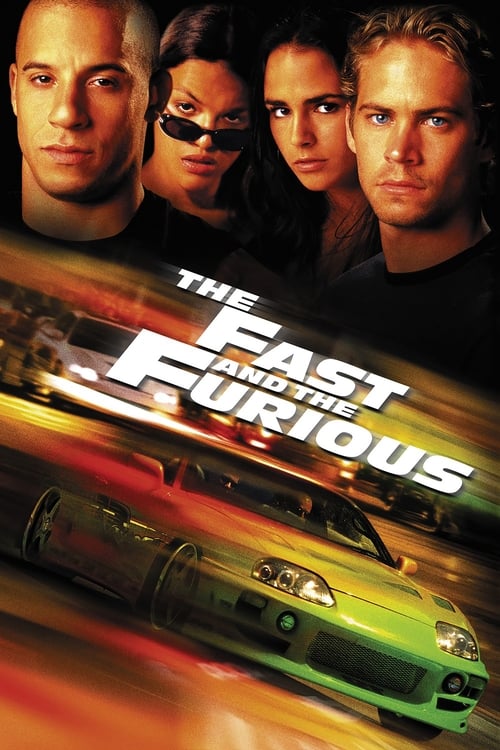
The Fast and the Furious
Dominic Toretto is a Los Angeles street racer suspected of masterminding a series of big-rig hijackings. When undercover cop Brian O'Conner infiltrates Toretto's iconoclastic crew, he falls for Toretto's sister and must choose a side: the gang or the LAPD.
Despite a respectable budget of $38.0M, The Fast and the Furious became a box office success, earning $207.3M worldwide—a 445% return.
11 wins & 18 nominations


Plot Structure
Story beats plotted across runtime


Narrative Arc
Emotional journey through the story's key moments
Story Circle
Blueprint 15-beat structure
Arcplot Score Breakdown
Weighted: Precision (70%) + Arc (15%) + Theme (15%)
The Fast and the Furious (2001) exhibits meticulously timed dramatic framework, characteristic of Rob Cohen's storytelling approach. This structural analysis examines how the film's 15-point plot structure maps to proven narrative frameworks across 1 hour and 46 minutes. With an Arcplot score of 7.3, the film balances conventional beats with creative variation.
Characters
Cast & narrative archetypes

Brian O'Conner
Dominic Toretto
Mia Toretto
Letty Ortiz
Vince
Jesse
Leon
Main Cast & Characters
Brian O'Conner
Played by Paul Walker
An undercover LAPD officer who infiltrates the street racing world to investigate truck hijackings.
Dominic Toretto
Played by Vin Diesel
A skilled street racer and mechanic who leads a tight-knit crew while hiding a criminal operation.
Mia Toretto
Played by Jordana Brewster
Dom's younger sister who works at the Toretto store and becomes Brian's love interest.
Letty Ortiz
Played by Michelle Rodriguez
Dom's girlfriend and a fierce street racer who is fiercely loyal to the crew.
Vince
Played by Matt Schulze
Dom's childhood friend and crew member who is suspicious and protective of the family.
Jesse
Played by Chad Lindberg
The crew's tech expert and engineer, brilliant but impulsive and insecure.
Leon
Played by Johnny Strong
A loyal member of Dom's crew and skilled racer.
Structural Analysis
The Status Quo at 1 minutes (1% through the runtime) establishes Brian O'Conner arrives at Toretto's Market, establishing his undercover role infiltrating the street racing world. He's an outsider looking in, trying to prove himself.. Structural examination shows that this early placement immediately immerses viewers in the story world.
The inciting incident occurs at 12 minutes when Brian's Eclipse is destroyed in the race against Dom. He loses everything and is publicly humiliated, but this catalyzes Dom saving him from an angry crowd.. At 12% through the film, this Disruption aligns precisely with traditional story structure. This beat shifts the emotional landscape, launching the protagonist into the central conflict.
The First Threshold at 26 minutes marks the transition into Act II, occurring at 25% of the runtime. This indicates the protagonist's commitment to Brian actively chooses to join Dom's crew for real, racing his Supra and winning their respect. He commits to the world he's supposed to be investigating., moving from reaction to action.
At 52 minutes, the Midpoint arrives at 49% of the runtime—precisely centered, creating perfect narrative symmetry. The analysis reveals that this crucial beat The botched truck heist where Jesse panics and a driver is nearly killed. Brian realizes Dom's crew ARE the hijackers. Stakes raise - his investigation targets the people who have become his family., fundamentally raising what's at risk. The emotional intensity shifts, dividing the narrative into clear before-and-after phases.
The Collapse moment at 78 minutes (74% through) represents the emotional nadir. Here, Jesse is killed by Tran in a drive-by shooting. Death comes to the family. Dom's world and Brian's deception both fall apart simultaneously as the truth emerges., indicates the protagonist at their lowest point. This beat's placement in the final quarter sets up the climactic reversal.
The Second Threshold at 84 minutes initiates the final act resolution at 79% of the runtime. Brian reveals his true identity to Dom but chooses loyalty over duty. He synthesizes cop skills with racer heart - he'll help Dom escape rather than arrest him., demonstrating the transformation achieved throughout the journey.
Emotional Journey
The Fast and the Furious's emotional architecture traces a deliberate progression across 15 carefully calibrated beats.
Narrative Framework
This structural analysis employs systematic plot point analysis that identifies crucial turning points. By mapping The Fast and the Furious against these established plot points, we can identify how Rob Cohen utilizes or subverts traditional narrative conventions. The plot point approach reveals not only adherence to structural principles but also creative choices that distinguish The Fast and the Furious within the action genre.
Rob Cohen's Structural Approach
Among the 11 Rob Cohen films analyzed on Arcplot, the average structural score is 7.2, reflecting strong command of classical structure. The Fast and the Furious represents one of the director's most structurally precise works. For comparative analysis, explore the complete Rob Cohen filmography.
Comparative Analysis
Additional action films include The Bad Guys, Puss in Boots and Venom: The Last Dance. For more Rob Cohen analyses, see The Hurricane Heist, Daylight and Stealth.
Plot Points by Act
Act I
SetupStatus Quo
Brian O'Conner arrives at Toretto's Market, establishing his undercover role infiltrating the street racing world. He's an outsider looking in, trying to prove himself.
Theme
Dom tells Brian: "It doesn't matter if you win by an inch or a mile, winning's winning." Theme of loyalty, family, and living life a quarter mile at a time is introduced.
Worldbuilding
Introduction to the underground street racing culture, Dom's crew (Letty, Vince, Leon, Jesse), the FBI investigation into truck hijackings, and Brian's dual identity as cop and racer.
Disruption
Brian's Eclipse is destroyed in the race against Dom. He loses everything and is publicly humiliated, but this catalyzes Dom saving him from an angry crowd.
Resistance
Brian debates his loyalty between duty and belonging. He works at the garage, gets closer to Dom's crew, learns about family loyalty. FBI pressures him for results. Develops his Supra.
Act II
ConfrontationFirst Threshold
Brian actively chooses to join Dom's crew for real, racing his Supra and winning their respect. He commits to the world he's supposed to be investigating.
Mirror World
Brian and Mia begin their romantic relationship. She represents the theme of family and belonging, teaching him what matters beyond duty and rules.
Premise
The fun of being part of the crew: street races, garage work, parties, and bonding with Dom's family. Brian experiences the life he came to infiltrate and begins to love it.
Midpoint
The botched truck heist where Jesse panics and a driver is nearly killed. Brian realizes Dom's crew ARE the hijackers. Stakes raise - his investigation targets the people who have become his family.
Opposition
Pressure mounts from all sides: FBI demands arrests, Tran's crew escalates violence, Dom suspects a traitor, Brian's lies compound, and the final heist is planned. Brian tries to protect Dom while maintaining his cover.
Collapse
Jesse is killed by Tran in a drive-by shooting. Death comes to the family. Dom's world and Brian's deception both fall apart simultaneously as the truth emerges.
Crisis
Dom pursues and kills Tran in revenge. Brian aids him, fully abandoning his duty as a cop. He must now face the consequences of choosing family over badge.
Act III
ResolutionSecond Threshold
Brian reveals his true identity to Dom but chooses loyalty over duty. He synthesizes cop skills with racer heart - he'll help Dom escape rather than arrest him.
Synthesis
The final truck heist attempt and subsequent chase. Brian helps Dom evade police. Final race between Brian and Dom settles everything - a test of who they've become.
Transformation
Brian tosses Dom his car keys, letting him escape. The cop who lived by rules now lives by loyalty and family. He chooses the person he wants to be over who he was.