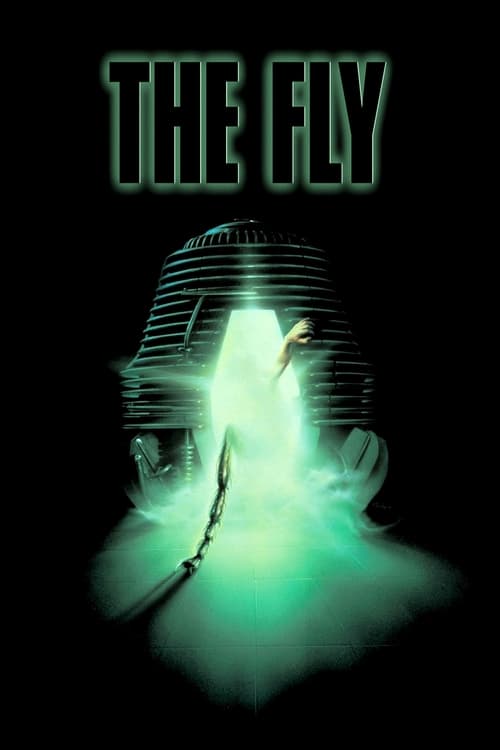
The Fly
When Seth Brundle makes a huge scientific and technological breakthrough in teleportation, he decides to test it on himself. Unbeknownst to him, a common housefly manages to get inside the device and the two become one.
Despite a moderate budget of $15.0M, The Fly became a solid performer, earning $60.6M worldwide—a 304% return.
1 Oscar. 7 wins & 10 nominations


Plot Structure
Story beats plotted across runtime


Narrative Arc
Emotional journey through the story's key moments
Story Circle
Blueprint 15-beat structure
Arcplot Score Breakdown
Weighted: Precision (70%) + Arc (15%) + Theme (15%)
The Fly (1986) exemplifies precise narrative design, characteristic of David Cronenberg's storytelling approach. This structural analysis examines how the film's 15-point plot structure maps to proven narrative frameworks across 1 hour and 36 minutes. With an Arcplot score of 7.1, the film balances conventional beats with creative variation.
Characters
Cast & narrative archetypes

Seth Brundle
Veronica Quaife
Stathis Borans
Main Cast & Characters
Seth Brundle
Played by Jeff Goldblum
A brilliant but eccentric scientist who invents a teleportation device and transforms into a human-fly hybrid after a failed experiment.
Veronica Quaife
Played by Geena Davis
A science journalist who documents Seth's work and becomes romantically involved with him, ultimately witnessing his horrific transformation.
Stathis Borans
Played by John Getz
Veronica's editor and ex-boyfriend who remains protective of her and becomes involved in the tragic aftermath of Seth's experiment.
Structural Analysis
The Status Quo at 1 minutes (1% through the runtime) establishes Seth Brundle, a brilliant but socially awkward scientist, meets journalist Veronica Quaife at a press event. He's isolated, obsessive, and lacks human connection despite his genius.. Notably, this early placement immediately immerses viewers in the story world.
The inciting incident occurs at 11 minutes when Brundle successfully teleports a second baboon intact and alive. The breakthrough works - living flesh can now be transported. This success opens the door to human teleportation and changes everything.. At 12% through the film, this Disruption aligns precisely with traditional story structure. This beat shifts the emotional landscape, launching the protagonist into the central conflict.
The First Threshold at 24 minutes marks the transition into Act II, occurring at 25% of the runtime. This demonstrates the protagonist's commitment to Drunk and jealous after seeing Veronica with Stathis, Brundle impetuously decides to teleport himself. He enters the telepod alone - unaware that a housefly has entered with him. He initiates the sequence, crossing the point of no return., moving from reaction to action.
At 49 minutes, the Midpoint arrives at 51% of the runtime—precisely centered, creating perfect narrative symmetry. The analysis reveals that this crucial beat Brundle realizes the horrible truth: "I'm saying... I'm saying I - I'm an insect who dreamt he was a man and loved it. But now the dream is over... And the insect is awake." He understands he's becoming Brundlefly - a fusion creature. The false victory of successful teleportation is revealed as ultimate defeat., fundamentally raising what's at risk. The emotional intensity shifts, dividing the narrative into clear before-and-after phases.
The Collapse moment at 71 minutes (74% through) represents the emotional nadir. Here, Brundle's last human remnants - his ears, remaining teeth, his entire human face - fall away, revealing the full insect underneath. Seth Brundle as a human being dies; only Brundlefly remains. "What am I? I'm saying... I'll hurt you if you stay."., shows the protagonist at their lowest point. This beat's placement in the final quarter sets up the climactic reversal.
The Second Threshold at 78 minutes initiates the final act resolution at 82% of the runtime. Stathis arrives with a shotgun. The final confrontation begins. Brundlefly drags Veronica to the telepods to execute his fusion plan - but a fragment of Seth's consciousness remains, setting up the final tragic choice., demonstrating the transformation achieved throughout the journey.
Emotional Journey
The Fly's emotional architecture traces a deliberate progression across 15 carefully calibrated beats.
Narrative Framework
This structural analysis employs systematic plot point analysis that identifies crucial turning points. By mapping The Fly against these established plot points, we can identify how David Cronenberg utilizes or subverts traditional narrative conventions. The plot point approach reveals not only adherence to structural principles but also creative choices that distinguish The Fly within the horror genre.
David Cronenberg's Structural Approach
Among the 12 David Cronenberg films analyzed on Arcplot, the average structural score is 7.1, reflecting strong command of classical structure. The Fly takes a more unconventional approach compared to the director's typical style. For comparative analysis, explore the complete David Cronenberg filmography.
Comparative Analysis
Additional horror films include Thinner, A Nightmare on Elm Street and Mary Reilly. For more David Cronenberg analyses, see The Brood, The Dead Zone and Eastern Promises.
Plot Points by Act
Act I
SetupStatus Quo
Seth Brundle, a brilliant but socially awkward scientist, meets journalist Veronica Quaife at a press event. He's isolated, obsessive, and lacks human connection despite his genius.
Theme
Brundle tells Veronica: "I'm saying I'm an insect who dreamt he was a man and loved it. But now the dream is over and the insect is awake." (Stated in reverse - the film opens with this thematic DNA about humanity vs. the primal self).
Worldbuilding
Brundle brings Veronica to his warehouse lab and reveals his telepods - devices that can teleport matter. He demonstrates with her stocking, then a baboon (which turns inside-out horrifically). We learn he can't teleport living flesh successfully yet. Veronica wants to document his work.
Disruption
Brundle successfully teleports a second baboon intact and alive. The breakthrough works - living flesh can now be transported. This success opens the door to human teleportation and changes everything.
Resistance
Brundle and Veronica begin a relationship as she documents his experiments. They grow intimate. Her editor/ex-boyfriend Stathis interferes. Brundle becomes more human through love, learning about the "flesh" - sensuality, connection, jealousy. He debates whether to teleport himself.
Act II
ConfrontationFirst Threshold
Drunk and jealous after seeing Veronica with Stathis, Brundle impetuously decides to teleport himself. He enters the telepod alone - unaware that a housefly has entered with him. He initiates the sequence, crossing the point of no return.
Mirror World
Brundle emerges from teleportation feeling incredible - stronger, more confident, sexually potent. Veronica becomes his mirror, representing pure humanity and love. Their deepening relationship will contrast with his coming transformation.
Premise
The "promise of the premise" - watching Brundle's transformation. He displays superhuman abilities: gymnastics, strength, sexual stamina. But disturbing changes emerge: coarse hairs, skin lesions, strange eating habits. Veronica grows concerned. Brundle becomes erratic, aggressive. He discovers via computer that the teleporter fused him with the fly at molecular-genetic level.
Midpoint
Brundle realizes the horrible truth: "I'm saying... I'm saying I - I'm an insect who dreamt he was a man and loved it. But now the dream is over... and the insect is awake." He understands he's becoming Brundlefly - a fusion creature. The false victory of successful teleportation is revealed as ultimate defeat.
Opposition
Brundle's transformation accelerates horrifically. Body parts fall off; he vomits corrosive enzymes to digest food externally. He becomes "Brundlefly" - more insect than human. He tries to accept it, then tries to reverse it. Veronica discovers she's pregnant with his child. Brundle's humanity slips away as the insect nature takes over. He kidnaps Veronica, planning to fuse himself with her and the unborn child.
Collapse
Brundle's last human remnants - his ears, remaining teeth, his entire human face - fall away, revealing the full insect underneath. Seth Brundle as a human being dies; only Brundlefly remains. "What am I? I'm saying... I'll hurt you if you stay."
Crisis
Brundlefly prepares his final desperate plan: to fuse himself with Veronica and their unborn child in the telepods, hoping to dilute the fly genes and become more human. Veronica and Stathis are trapped in the warehouse. The creature that was Seth acts on pure instinct now.
Act III
ResolutionSecond Threshold
Stathis arrives with a shotgun. The final confrontation begins. Brundlefly drags Veronica to the telepods to execute his fusion plan - but a fragment of Seth's consciousness remains, setting up the final tragic choice.
Synthesis
Brundlefly battles Stathis (dissolving his hand and foot with vomit-enzyme). Veronica escapes the telepod. Brundlefly enters alone, but the damaged telepod fuses him with its metal parts, creating a grotesque fly-human-machine hybrid. The last spark of Seth's humanity emerges: he takes Veronica's shotgun and places it to his own head, begging her to end his suffering.
Transformation
Veronica, weeping, shoots Brundlefly in the head, granting him the mercy of death. The final image: the creature's suffering ends. In contrast to the opening's brilliant, isolated scientist, we end with a merciful killing - love expressed through release. Transformation complete: from man to monster to memory.