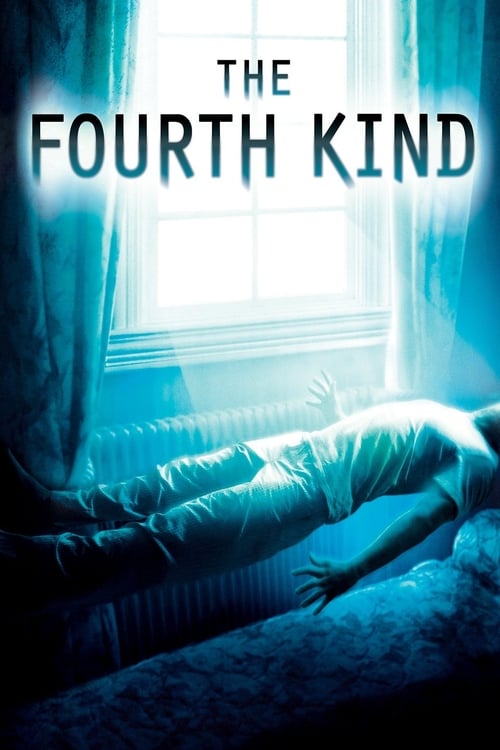
The Fourth Kind
Since the 1960s, a disproportionate number of the population in and around Nome, Alaska, have gone missing. Despite FBI investigations, the disappearances remain a mystery. Dr. Abigail Tyler, a psychologist, may be on the verge of blowing the unsolved cases wide open when, during the course of treating her patients, she finds evidence of alien abductions.
Despite its modest budget of $10.0M, The Fourth Kind became a solid performer, earning $47.7M worldwide—a 377% return. The film's unique voice attracted moviegoers, illustrating how strong storytelling can transcend budget limitations.


Plot Structure
Story beats plotted across runtime


Narrative Arc
Emotional journey through the story's key moments
Story Circle
Blueprint 15-beat structure
Arcplot Score Breakdown
Weighted: Precision (70%) + Arc (15%) + Theme (15%)
The Fourth Kind (2009) reveals deliberately positioned dramatic framework, characteristic of Olatunde Osunsanmi's storytelling approach. This structural analysis examines how the film's 15-point plot structure maps to proven narrative frameworks across 1 hour and 38 minutes. With an Arcplot score of 7.4, the film balances conventional beats with creative variation.
Characters
Cast & narrative archetypes

Dr. Abigail Tyler
Abel Campos
Sheriff August
Tommy Fisher
Ashley Tyler
Ronnie Tyler
Main Cast & Characters
Dr. Abigail Tyler
Played by Milla Jovovich
A psychologist in Nome, Alaska investigating mysterious disappearances through hypnotherapy sessions with traumatized patients.
Abel Campos
Played by Elias Koteas
A skeptical psychologist colleague who questions Dr. Tyler's methods and the validity of her alien abduction theories.
Sheriff August
Played by Will Patton
The local law enforcement official who suspects Dr. Tyler of malpractice and becomes increasingly adversarial.
Tommy Fisher
Played by Corey Johnson
One of Dr. Tyler's patients experiencing disturbing nightmares and memory gaps that lead to a violent incident.
Ashley Tyler
Played by Mia McKenna-Bruce
Dr. Tyler's teenage daughter who witnesses her mother's psychological deterioration and mysterious events.
Ronnie Tyler
Played by Raphael Coleman
Dr. Tyler's young son who goes missing under mysterious circumstances.
Structural Analysis
The Status Quo at 1 minutes (1% through the runtime) establishes Milla Jovovich breaks the fourth wall, introducing the "real" Dr. Abigail Tyler. We see Abbey as a respected psychologist in Nome, Alaska, working with patients experiencing sleep disorders and disturbing dreams.. Notably, this early placement immediately immerses viewers in the story world.
The inciting incident occurs at 12 minutes when Abbey decides to use hypnotic regression on her patients to explore their recurring nightmares. During the first session, patient Tommy Fisher becomes violently disturbed, screaming about non-human entities watching him.. At 12% through the film, this Disruption aligns precisely with traditional story structure. This beat shifts the emotional landscape, launching the protagonist into the central conflict.
The First Threshold at 25 minutes marks the transition into Act II, occurring at 26% of the runtime. This illustrates the protagonist's commitment to Despite the deadly consequences and warnings from authorities, Abbey chooses to undergo self-hypnosis to uncover her own repressed memories about her husband's death, believing the answers lie in the unconscious., moving from reaction to action.
At 48 minutes, the Midpoint arrives at 49% of the runtime—precisely centered, creating perfect narrative symmetry. Of particular interest, this crucial beat During Abbey's own regression, she remembers her husband's death was not murder—he was taken by alien entities. She also realizes her daughter Ashley witnessed everything. The stakes are now personal and the investigation shifts to saving her own family., fundamentally raising what's at risk. The emotional intensity shifts, dividing the narrative into clear before-and-after phases.
The Collapse moment at 72 minutes (73% through) represents the emotional nadir. Here, During a desperate hypnosis session at her home, alien entities attack. Ashley is abducted in front of Abbey and disappears. Abbey's son is paralyzed in the chaos. Abbey has lost everything—her credibility, her children, her sanity., shows the protagonist at their lowest point. This beat's placement in the final quarter sets up the climactic reversal.
The Second Threshold at 77 minutes initiates the final act resolution at 78% of the runtime. Abbey accepts she may never get Ashley back or prove what happened, but chooses to maintain her truth regardless of consequences. Dr. Campos reviews the evidence and realizes something unexplainable did occur, validating Abbey's experience., demonstrating the transformation achieved throughout the journey.
Emotional Journey
The Fourth Kind's emotional architecture traces a deliberate progression across 15 carefully calibrated beats.
Narrative Framework
This structural analysis employs structural analysis methodology used to understand storytelling architecture. By mapping The Fourth Kind against these established plot points, we can identify how Olatunde Osunsanmi utilizes or subverts traditional narrative conventions. The plot point approach reveals not only adherence to structural principles but also creative choices that distinguish The Fourth Kind within the mystery genre.
Comparative Analysis
Additional mystery films include Lone Star, The Wicker Man and A Soldier's Story.
Plot Points by Act
Act I
SetupStatus Quo
Milla Jovovich breaks the fourth wall, introducing the "real" Dr. Abigail Tyler. We see Abbey as a respected psychologist in Nome, Alaska, working with patients experiencing sleep disorders and disturbing dreams.
Theme
Abbey's colleague warns her: "Sometimes the truth is more terrifying than fiction." The film establishes its central question: What happens when we encounter something beyond rational explanation?
Worldbuilding
Establishment of Nome, Alaska as isolated town with mysterious disappearances. Abbey practices therapy, still grieving her husband's murder. Multiple patients describe seeing an owl watching them at night. Archive footage intercut with reenactments establish the documentary-style format.
Disruption
Abbey decides to use hypnotic regression on her patients to explore their recurring nightmares. During the first session, patient Tommy Fisher becomes violently disturbed, screaming about non-human entities watching him.
Resistance
Abbey consults with colleagues about the disturbing sessions. Tommy Fisher commits murder-suicide after his regression session. Abbey debates whether to continue hypnotherapy. Other patients show similar traumatic responses. FBI becomes involved.
Act II
ConfrontationFirst Threshold
Despite the deadly consequences and warnings from authorities, Abbey chooses to undergo self-hypnosis to uncover her own repressed memories about her husband's death, believing the answers lie in the unconscious.
Mirror World
Dr. Abel Campos, a psychologist from Anchorage, arrives as both skeptic and potential ally. He represents rationality versus Abbey's increasingly dangerous pursuit of truth, mirroring her need to accept vs. investigate.
Premise
The "fun and games" of alien abduction horror: multiple hypnosis sessions reveal terrifying encounters, ancient Sumerian language spoken by patients, increasingly disturbing "archive footage" of violent sessions, levitation, and non-human voices.
Midpoint
During Abbey's own regression, she remembers her husband's death was not murder—he was taken by alien entities. She also realizes her daughter Ashley witnessed everything. The stakes are now personal and the investigation shifts to saving her own family.
Opposition
Abbey becomes increasingly unstable and isolated. The FBI suspects her of harming her patients. Dr. Campos grows more skeptical. Ashley becomes withdrawn and terrified. Abbey's grip on reality weakens as she faces mounting evidence against her.
Collapse
During a desperate hypnosis session at her home, alien entities attack. Ashley is abducted in front of Abbey and disappears. Abbey's son is paralyzed in the chaos. Abbey has lost everything—her credibility, her children, her sanity.
Crisis
Abbey is institutionalized and accused of fabricating the alien encounters to cover up harming her own children. She faces the dark night of complete helplessness—her daughter is gone, authorities don't believe her, and she may be insane.
Act III
ResolutionSecond Threshold
Abbey accepts she may never get Ashley back or prove what happened, but chooses to maintain her truth regardless of consequences. Dr. Campos reviews the evidence and realizes something unexplainable did occur, validating Abbey's experience.
Synthesis
Present-day interviews with "real" Abbey show her physically damaged but spiritually unbroken. Ashley remains missing. Abbey goes public with her story despite ridicule. The finale interweaves confession, evidence presentation, and acceptance of unknowable truth.
Transformation
Final image mirrors opening: Milla Jovovich returns to address the camera. But where we began with a psychologist in control, we end with a broken mother who discovered truth at unbearable cost. The transformation is loss of innocence and acceptance of cosmic horror.