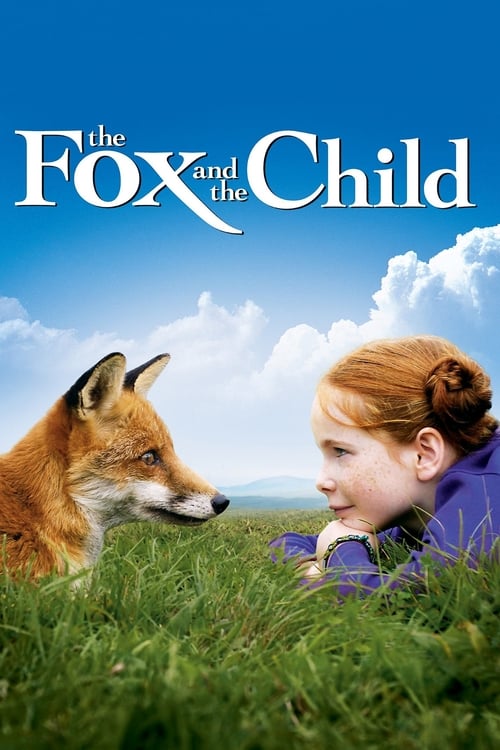
The Fox and the Child
A young girl of about 10 years lives in a solitary peasant's house on the edge of the jurassic mountains in the East of France. One day in autumn, when she is on her way to school through the forest, she observes a hunting fox. Of course, the fox flees from her, but the girl feels a strong desire to meet the fox again.
Despite its limited budget of $13.0M, The Fox and the Child became a solid performer, earning $29.6M worldwide—a 128% return.


Plot Structure
Story beats plotted across runtime


Narrative Arc
Emotional journey through the story's key moments
Story Circle
Blueprint 15-beat structure
Arcplot Score Breakdown
Weighted: Precision (70%) + Arc (15%) + Theme (15%)
The Fox and the Child (2007) demonstrates strategically placed story structure, characteristic of Luc Jacquet's storytelling approach. This structural analysis examines how the film's 15-point plot structure maps to proven narrative frameworks across 1 hour and 36 minutes. With an Arcplot score of 7.4, the film balances conventional beats with creative variation.
Characters
Cast & narrative archetypes

Lila
The Fox
The Narrator (Adult Lila)
Main Cast & Characters
Lila
Played by Bertille Noël-Bruneau
A curious 10-year-old girl who becomes obsessed with befriending a wild fox in the forest near her home.
The Fox
A wild red fox who gradually forms a bond with the girl, representing freedom and the untamed spirit of nature.
The Narrator (Adult Lila)
Played by Isabelle Carré
The adult voice reflecting on the childhood experience with wisdom and nostalgia.
Structural Analysis
The Status Quo at 1 minutes (1% through the runtime) establishes A young girl lives an ordinary life in the French countryside, unaware of the natural wonders around her. She is disconnected from nature, focused on typical childhood activities.. The analysis reveals that this early placement immediately immerses viewers in the story world.
The inciting incident occurs at 11 minutes when The girl first glimpses the fox in the forest. This magical encounter disrupts her ordinary perception and awakens her curiosity about the natural world.. At 11% through the film, this Disruption aligns precisely with traditional story structure. This beat shifts the emotional landscape, launching the protagonist into the central conflict.
The First Threshold at 23 minutes marks the transition into Act II, occurring at 24% of the runtime. This illustrates the protagonist's commitment to The girl makes the active choice to dedicate her time to finding and befriending the fox. She crosses into the fox's world, committing to return every day through winter and spring., moving from reaction to action.
At 47 minutes, the Midpoint arrives at 49% of the runtime—precisely centered, creating perfect narrative symmetry. Significantly, this crucial beat False victory: the fox finally approaches close enough to take food from the girl's hand. Their friendship seems achieved, but this apparent success masks the girl's growing possessiveness and misunderstanding of wild nature., fundamentally raising what's at risk. The emotional intensity shifts, dividing the narrative into clear before-and-after phases.
The Collapse moment at 72 minutes (75% through) represents the emotional nadir. Here, The girl tries to trap the fox in her room to keep it with her. The terrified fox desperately tries to escape, crashes through the window, and falls, severely injured. The girl's possessive love nearly kills what she cherishes most., reveals the protagonist at their lowest point. This beat's placement in the final quarter sets up the climactic reversal.
The Second Threshold at 77 minutes initiates the final act resolution at 80% of the runtime. The girl gains new understanding: she realizes that loving something wild means letting it be free, not possessing it. She synthesizes respect for nature with her love for the fox, understanding true friendship requires freedom., demonstrating the transformation achieved throughout the journey.
Emotional Journey
The Fox and the Child's emotional architecture traces a deliberate progression across 15 carefully calibrated beats.
Narrative Framework
This structural analysis employs structural analysis methodology used to understand storytelling architecture. By mapping The Fox and the Child against these established plot points, we can identify how Luc Jacquet utilizes or subverts traditional narrative conventions. The plot point approach reveals not only adherence to structural principles but also creative choices that distinguish The Fox and the Child within the adventure genre.
Comparative Analysis
Additional adventure films include The Black Stallion, The Bad Guys and Puss in Boots.
Plot Points by Act
Act I
SetupStatus Quo
A young girl lives an ordinary life in the French countryside, unaware of the natural wonders around her. She is disconnected from nature, focused on typical childhood activities.
Theme
The narrator (the girl as an adult) reflects: "I learned that you cannot possess wild things, only love them." This establishes the film's core theme about the relationship between humans and nature.
Worldbuilding
Introduction to the alpine forest setting, the girl's daily routine, her family life, and the ecosystem she will enter. The girl explores the woods near her home during autumn.
Disruption
The girl first glimpses the fox in the forest. This magical encounter disrupts her ordinary perception and awakens her curiosity about the natural world.
Resistance
The girl debates whether to pursue the fox, fears the forest, but keeps returning. She learns patience and observation, watching from a distance, not yet ready to fully commit to befriending the wild creature.
Act II
ConfrontationFirst Threshold
The girl makes the active choice to dedicate her time to finding and befriending the fox. She crosses into the fox's world, committing to return every day through winter and spring.
Mirror World
The fox becomes the mirror character representing wildness, freedom, and the natural order. Their developing relationship will teach the girl what she truly needs to learn about respect and boundaries.
Premise
The promise of the premise: the magical friendship between girl and fox. Beautiful sequences of the girl learning to track, observe, and slowly gain the fox's trust through patience and stillness across the seasons.
Midpoint
False victory: the fox finally approaches close enough to take food from the girl's hand. Their friendship seems achieved, but this apparent success masks the girl's growing possessiveness and misunderstanding of wild nature.
Opposition
The girl becomes increasingly possessive, wanting the fox to be "hers." She tries to control their meetings, becomes frustrated when the fox doesn't behave as she wishes. Her flawed understanding creates growing tension.
Collapse
The girl tries to trap the fox in her room to keep it with her. The terrified fox desperately tries to escape, crashes through the window, and falls, severely injured. The girl's possessive love nearly kills what she cherishes most.
Crisis
The girl is devastated by what she's done. She processes her guilt and grief, fearing the fox is dead or will never return. Her dark night of soul involves confronting her selfishness and the harm it caused.
Act III
ResolutionSecond Threshold
The girl gains new understanding: she realizes that loving something wild means letting it be free, not possessing it. She synthesizes respect for nature with her love for the fox, understanding true friendship requires freedom.
Synthesis
The girl returns to the forest with her new understanding. She searches for the fox one last time, not to capture but to know it survived. She observes nature with newfound respect and maturity.
Transformation
The girl sees the fox in the distance, alive and free with her cubs. She smiles and walks away without approaching, demonstrating her transformation. She has learned to love without possessing, to appreciate wild beauty from a respectful distance.