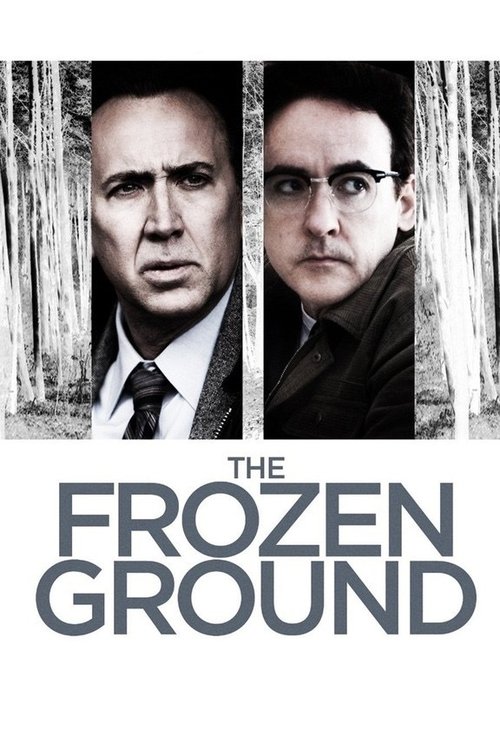
The Frozen Ground
An Alaska State Trooper partners with a young woman who escaped the clutches of serial killer Robert Hansen to bring the murderer to justice. Based on actual events.
The film commercial failure against its respectable budget of $27.2M, earning $5.5M globally (-80% loss). While initial box office returns were modest, the film has gained appreciation for its compelling narrative within the thriller genre.


Plot Structure
Story beats plotted across runtime


Narrative Arc
Emotional journey through the story's key moments
Story Circle
Blueprint 15-beat structure
Arcplot Score Breakdown
Weighted: Precision (70%) + Arc (15%) + Theme (15%)
The Frozen Ground (2013) showcases precise dramatic framework, characteristic of Scott Walker's storytelling approach. This structural analysis examines how the film's 15-point plot structure maps to proven narrative frameworks across 1 hour and 45 minutes. With an Arcplot score of 6.7, the film balances conventional beats with creative variation.
Characters
Cast & narrative archetypes

Jack Halcombe
Robert Hansen
Cindy Paulson
Allie Halcombe
Main Cast & Characters
Jack Halcombe
Played by Nicolas Cage
A dedicated Alaska State Trooper investigating a serial killer who targets young women in Anchorage.
Robert Hansen
Played by John Cusack
A seemingly respectable baker who is secretly a sadistic serial killer hunting women.
Cindy Paulson
Played by Vanessa Hudgens
A young prostitute who escapes from Hansen and becomes the key witness to bringing him to justice.
Allie Halcombe
Played by Radha Mitchell
Jack's supportive wife who worries about the toll the investigation takes on him.
Structural Analysis
The Status Quo at 1 minutes (1% through the runtime) establishes Cindy Paulson, a young sex worker, is chained and tortured in a basement by Robert Hansen, establishing her desperate situation and his predatory nature before she escapes into the frozen Alaskan night.. Of particular interest, this early placement immediately immerses viewers in the story world.
The inciting incident occurs at 13 minutes when Cindy escapes from Hansen and reports her kidnapping and assault to police, but her story is dismissed due to her criminal record and drug use. Halcombe learns about the case and multiple missing women.. At 12% through the film, this Disruption aligns precisely with traditional story structure. This beat shifts the emotional landscape, launching the protagonist into the central conflict.
The First Threshold at 27 minutes marks the transition into Act II, occurring at 26% of the runtime. This reveals the protagonist's commitment to Halcombe makes the active choice to postpone his retirement and fully commit to the investigation, believing Cindy's story and determined to catch the killer despite institutional indifference., moving from reaction to action.
At 53 minutes, the Midpoint arrives at 50% of the runtime—precisely centered, creating perfect narrative symmetry. Significantly, this crucial beat False defeat: Hansen becomes aware he's under investigation and destroys evidence. The police lack sufficient proof for a search warrant. Cindy relapses and disappears, threatening to derail the entire case., fundamentally raising what's at risk. The emotional intensity shifts, dividing the narrative into clear before-and-after phases.
The Collapse moment at 79 minutes (76% through) represents the emotional nadir. Here, All seems lost: The case appears to collapse when Cindy refuses to testify out of fear, and the DA indicates they won't prosecute without her cooperation. Hansen abducts another victim, representing the "death" of justice and Halcombe's mission., demonstrates the protagonist at their lowest point. This beat's placement in the final quarter sets up the climactic reversal.
The Second Threshold at 85 minutes initiates the final act resolution at 81% of the runtime. Breakthrough: Cindy finds the courage to testify, realizing she can save others. New evidence emerges linking Hansen to the crimes. Halcombe gains the leverage needed for a search warrant, synthesizing determination with proof., demonstrating the transformation achieved throughout the journey.
Emotional Journey
The Frozen Ground's emotional architecture traces a deliberate progression across 15 carefully calibrated beats.
Narrative Framework
This structural analysis employs a 15-point narrative structure framework that maps key story moments. By mapping The Frozen Ground against these established plot points, we can identify how Scott Walker utilizes or subverts traditional narrative conventions. The plot point approach reveals not only adherence to structural principles but also creative choices that distinguish The Frozen Ground within the thriller genre.
Comparative Analysis
Additional thriller films include The Warriors, Thunderball and Rustom.
Plot Points by Act
Act I
SetupStatus Quo
Cindy Paulson, a young sex worker, is chained and tortured in a basement by Robert Hansen, establishing her desperate situation and his predatory nature before she escapes into the frozen Alaskan night.
Theme
A detective tells Sgt. Jack Halcombe, "Sometimes the victims nobody cares about are the ones who need us most," foreshadowing the film's central theme about society's discarded women and those who fight for them.
Worldbuilding
Introduction to 1983 Anchorage: Jack Halcombe is an Alaska State Trooper on his last day before retirement; Cindy is revealed as a troubled prostitute with a drug problem; Hansen appears as a respected family man and baker, hiding his dark secrets.
Disruption
Cindy escapes from Hansen and reports her kidnapping and assault to police, but her story is dismissed due to her criminal record and drug use. Halcombe learns about the case and multiple missing women.
Resistance
Halcombe debates taking the case despite his impending retirement. He investigates the disappearances, facing resistance from colleagues who don't believe Cindy. He begins to suspect a serial killer is operating in Alaska.
Act II
ConfrontationFirst Threshold
Halcombe makes the active choice to postpone his retirement and fully commit to the investigation, believing Cindy's story and determined to catch the killer despite institutional indifference.
Mirror World
Halcombe begins building a trust relationship with Cindy, who represents the redemption subplot. Their connection embodies the theme: she needs someone to believe in her, and he needs a purpose beyond retirement.
Premise
The investigation unfolds: Halcombe pursues leads, identifies Hansen as a suspect, attempts surveillance, and works to keep Cindy safe and sober while building a case. Hansen continues his normal life, arousing no suspicion from his family or community.
Midpoint
False defeat: Hansen becomes aware he's under investigation and destroys evidence. The police lack sufficient proof for a search warrant. Cindy relapses and disappears, threatening to derail the entire case.
Opposition
Pressure mounts: Hansen evades surveillance, Halcombe's superiors threaten to shut down the investigation, Cindy struggles with addiction and fear. The stakes escalate as Hansen becomes more dangerous, and time runs out to stop him.
Collapse
All seems lost: The case appears to collapse when Cindy refuses to testify out of fear, and the DA indicates they won't prosecute without her cooperation. Hansen abducts another victim, representing the "death" of justice and Halcombe's mission.
Crisis
Dark night: Halcombe faces the failure of his investigation and the weight of the women who will die if Hansen isn't stopped. Cindy wrestles with her fear and self-worth, questioning whether her testimony matters.
Act III
ResolutionSecond Threshold
Breakthrough: Cindy finds the courage to testify, realizing she can save others. New evidence emerges linking Hansen to the crimes. Halcombe gains the leverage needed for a search warrant, synthesizing determination with proof.
Synthesis
The finale: Police execute search warrants on Hansen's home and plane, discovering trophies from victims. Halcombe races to find Hansen's latest victim before she's killed. Cindy gives her testimony. Hansen is confronted and arrested with overwhelming evidence.
Transformation
Closing image: Cindy, now clean and hopeful, walks into a legitimate job interview. Halcombe, having found purpose beyond retirement, continues his work. The forgotten victims are remembered, their stories finally heard.