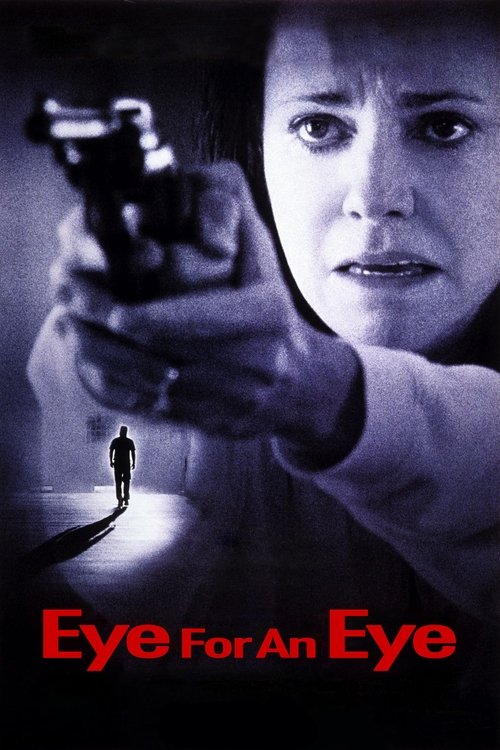
Eye for an Eye
It's fire and brimstone time as grieving mother Karen McCann takes justice into her own hands when a kangaroo court in Los Angeles fails to convict Robert Doob, the monster who raped and murdered her 17-year-old daughter.
Working with a mid-range budget of $20.0M, the film achieved a respectable showing with $26.9M in global revenue (+34% profit margin).


Plot Structure
Story beats plotted across runtime


Narrative Arc
Emotional journey through the story's key moments
Story Circle
Blueprint 15-beat structure
Arcplot Score Breakdown
Weighted: Precision (70%) + Arc (15%) + Theme (15%)
Eye for an Eye (1996) exhibits deliberately positioned plot construction, characteristic of John Schlesinger's storytelling approach. This structural analysis examines how the film's 15-point plot structure maps to proven narrative frameworks across 1 hour and 41 minutes. With an Arcplot score of 7.4, the film balances conventional beats with creative variation.
Characters
Cast & narrative archetypes

Karen McCann
Robert Doob
Mack McCann
Martin
Detective Sergeant Denillo
Julie McCann
Megan McCann
Main Cast & Characters
Karen McCann
Played by Sally Field
A mother who transforms into a vigilante after her daughter's murderer is released on a technicality.
Robert Doob
Played by Kiefer Sutherland
A sadistic serial killer who murders Karen's daughter and escapes justice through legal loopholes.
Mack McCann
Played by Ed Harris
Karen's husband who struggles to keep his family together while his wife spirals into obsession with revenge.
Martin
Played by Joe Mantegna
Support group leader who secretly mentors victims' families in vigilante justice.
Detective Sergeant Denillo
Played by Beverly D'Angelo
Lead detective investigating the murder who sympathizes with Karen but must uphold the law.
Julie McCann
Played by Olivia Burnette
Karen's teenage daughter whose brutal murder triggers the story.
Megan McCann
Played by Alexandra Kyle
Karen's surviving younger daughter who watches her mother spiral into darkness.
Structural Analysis
The Status Quo at 1 minutes (1% through the runtime) establishes Karen McCann lives a comfortable suburban life with her husband Mack and two daughters. She's a loving mother managing everyday routines, embodying safety and normalcy.. Structural examination shows that this early placement immediately immerses viewers in the story world.
The inciting incident occurs at 12 minutes when Karen is on the phone with daughter Julie when she hears her being attacked and murdered by an intruder. She is forced to listen helplessly as her daughter is raped and killed - shattering her entire world.. At 12% through the film, this Disruption aligns precisely with traditional story structure. This beat shifts the emotional landscape, launching the protagonist into the central conflict.
The First Threshold at 24 minutes marks the transition into Act II, occurring at 24% of the runtime. This demonstrates the protagonist's commitment to Doob is released on a technicality - the evidence is inadmissible because Karen was an illegal wiretap witness. The justice system has failed. Karen chooses to actively pursue her own form of justice., moving from reaction to action.
At 50 minutes, the Midpoint arrives at 50% of the runtime—precisely centered, creating perfect narrative symmetry. The analysis reveals that this crucial beat Doob commits another crime - he attacks or kills again. The stakes raise dramatically: Karen realizes she must act now to prevent more victims, but the false defeat is that her worst fears are confirmed and time is running out., fundamentally raising what's at risk. The emotional intensity shifts, dividing the narrative into clear before-and-after phases.
The Collapse moment at 75 minutes (74% through) represents the emotional nadir. Here, Karen's marriage crumbles or she faces ultimate isolation. The "whiff of death" - her old self, her moral certainty, her marriage, or her relationship with surviving daughter Megan dies. She's lost everything to her obsession., indicates the protagonist at their lowest point. This beat's placement in the final quarter sets up the climactic reversal.
The Second Threshold at 80 minutes initiates the final act resolution at 79% of the runtime. Karen receives new information about Doob's next move, or she synthesizes her training with her resolve. She makes the final decision to confront him, combining her preparation with her clarity of purpose., demonstrating the transformation achieved throughout the journey.
Emotional Journey
Eye for an Eye's emotional architecture traces a deliberate progression across 15 carefully calibrated beats.
Narrative Framework
This structural analysis employs a 15-point narrative structure framework that maps key story moments. By mapping Eye for an Eye against these established plot points, we can identify how John Schlesinger utilizes or subverts traditional narrative conventions. The plot point approach reveals not only adherence to structural principles but also creative choices that distinguish Eye for an Eye within the thriller genre.
John Schlesinger's Structural Approach
Among the 5 John Schlesinger films analyzed on Arcplot, the average structural score is 7.1, reflecting strong command of classical structure. Eye for an Eye represents one of the director's most structurally precise works. For comparative analysis, explore the complete John Schlesinger filmography.
Comparative Analysis
Additional thriller films include The Warriors, Thunderball and Rustom. For more John Schlesinger analyses, see Marathon Man, Pacific Heights and The Next Best Thing.
Plot Points by Act
Act I
SetupStatus Quo
Karen McCann lives a comfortable suburban life with her husband Mack and two daughters. She's a loving mother managing everyday routines, embodying safety and normalcy.
Theme
A character discusses justice and the legal system's purpose - foreshadowing the central question of whether personal vengeance can substitute for institutional justice when the system fails.
Worldbuilding
Establishing Karen's normal world: her relationship with her daughters Julie and Megan, her marriage to Mack, their comfortable home life, daily routines, and the illusion of safety in their community.
Disruption
Karen is on the phone with daughter Julie when she hears her being attacked and murdered by an intruder. She is forced to listen helplessly as her daughter is raped and killed - shattering her entire world.
Resistance
Karen struggles with grief and trauma. Police investigate and identify suspect Robert Doob. Karen debates whether to trust the justice system, attends therapy, tries to cope with loss while the case moves toward trial.
Act II
ConfrontationFirst Threshold
Doob is released on a technicality - the evidence is inadmissible because Karen was an illegal wiretap witness. The justice system has failed. Karen chooses to actively pursue her own form of justice.
Mirror World
Karen encounters a support group led by a man who lost his daughter to violence. This subplot explores the theme: how do victims' families cope when justice fails? Some choose healing, others choose revenge.
Premise
Karen stalks Doob, learning his patterns. She trains in self-defense and firearms. She navigates the dark premise: a grieving mother becoming a vigilante, crossing moral boundaries as she prepares to take the law into her own hands.
Midpoint
Doob commits another crime - he attacks or kills again. The stakes raise dramatically: Karen realizes she must act now to prevent more victims, but the false defeat is that her worst fears are confirmed and time is running out.
Opposition
Opposition intensifies from multiple fronts: her husband Mack opposes her obsession, police suspect her intentions, Doob may become aware of her surveillance, and Karen's own moral compass fights against what she's becoming.
Collapse
Karen's marriage crumbles or she faces ultimate isolation. The "whiff of death" - her old self, her moral certainty, her marriage, or her relationship with surviving daughter Megan dies. She's lost everything to her obsession.
Crisis
Karen sits in darkness processing whether revenge will bring peace or only perpetuate violence. She wrestles with the cost of vengeance versus living with inaction. Dark night of moral reckoning.
Act III
ResolutionSecond Threshold
Karen receives new information about Doob's next move, or she synthesizes her training with her resolve. She makes the final decision to confront him, combining her preparation with her clarity of purpose.
Synthesis
Final confrontation between Karen and Doob. She executes her plan, faces the killer, and resolves the external conflict through violence. The finale tests whether her transformation has destroyed or empowered her.
Transformation
Karen in aftermath of her revenge - contrasted with opening image of safety and innocence. She has survived but transformed into someone harder, possibly emptier. The cost of vengeance is visible in her eyes.