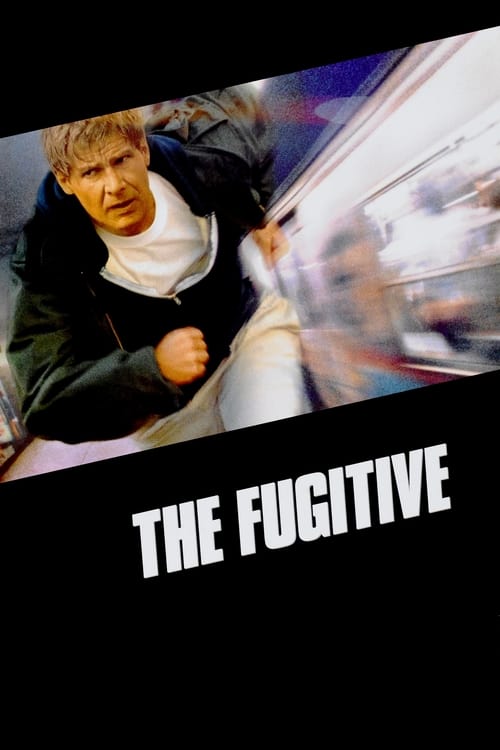
The Fugitive
Dr. Richard Kimble, unjustly accused of murdering his wife, must find the real killer while being the target of a nationwide manhunt led by a seasoned U.S. Marshal.
Despite a respectable budget of $44.0M, The Fugitive became a box office success, earning $183.9M worldwide—a 318% return.
1 Oscar. 13 wins & 37 nominations


Plot Structure
Story beats plotted across runtime


Narrative Arc
Emotional journey through the story's key moments
Story Circle
Blueprint 15-beat structure
Structural Analysis
The Status Quo at 1 minutes (1% through the runtime) establishes Dr. Richard Kimble at a black-tie fundraiser with his wife Helen, successful surgeon with a loving marriage and respected career.. Of particular interest, this early placement immediately immerses viewers in the story world.
The inciting incident occurs at 15 minutes when The prison bus crashes after another prisoner attempts escape, creating chaos and giving Kimble an unexpected opportunity.. At 12% through the film, this Disruption aligns precisely with traditional story structure. This beat shifts the emotional landscape, launching the protagonist into the central conflict.
The First Threshold at 32 minutes marks the transition into Act II, occurring at 25% of the runtime. This reveals the protagonist's commitment to Kimble chooses to return to Chicago despite the danger, actively committing to hunt for the one-armed man rather than simply flee to safety., moving from reaction to action.
At 66 minutes, the Midpoint arrives at 50% of the runtime—precisely centered, creating perfect narrative symmetry. Notably, this crucial beat Dam confrontation: "I didn't kill my wife!" "I don't care!" Kimble leaps from the dam - a false defeat that raises stakes and deepens Gerard's respect., fundamentally raising what's at risk. The emotional intensity shifts, dividing the narrative into clear before-and-after phases.
The Collapse moment at 99 minutes (75% through) represents the emotional nadir. Here, Kimble discovers his friend and colleague Dr. Charles Nichols is behind the conspiracy and Helen's murder - the ultimate betrayal. Trust and friendship die., demonstrates the protagonist at their lowest point. This beat's placement in the final quarter sets up the climactic reversal.
The Second Threshold at 104 minutes initiates the final act resolution at 80% of the runtime. Kimble synthesizes his medical knowledge with evidence of the conspiracy, choosing to confront Nichols at the hotel. Gerard begins to doubt Kimble's guilt., demonstrating the transformation achieved throughout the journey.
Emotional Journey
The Fugitive's emotional architecture traces a deliberate progression across 15 carefully calibrated beats.
Narrative Framework
This structural analysis employs systematic plot point analysis that identifies crucial turning points. By mapping The Fugitive against these established plot points, we can identify how Andrew Davis utilizes or subverts traditional narrative conventions. The plot point approach reveals not only adherence to structural principles but also creative choices that distinguish The Fugitive within the action genre.
Andrew Davis's Structural Approach
Among the 9 Andrew Davis films analyzed on Arcplot, the average structural score is 6.9, demonstrating varied approaches to story architecture. The Fugitive exemplifies the director's characteristic narrative technique. For comparative analysis, explore the complete Andrew Davis filmography.
Comparative Analysis
Additional action films include The Bad Guys, Puss in Boots and Venom: The Last Dance. For more Andrew Davis analyses, see Code of Silence, Steal Big Steal Little and Chain Reaction.
Plot Points by Act
Act I
SetupStatus Quo
Dr. Richard Kimble at a black-tie fundraiser with his wife Helen, successful surgeon with a loving marriage and respected career.
Theme
Gerard to his team: "I don't care" about guilt or innocence, only about the capture. Theme of justice vs. law, truth vs. duty.
Worldbuilding
Flashbacks to the murder of Helen by the one-armed man, Kimble's wrongful conviction, the trial, and sentencing to death. Establishes the injustice and Kimble's desperation.
Disruption
The prison bus crashes after another prisoner attempts escape, creating chaos and giving Kimble an unexpected opportunity.
Resistance
Kimble escapes during the train-bus collision, evades the initial manhunt, and begins planning his dual mission: survive and find the one-armed man.
Act II
ConfrontationFirst Threshold
Kimble chooses to return to Chicago despite the danger, actively committing to hunt for the one-armed man rather than simply flee to safety.
Mirror World
Gerard fully commits to the hunt, establishes his methodical approach. He represents lawful duty while Kimble represents moral truth - mirror opposites pursuing justice differently.
Premise
The cat-and-mouse game unfolds: Kimble investigates prosthetics records while Gerard closes in. Near-misses at the hospital, St. Patrick's Day parade. The "promise of the premise" - fugitive vs. marshal.
Midpoint
Dam confrontation: "I didn't kill my wife!" "I don't care!" Kimble leaps from the dam - a false defeat that raises stakes and deepens Gerard's respect.
Opposition
Gerard intensifies the manhunt with renewed determination. Kimble identifies Frederick Sykes as the one-armed man and discovers the pharmaceutical conspiracy. The net tightens from both directions.
Collapse
Kimble discovers his friend and colleague Dr. Charles Nichols is behind the conspiracy and Helen's murder - the ultimate betrayal. Trust and friendship die.
Crisis
Kimble processes the devastating betrayal, realizes the depth of the conspiracy, and understands he must expose Nichols despite having no allies or proof.
Act III
ResolutionSecond Threshold
Kimble synthesizes his medical knowledge with evidence of the conspiracy, choosing to confront Nichols at the hotel. Gerard begins to doubt Kimble's guilt.
Synthesis
Hotel finale: Kimble confronts Nichols and Sykes, fight ensues. Gerard arrives, witnesses the truth, and shoots Sykes. Nichols is arrested. Justice and law finally align.
Transformation
Gerard removes Kimble's handcuffs in the back of the police car - a gesture of respect and acknowledgment of innocence. The fugitive is now free, vindicated.