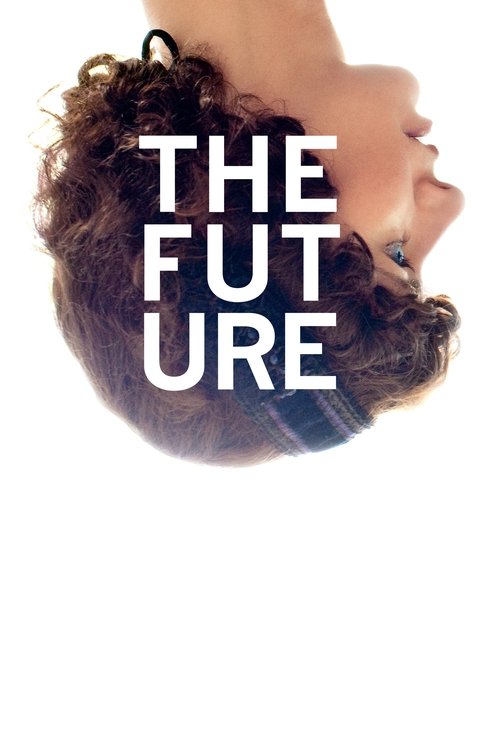
The Future
When a couple decides to adopt a stray cat their perspective on life changes radically, literally altering the course of time and space and testing their faith in each other and themselves.
Produced on a limited budget of $1.0M, the film represents a independent production.
1 win & 7 nominations


Plot Structure
Story beats plotted across runtime


Narrative Arc
Emotional journey through the story's key moments
Story Circle
Blueprint 15-beat structure
Arcplot Score Breakdown
Weighted: Precision (70%) + Arc (15%) + Theme (15%)
The Future (2011) reveals precise narrative design, characteristic of Miranda July's storytelling approach. This structural analysis examines how the film's 15-point plot structure maps to proven narrative frameworks across 1 hour and 31 minutes. With an Arcplot score of 7.1, the film balances conventional beats with creative variation.
Characters
Cast & narrative archetypes

Sophie
Jason
Paw Paw (voice)
Marshall
Main Cast & Characters
Sophie
Played by Miranda July
A dance teacher in her mid-30s facing existential crisis about time, commitment, and creative dreams.
Jason
Played by Hamish Linklater
Sophie's boyfriend, works in tech support, struggles with passivity and fear of commitment.
Paw Paw (voice)
Played by Miranda July
An injured cat waiting for adoption who narrates parts of the story, representing hope and abandonment.
Marshall
Played by David Warshofsky
An older divorced man selling his belongings, becomes involved with Sophie during her crisis.
Structural Analysis
The Status Quo at 1 minutes (1% through the runtime) establishes Sophie and Jason sit side by side on their couch with laptops, living parallel but disconnected lives in their small apartment—a portrait of comfortable stagnation and creative inertia.. Structural examination shows that this early placement immediately immerses viewers in the story world.
The inciting incident occurs at 11 minutes when At the vet, Sophie and Jason learn Paw-Paw needs 30 days to recover before adoption. They realize that adopting this cat means real commitment—they'll be forty when it dies. The countdown to mortality begins.. At 12% through the film, this Disruption aligns precisely with traditional story structure. This beat shifts the emotional landscape, launching the protagonist into the central conflict.
The First Threshold at 21 minutes marks the transition into Act II, occurring at 23% of the runtime. This shows the protagonist's commitment to Sophie and Jason both quit their jobs, cutting themselves off from their routines and the internet. They actively choose to step into the unknown of unstructured time, believing this freedom will transform them., moving from reaction to action.
At 44 minutes, the Midpoint arrives at 49% of the runtime—precisely centered, creating perfect narrative symmetry. Notably, this crucial beat Sophie goes to Marshall's house and begins an affair. She crosses a line that cannot be uncrossed, trading her stagnant life with Jason for an equally hollow escape. The stakes shift from self-improvement to betrayal., fundamentally raising what's at risk. The emotional intensity shifts, dividing the narrative into clear before-and-after phases.
The Collapse moment at 68 minutes (74% through) represents the emotional nadir. Here, Jason unfreezes time and calls Sophie, who confesses she's been at Marshall's for days. The relationship dies. Simultaneously, we learn Paw-Paw has died at the shelter, never having been picked up—the 30 days passed while they were paralyzed., reveals the protagonist at their lowest point. This beat's placement in the final quarter sets up the climactic reversal.
The Second Threshold at 73 minutes initiates the final act resolution at 80% of the runtime. Sophie emerges from hiding under the shirt, finally accepting that she cannot escape time or herself. Jason lets go of his ability to freeze the world. Both must face the future they've been running from., demonstrating the transformation achieved throughout the journey.
Emotional Journey
The Future's emotional architecture traces a deliberate progression across 15 carefully calibrated beats.
Narrative Framework
This structural analysis employs systematic plot point analysis that identifies crucial turning points. By mapping The Future against these established plot points, we can identify how Miranda July utilizes or subverts traditional narrative conventions. The plot point approach reveals not only adherence to structural principles but also creative choices that distinguish The Future within the drama genre.
Miranda July's Structural Approach
Among the 2 Miranda July films analyzed on Arcplot, the average structural score is 7.0, reflecting strong command of classical structure. The Future represents one of the director's most structurally precise works. For comparative analysis, explore the complete Miranda July filmography.
Comparative Analysis
Additional drama films include After Thomas, South Pacific and Dirty Dancing: Havana Nights. For more Miranda July analyses, see Kajillionaire.
Plot Points by Act
Act I
SetupStatus Quo
Sophie and Jason sit side by side on their couch with laptops, living parallel but disconnected lives in their small apartment—a portrait of comfortable stagnation and creative inertia.
Theme
Paw-Paw the cat narrates from the animal shelter, speaking about waiting and the preciousness of remaining time: "I only have to wait thirty more days... but that is a long time when you don't know if you'll live that long."
Worldbuilding
The couple's mundane existence is established: Jason does tech support, Sophie teaches children's dance classes online, they communicate through screens even when together, and their relationship has calcified into routine.
Disruption
At the vet, Sophie and Jason learn Paw-Paw needs 30 days to recover before adoption. They realize that adopting this cat means real commitment—they'll be forty when it dies. The countdown to mortality begins.
Resistance
Sophie and Jason debate what to do with their "last month of freedom." They decide to quit their jobs, disconnect the internet, and dedicate themselves to meaningful pursuits—Sophie will make 30 dances, Jason will find a cause.
Act II
ConfrontationFirst Threshold
Sophie and Jason both quit their jobs, cutting themselves off from their routines and the internet. They actively choose to step into the unknown of unstructured time, believing this freedom will transform them.
Mirror World
Jason begins going door-to-door selling trees for an environmental charity, meeting an elderly man named Joe who becomes a strange mentor figure—someone who has already lived through the future Jason fears.
Premise
The couple explores their new freedom in divergent ways: Jason sells trees and befriends Joe while Sophie struggles to create her dances, eventually discovering a man named Marshall through a Craigslist ad and beginning a secret connection.
Midpoint
Sophie goes to Marshall's house and begins an affair. She crosses a line that cannot be uncrossed, trading her stagnant life with Jason for an equally hollow escape. The stakes shift from self-improvement to betrayal.
Opposition
Sophie moves deeper into her affair with Marshall and his daughter Gabriella, playing house while avoiding reality. Meanwhile, Jason discovers he can stop time—the moon speaks to him—but this power only freezes him further rather than freeing him.
Collapse
Jason unfreezes time and calls Sophie, who confesses she's been at Marshall's for days. The relationship dies. Simultaneously, we learn Paw-Paw has died at the shelter, never having been picked up—the 30 days passed while they were paralyzed.
Crisis
Sophie wanders through the night, literally crawling under a t-shirt that becomes a hiding place. She is consumed by darkness and shame. Jason sits alone in the frozen apartment. Both are lost in the wreckage of their choices.
Act III
ResolutionSecond Threshold
Sophie emerges from hiding under the shirt, finally accepting that she cannot escape time or herself. Jason lets go of his ability to freeze the world. Both must face the future they've been running from.
Synthesis
The narrative fractures into possible futures: Sophie buries Paw-Paw in the backyard she never lived to see. Jason moves on. Joe, the old man, offers quiet wisdom about living with time rather than against it. The couple does not reunite.
Transformation
Paw-Paw's final narration speaks of waiting and hope even in death. Sophie, alone, looks toward an uncertain future—transformed not into someone better, but into someone who can no longer hide from time. The paralysis has broken, but at great cost.