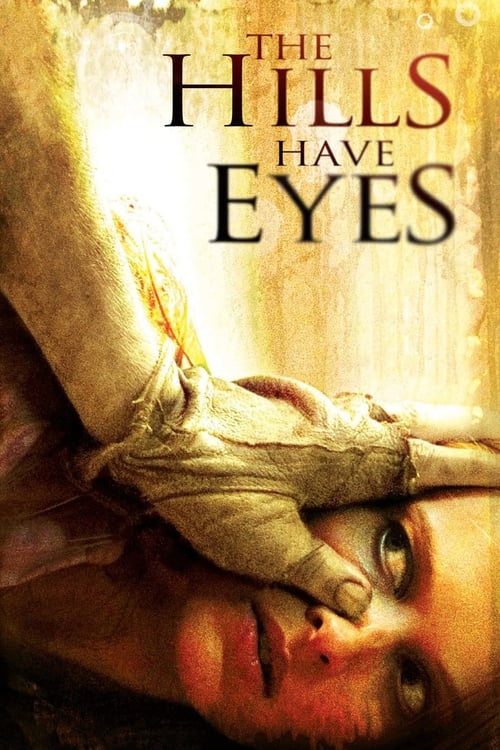
The Hills Have Eyes
Based on Wes Craven's 1977 suspenseful cult classic, The Hills Have Eyes is the story of a family road trip that goes terrifyingly awry when the travelers become stranded in a government atomic zone. Miles from nowhere, the Carter family soon realizes the seemingly uninhabited wasteland is actually the breeding ground of a blood-thirsty mutant family...and they are the prey.
Despite a mid-range budget of $15.0M, The Hills Have Eyes became a box office success, earning $69.6M worldwide—a 364% return.
2 wins & 13 nominations


Plot Structure
Story beats plotted across runtime


Narrative Arc
Emotional journey through the story's key moments
Story Circle
Blueprint 15-beat structure
Arcplot Score Breakdown
Weighted: Precision (70%) + Arc (15%) + Theme (15%)
The Hills Have Eyes (2006) exemplifies strategically placed dramatic framework, characteristic of Alexandre Aja's storytelling approach. This structural analysis examines how the film's 15-point plot structure maps to proven narrative frameworks across 1 hour and 47 minutes. With an Arcplot score of 7.4, the film balances conventional beats with creative variation.
Structural Analysis
The Status Quo at 2 minutes (2% through the runtime) establishes The Carter family (Bob, Ethel, their children Lynn, Brenda, Bobby, and Lynn's husband Doug with baby Catherine) drive through the New Mexico desert on vacation, celebrating Bob and Ethel's anniversary. They represent suburban American normalcy - RVs, family traditions, and optimistic road-tripping.. Of particular interest, this early placement immediately immerses viewers in the story world.
The inciting incident occurs at 12 minutes when The trailer hits a spike strip hidden in the road, shredding their tires and stranding them in the desert. This external event forces them into the mutants' hunting ground. The gas station attendant's sabotage has succeeded - they are now prey.. At 12% through the film, this Disruption aligns precisely with traditional story structure. This beat shifts the emotional landscape, launching the protagonist into the central conflict.
The First Threshold at 26 minutes marks the transition into Act II, occurring at 24% of the runtime. This illustrates the protagonist's commitment to Beast (the German Shepherd) is killed by the mutants, and his body is discovered. The family realizes they are being hunted by something inhuman. This crosses them from denial into the horror of their new reality - they must fight to survive., moving from reaction to action.
At 52 minutes, the Midpoint arrives at 49% of the runtime—precisely centered, creating perfect narrative symmetry. Of particular interest, this crucial beat Ethel dies from her injuries, and Doug returns to find his wife Lynn shot dead, his baby stolen. The stakes reach maximum - this is total devastation. The mutants have achieved false victory; the Carters are decimated. The surviving family members realize this is a fight to the death., fundamentally raising what's at risk. The emotional intensity shifts, dividing the narrative into clear before-and-after phases.
The Collapse moment at 78 minutes (73% through) represents the emotional nadir. Here, Doug is captured and nearly killed by Pluto in the mining tunnels. He is beaten, bloody, seemingly defeated. This is his darkest moment - his family is dead, his baby is still captive, and he's about to die. The whiff of death is literal; he appears finished., reveals the protagonist at their lowest point. This beat's placement in the final quarter sets up the climactic reversal.
The Second Threshold at 83 minutes initiates the final act resolution at 78% of the runtime. Doug brutally kills Pluto with an American flag, symbolizing his synthesis of civilized identity with savage necessity. He breaks through to new understanding: survival requires becoming what you fight. He locates Catherine and prepares for final confrontation with the mutant patriarch., demonstrating the transformation achieved throughout the journey.
Emotional Journey
The Hills Have Eyes's emotional architecture traces a deliberate progression across 15 carefully calibrated beats.
Narrative Framework
This structural analysis employs structural analysis methodology used to understand storytelling architecture. By mapping The Hills Have Eyes against these established plot points, we can identify how Alexandre Aja utilizes or subverts traditional narrative conventions. The plot point approach reveals not only adherence to structural principles but also creative choices that distinguish The Hills Have Eyes within the horror genre.
Alexandre Aja's Structural Approach
Among the 6 Alexandre Aja films analyzed on Arcplot, the average structural score is 7.2, reflecting strong command of classical structure. The Hills Have Eyes represents one of the director's most structurally precise works. For comparative analysis, explore the complete Alexandre Aja filmography.
Comparative Analysis
Additional horror films include Thinner, A Nightmare on Elm Street and Mary Reilly. For more Alexandre Aja analyses, see Never Let Go, Mirrors and High Tension.
Plot Points by Act
Act I
SetupStatus Quo
The Carter family (Bob, Ethel, their children Lynn, Brenda, Bobby, and Lynn's husband Doug with baby Catherine) drive through the New Mexico desert on vacation, celebrating Bob and Ethel's anniversary. They represent suburban American normalcy - RVs, family traditions, and optimistic road-tripping.
Theme
At the remote gas station, the attendant warns them about the danger of leaving the main highway, stating "There's a whole other world out there." This establishes the theme: civilization vs. savagery, and what people become when stripped of societal protection.
Worldbuilding
Family dynamics are established: Bob is the authoritarian patriarch, Doug is the liberal son-in-law, Bobby is the rebellious son, Lynn is pregnant and maternal, Brenda is the teenage daughter. The dogs (Beauty and Beast) travel with them. The world is normal America venturing into the desert wasteland.
Disruption
The trailer hits a spike strip hidden in the road, shredding their tires and stranding them in the desert. This external event forces them into the mutants' hunting ground. The gas station attendant's sabotage has succeeded - they are now prey.
Resistance
The family debates what to do. Bob and Doug decide to split up - Bob walks back to the gas station while Doug heads toward the air base they saw. Bobby stays to guard the family. They resist accepting the true danger, clinging to rational solutions. The dogs sense the mutants watching them.
Act II
ConfrontationFirst Threshold
Beast (the German Shepherd) is killed by the mutants, and his body is discovered. The family realizes they are being hunted by something inhuman. This crosses them from denial into the horror of their new reality - they must fight to survive.
Mirror World
Doug discovers the abandoned nuclear test town and the mutant family's lair, seeing evidence of their cannibalism and depravity. This "B story" world represents the dark mirror of the Carter family - another family unit, but one twisted by radiation and isolation into monsters.
Premise
The horror unfolds as promised: the mutant family attacks. Bob is captured, burned alive. Ethel and Brenda are brutally assaulted in the trailer, and baby Catherine is kidnapped. The "fun and games" is pure survival horror - the Carter family experiencing escalating violence and discovering the depths of human savagery.
Midpoint
Ethel dies from her injuries, and Doug returns to find his wife Lynn shot dead, his baby stolen. The stakes reach maximum - this is total devastation. The mutants have achieved false victory; the Carters are decimated. The surviving family members realize this is a fight to the death.
Opposition
The survivors regroup in despair. Doug decides to go into the mutants' territory to retrieve Catherine. Bobby and Brenda fortify their position. The mutants continue their assault. The family must embrace violence to survive - Doug arms himself with weapons, Bobby sets traps. Civilization's veneer strips away.
Collapse
Doug is captured and nearly killed by Pluto in the mining tunnels. He is beaten, bloody, seemingly defeated. This is his darkest moment - his family is dead, his baby is still captive, and he's about to die. The whiff of death is literal; he appears finished.
Crisis
In the darkness of potential death, Doug finds primal rage. He processes what he must become to save his daughter - not civilized man, but savage fighter. He embraces the brutal violence necessary for survival, transforming from liberal pacifist to warrior.
Act III
ResolutionSecond Threshold
Doug brutally kills Pluto with an American flag, symbolizing his synthesis of civilized identity with savage necessity. He breaks through to new understanding: survival requires becoming what you fight. He locates Catherine and prepares for final confrontation with the mutant patriarch.
Synthesis
The finale: Doug battles Papa Jupiter (the mutant leader) and Lizard. Bobby and Brenda fight off remaining mutants at the trailer using guns and traps. Beauty (the surviving dog) aids in the fight. Doug rescues Catherine. The family uses both intelligence and brutality to eliminate the threat.
Transformation
Doug emerges from the hills carrying Catherine, covered in blood, having killed Papa Jupiter. His face shows he is forever changed - no longer the civilized suburbanite but a survivor who has crossed into darkness. The final freeze-frame captures his transformed, haunted expression as gunfire continues.