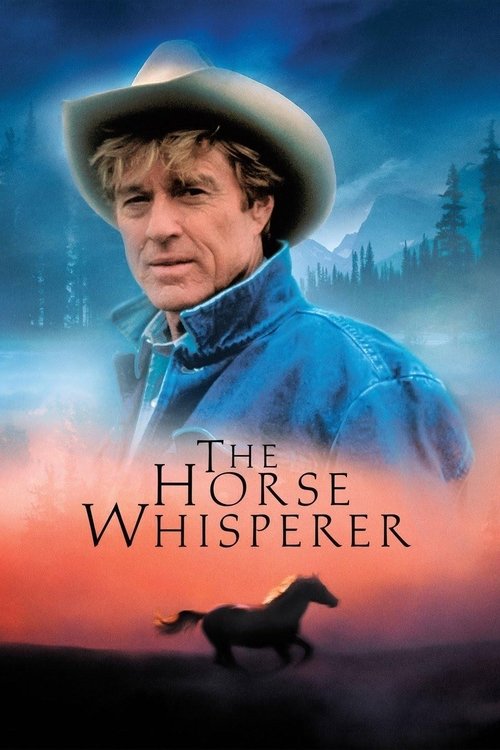
The Horse Whisperer
The mother of a severely traumatized daughter enlists the aid of a unique horse trainer to help the girl's equally injured horse.
Despite a respectable budget of $60.0M, The Horse Whisperer became a solid performer, earning $186.9M worldwide—a 211% return.
Nominated for 1 Oscar. 4 wins & 19 nominations


Plot Structure
Story beats plotted across runtime


Narrative Arc
Emotional journey through the story's key moments
Story Circle
Blueprint 15-beat structure
Structural Analysis
The Status Quo at 1 minutes (1% through the runtime) establishes Grace and her friend Judith ride horses through snowy woods, full of youthful joy and freedom. Grace's life is complete - she has her horse Pilgrim, her best friend, and the natural world she loves.. Of particular interest, this early placement immediately immerses viewers in the story world.
The inciting incident occurs at 18 minutes when The catastrophic accident: Grace and Judith are hit by a truck while riding. Judith and her horse are killed instantly. Grace loses her leg and Pilgrim is severely traumatized and injured. Everything is shattered in one brutal moment.. At 11% through the film, this Disruption aligns precisely with traditional story structure. This beat shifts the emotional landscape, launching the protagonist into the central conflict.
The First Threshold at 41 minutes marks the transition into Act II, occurring at 24% of the runtime. This demonstrates the protagonist's commitment to Annie makes the active choice to take Grace and Pilgrim to Montana against everyone's wishes - Robert's objections, Grace's resistance, the veterinarian's advice. She loads Pilgrim into a trailer and drives west, crossing into a new world., moving from reaction to action.
At 85 minutes, the Midpoint arrives at 50% of the runtime—precisely centered, creating perfect narrative symmetry. Notably, this crucial beat False victory: Pilgrim makes a breakthrough - he allows Tom to touch him and shows signs of trust. Grace smiles for the first time since the accident. At the same moment, Annie and Tom share an intimate moment, dancing at a local event. The healing seems to be working, but deeper complications loom., fundamentally raising what's at risk. The emotional intensity shifts, dividing the narrative into clear before-and-after phases.
The Collapse moment at 125 minutes (74% through) represents the emotional nadir. Here, Annie and Tom consummate their relationship, crossing the line they've resisted. Immediately after, the weight of what they've done crashes down. The dream dies - they both realize this love cannot exist in the real world. Annie must choose between staying in this fantasy or returning to her family., indicates the protagonist at their lowest point. This beat's placement in the final quarter sets up the climactic reversal.
The Second Threshold at 137 minutes initiates the final act resolution at 81% of the runtime. Annie realizes that the healing was never about controlling the outcome - it was about letting go. She sees that Grace has found herself again, that Pilgrim is whole. The lesson Tom taught the horse, he taught them all: trust and healing come from patience and surrender, not force., demonstrating the transformation achieved throughout the journey.
Emotional Journey
The Horse Whisperer's emotional architecture traces a deliberate progression across 15 carefully calibrated beats.
Narrative Framework
This structural analysis employs proven narrative structure principles that track dramatic progression. By mapping The Horse Whisperer against these established plot points, we can identify how Robert Redford utilizes or subverts traditional narrative conventions. The plot point approach reveals not only adherence to structural principles but also creative choices that distinguish The Horse Whisperer within the drama genre.
Robert Redford's Structural Approach
Among the 9 Robert Redford films analyzed on Arcplot, the average structural score is 7.2, reflecting strong command of classical structure. The Horse Whisperer exemplifies the director's characteristic narrative technique. For comparative analysis, explore the complete Robert Redford filmography.
Comparative Analysis
Additional drama films include After Thomas, South Pacific and Dirty Dancing: Havana Nights. For more Robert Redford analyses, see Quiz Show, Lions for Lambs and The Company You Keep.
Plot Points by Act
Act I
SetupStatus Quo
Grace and her friend Judith ride horses through snowy woods, full of youthful joy and freedom. Grace's life is complete - she has her horse Pilgrim, her best friend, and the natural world she loves.
Theme
Annie's assistant or colleague references her driven, controlling nature and perfectionism at the magazine. The theme of control versus surrender is established - what you try to force rarely heals.
Worldbuilding
Establish the MacLean family in New York - Annie as driven magazine editor, Grace as horse-loving teenager, Robert as the steady husband. Show their comfortable upper-class life and the deep bond between Grace and her horse Pilgrim.
Disruption
The catastrophic accident: Grace and Judith are hit by a truck while riding. Judith and her horse are killed instantly. Grace loses her leg and Pilgrim is severely traumatized and injured. Everything is shattered in one brutal moment.
Resistance
Grace recovers physically but is emotionally destroyed. Pilgrim is deemed dangerous and unrideable. Annie desperately searches for solutions, researching horse therapists. She discovers Tom Booker, a Montana horse whisperer. Annie debates whether to uproot their lives and travel to Montana.
Act II
ConfrontationFirst Threshold
Annie makes the active choice to take Grace and Pilgrim to Montana against everyone's wishes - Robert's objections, Grace's resistance, the veterinarian's advice. She loads Pilgrim into a trailer and drives west, crossing into a new world.
Mirror World
Annie and Grace arrive at the Booker ranch and meet Tom Booker. He represents everything opposite to Annie's world - patience, naturalness, connection to the land. He is reluctant to help but agrees to work with Pilgrim. The thematic relationship begins.
Premise
The promise of the premise: Tom works with Pilgrim using gentle, patient methods. Grace begins to open up in the Montana setting. Annie is forced to slow down and observe. The healing process begins for horse and girl, while Annie and Tom develop a deep connection. Ranch life and Western landscape provide the backdrop.
Midpoint
False victory: Pilgrim makes a breakthrough - he allows Tom to touch him and shows signs of trust. Grace smiles for the first time since the accident. At the same moment, Annie and Tom share an intimate moment, dancing at a local event. The healing seems to be working, but deeper complications loom.
Opposition
Complications intensify: Robert visits and senses the connection between Annie and Tom. The emotional affair deepens. Grace progresses with Pilgrim but recognizes her mother's feelings for Tom. Annie is torn between her old life and new feelings. Tom struggles with his growing love for Annie and loyalty to his values. The impossible nature of their situation closes in.
Collapse
Annie and Tom consummate their relationship, crossing the line they've resisted. Immediately after, the weight of what they've done crashes down. The dream dies - they both realize this love cannot exist in the real world. Annie must choose between staying in this fantasy or returning to her family.
Crisis
Annie processes the impossibility of the situation. Tom distances himself, knowing she must go. Grace, now healed enough to ride Pilgrim again, prepares to say goodbye to the ranch. The emotional reckoning - what has been gained and what must be surrendered.
Act III
ResolutionSecond Threshold
Annie realizes that the healing was never about controlling the outcome - it was about letting go. She sees that Grace has found herself again, that Pilgrim is whole. The lesson Tom taught the horse, he taught them all: trust and healing come from patience and surrender, not force.
Synthesis
Annie and Grace prepare to leave Montana. Grace rides Pilgrim one final time, demonstrating complete healing. Goodbyes are said - Tom and Annie share a final moment, acknowledging their love and the impossibility of it. Annie chooses her family and her marriage, but she is fundamentally changed. They drive away from the ranch.
Transformation
Final image mirrors the opening: Grace and Pilgrim together, but transformed. Grace rides with quiet confidence, her prosthetic leg visible but not limiting her. Annie watches with tears, having learned to let go. The control freak has learned to trust the process. Healing has come through surrender, not force.