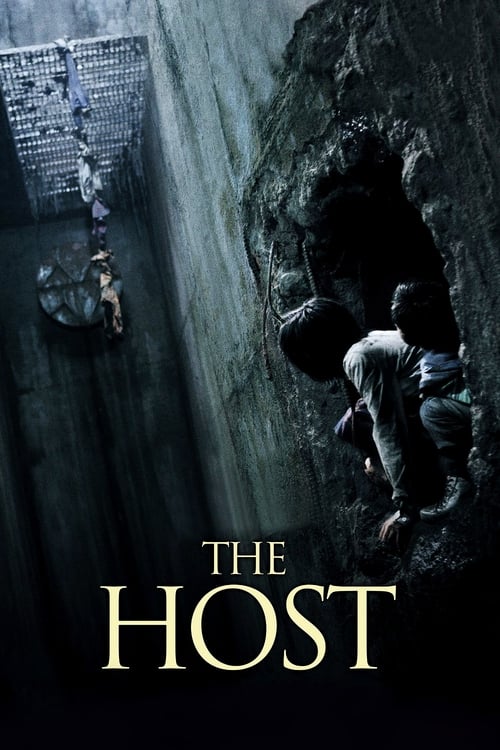
The Host
A teenage girl is captured by a giant mutated squid-like creature that appears from Seoul's Han River after toxic waste was dumped in it, prompting her family into a frantic search for her.
Despite its small-scale budget of $11.0M, The Host became a massive hit, earning $88.5M worldwide—a remarkable 704% return. The film's unconventional structure engaged audiences, confirming that strong storytelling can transcend budget limitations.
30 wins & 37 nominations


Plot Structure
Story beats plotted across runtime


Narrative Arc
Emotional journey through the story's key moments
Story Circle
Blueprint 15-beat structure
Arcplot Score Breakdown
Weighted: Precision (70%) + Arc (15%) + Theme (15%)
The Host (2006) showcases meticulously timed plot construction, characteristic of Bong Joon Ho's storytelling approach. This structural analysis examines how the film's 15-point plot structure maps to proven narrative frameworks across 2 hours. With an Arcplot score of 7.2, the film balances conventional beats with creative variation.
Structural Analysis
The Status Quo at 1 minutes (1% through the runtime) establishes Gang-du dozes off at his family's snack bar beside the Han River while his daughter Hyun-seo watches TV. The mundane dysfunction of the Park family is established—a loving but chaotic working-class household where Gang-du is seen as the family disappointment.. Notably, this early placement immediately immerses viewers in the story world.
The inciting incident occurs at 15 minutes when The mutated creature emerges from the Han River and attacks the crowded riverbank in broad daylight. In the chaos, Gang-du watches helplessly as the monster snatches Hyun-seo and disappears into the water. The ordinary world is shattered in an instant.. At 13% through the film, this Disruption is delayed, allowing extended setup of the story world. This beat shifts the emotional landscape, launching the protagonist into the central conflict.
The First Threshold at 30 minutes marks the transition into Act II, occurring at 25% of the runtime. This indicates the protagonist's commitment to The Park family escapes quarantine together, stealing a truck and weapons. They make the active choice to defy the government and rescue Hyun-seo themselves. Gang-du's father Hee-bong leads them into the forbidden zone along the Han River—family loyalty trumps institutional authority., moving from reaction to action.
At 60 minutes, the Midpoint arrives at 50% of the runtime—precisely centered, creating perfect narrative symmetry. The analysis reveals that this crucial beat The family confronts the monster at night under a bridge. In the battle, Hee-bong is killed protecting his children, and Gang-du is recaptured by American military forces. False defeat: the family patriarch is dead, the family is scattered, and Gang-du faces government experimentation. The stakes become life-or-death., fundamentally raising what's at risk. The emotional intensity shifts, dividing the narrative into clear before-and-after phases.
The Collapse moment at 90 minutes (75% through) represents the emotional nadir. Here, Gang-du finally reaches the monster's lair and finds Hyun-seo's body. She died protecting Se-joo, regurgitated by the creature just before he arrived. The whiff of death becomes total devastation—his daughter is gone, and his entire quest was for nothing. Gang-du cradles her lifeless body in anguish., reveals the protagonist at their lowest point. This beat's placement in the final quarter sets up the climactic reversal.
The Second Threshold at 96 minutes initiates the final act resolution at 80% of the runtime. Gang-du sees Se-joo is still alive—Hyun-seo died saving this boy. His daughter's sacrifice gives him purpose. He rises from despair with new resolve: he will kill the monster and save the child his daughter protected. The surviving Parks unite for the final battle, synthesizing their individual skills., demonstrating the transformation achieved throughout the journey.
Emotional Journey
The Host's emotional architecture traces a deliberate progression across 15 carefully calibrated beats.
Narrative Framework
This structural analysis employs a 15-point narrative structure framework that maps key story moments. By mapping The Host against these established plot points, we can identify how Bong Joon Ho utilizes or subverts traditional narrative conventions. The plot point approach reveals not only adherence to structural principles but also creative choices that distinguish The Host within the horror genre.
Bong Joon Ho's Structural Approach
Among the 5 Bong Joon Ho films analyzed on Arcplot, the average structural score is 7.0, demonstrating varied approaches to story architecture. The Host represents one of the director's most structurally precise works. For comparative analysis, explore the complete Bong Joon Ho filmography.
Comparative Analysis
Additional horror films include Thinner, A Nightmare on Elm Street and Mary Reilly. For more Bong Joon Ho analyses, see Mickey 17, Snowpiercer and Okja.
Plot Points by Act
Act I
SetupStatus Quo
Gang-du dozes off at his family's snack bar beside the Han River while his daughter Hyun-seo watches TV. The mundane dysfunction of the Park family is established—a loving but chaotic working-class household where Gang-du is seen as the family disappointment.
Theme
Gang-du's father Hee-bong gently scolds him about falling asleep when he should be watching Hyun-seo, saying the family must look after each other. This establishes the theme: family unity and protection matter more than individual capability.
Worldbuilding
The Park family dynamics are established: patriarch Hee-bong runs the snack shop, Gang-du is the well-meaning but slow eldest son, Nam-il is the unemployed alcoholic college graduate, Nam-joo is the bronze-medal archer who chokes under pressure. The polluted Han River setting is shown, with crowds gathering as something strange appears in the water.
Disruption
The mutated creature emerges from the Han River and attacks the crowded riverbank in broad daylight. In the chaos, Gang-du watches helplessly as the monster snatches Hyun-seo and disappears into the water. The ordinary world is shattered in an instant.
Resistance
The family mourns Hyun-seo at a memorial gymnasium. Government officials quarantine them, claiming the monster carries a deadly virus. Gang-du receives a phone call from Hyun-seo—she's alive, trapped in a sewer. The family desperately tries to convince authorities, but no one believes them. They must act alone.
Act II
ConfrontationFirst Threshold
The Park family escapes quarantine together, stealing a truck and weapons. They make the active choice to defy the government and rescue Hyun-seo themselves. Gang-du's father Hee-bong leads them into the forbidden zone along the Han River—family loyalty trumps institutional authority.
Mirror World
In the sewers, Hyun-seo discovers she's not alone—a young homeless boy named Se-joo is also trapped. She becomes his protector, mirroring her father's mission above ground. This subplot embodies the theme: even the powerless can protect others through love and determination.
Premise
The family splits up to search the vast sewer system. Gang-du hunts for his daughter while evading both the monster and authorities. Nam-joo practices her archery. Nam-il uses his activist connections to trace the phone signal. The promise of the premise delivers: ordinary people versus a giant monster, with dark comedic undertones about bureaucratic incompetence.
Midpoint
The family confronts the monster at night under a bridge. In the battle, Hee-bong is killed protecting his children, and Gang-du is recaptured by American military forces. False defeat: the family patriarch is dead, the family is scattered, and Gang-du faces government experimentation. The stakes become life-or-death.
Opposition
Gang-du is subjected to medical procedures by American doctors hunting for the "virus." Nam-il is betrayed while seeking help. Nam-joo searches alone. In the sewers, Hyun-seo keeps herself and Se-joo alive, rationing food and hiding from the creature. The government prepares to release Agent Yellow, a chemical weapon, to kill the monster—endangering everyone in the area.
Collapse
Gang-du finally reaches the monster's lair and finds Hyun-seo's body. She died protecting Se-joo, regurgitated by the creature just before he arrived. The whiff of death becomes total devastation—his daughter is gone, and his entire quest was for nothing. Gang-du cradles her lifeless body in anguish.
Crisis
Gang-du is paralyzed by grief, holding Hyun-seo as the monster stirs nearby. Agent Yellow is released, covering the riverbank in toxic fog. Nam-il and Nam-joo converge on the scene separately, each facing their own moment of despair as they see the chaos unfolding. The surviving family members must find the will to continue.
Act III
ResolutionSecond Threshold
Gang-du sees Se-joo is still alive—Hyun-seo died saving this boy. His daughter's sacrifice gives him purpose. He rises from despair with new resolve: he will kill the monster and save the child his daughter protected. The surviving Parks unite for the final battle, synthesizing their individual skills.
Synthesis
The climactic battle unfolds on the foggy riverbank. Nam-il creates a Molotov cocktail and distracts the creature. Nam-joo overcomes her performance anxiety and lands the perfect arrow shot, setting the monster ablaze. Gang-du delivers the killing blow with a metal pole, finally protecting someone as he couldn't protect Hyun-seo. The family defeats the monster together.
Transformation
Gang-du now lives in the rebuilt snack shop with Se-joo, the boy Hyun-seo saved. They share a quiet meal, watching the snow fall on the Han River. Gang-du has become a true father—alert, responsible, and protective. The ordinary world is restored, but transformed by loss and love. The family's sacrifice created a new family.