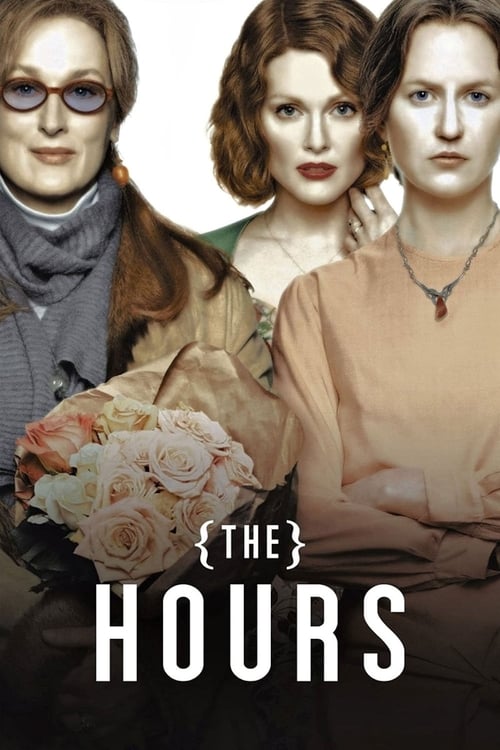
The Hours
The story of three women searching for more potent, meaningful lives. Each is alive at a different time and place, all are linked by their yearnings and their fears. Their stories intertwine, and finally come together in a surprising, transcendent moment of shared recognition.
Despite a mid-range budget of $25.0M, The Hours became a solid performer, earning $108.8M worldwide—a 335% return.
1 Oscar. 43 wins & 126 nominations


Plot Structure
Story beats plotted across runtime


Narrative Arc
Emotional journey through the story's key moments
Story Circle
Blueprint 15-beat structure
Arcplot Score Breakdown
Weighted: Precision (70%) + Arc (15%) + Theme (15%)
The Hours (2002) reveals meticulously timed plot construction, characteristic of Stephen Daldry's storytelling approach. This structural analysis examines how the film's 15-point plot structure maps to proven narrative frameworks across 1 hour and 50 minutes. With an Arcplot score of 6.6, the film balances conventional beats with creative variation.
Structural Analysis
The Status Quo at 1 minutes (1% through the runtime) establishes Virginia Woolf's suicide by drowning in 1941 opens the film, immediately establishing death as the story's shadow. This prologue sets the tragic emotional key before cutting to the three interwoven narratives of women starting their days.. Significantly, this early placement immediately immerses viewers in the story world.
The inciting incident occurs at 13 minutes when Clarissa visits Richard and he challenges the meaning of her life, calling her "Mrs Dalloway" and questioning whether her devoted caretaking is actually a way of avoiding her own existence. His words disrupt the careful equilibrium each woman maintains.. At 12% through the film, this Disruption aligns precisely with traditional story structure. This beat shifts the emotional landscape, launching the protagonist into the central conflict.
The First Threshold at 28 minutes marks the transition into Act II, occurring at 25% of the runtime. This shows the protagonist's commitment to Laura makes the decisive choice to leave her son at a babysitter's and drive to a hotel, carrying pills and Mrs Dalloway. Virginia decides her novel's heroine must die. Clarissa commits to throwing the party despite Richard's resistance. Each woman crosses into confronting mortality., moving from reaction to action.
At 55 minutes, the Midpoint arrives at 50% of the runtime—precisely centered, creating perfect narrative symmetry. The analysis reveals that this crucial beat Laura, alone in the hotel room, puts down the pills and chooses not to end her life—yet this false victory is shadowed by the knowledge that her survival will come at a cost. Virginia declares that someone in her novel must die so others may value life more. The stakes sharpen across all timelines., fundamentally raising what's at risk. The emotional intensity shifts, dividing the narrative into clear before-and-after phases.
The Collapse moment at 83 minutes (75% through) represents the emotional nadir. Here, Richard jumps from his window to his death as Clarissa watches helplessly. This devastating moment is the culmination of the film's meditation on death—the whiff of death made literal. Virginia's fictional death has become real across time., illustrates the protagonist at their lowest point. This beat's placement in the final quarter sets up the climactic reversal.
The Second Threshold at 88 minutes initiates the final act resolution at 80% of the runtime. Virginia delivers her passionate speech to Leonard: "You cannot find peace by avoiding life." This declaration becomes the film's thesis, resonating across all three timelines. Leonard agrees to return to London. The synthesis of confronting life and death fully emerges., demonstrating the transformation achieved throughout the journey.
Emotional Journey
The Hours's emotional architecture traces a deliberate progression across 15 carefully calibrated beats.
Narrative Framework
This structural analysis employs proven narrative structure principles that track dramatic progression. By mapping The Hours against these established plot points, we can identify how Stephen Daldry utilizes or subverts traditional narrative conventions. The plot point approach reveals not only adherence to structural principles but also creative choices that distinguish The Hours within the drama genre.
Stephen Daldry's Structural Approach
Among the 2 Stephen Daldry films analyzed on Arcplot, the average structural score is 7.1, reflecting strong command of classical structure. The Hours takes a more unconventional approach compared to the director's typical style. For comparative analysis, explore the complete Stephen Daldry filmography.
Comparative Analysis
Additional drama films include After Thomas, South Pacific and Dirty Dancing: Havana Nights. For more Stephen Daldry analyses, see Extremely Loud & Incredibly Close.
Plot Points by Act
Act I
SetupStatus Quo
Virginia Woolf's suicide by drowning in 1941 opens the film, immediately establishing death as the story's shadow. This prologue sets the tragic emotional key before cutting to the three interwoven narratives of women starting their days.
Theme
Virginia writes the opening line of Mrs Dalloway: "Mrs Dalloway said she would buy the flowers herself." This statement of autonomy and self-determination echoes across all three timelines as each woman grapples with what it means to make choices about one's own life.
Worldbuilding
The three parallel worlds are established: Virginia in 1923 Richmond under Leonard's watchful care, Laura in 1951 Los Angeles preparing her husband's birthday cake, and Clarissa in 2001 New York planning a party for her dying friend Richard. Each woman's domestic confinement and inner restlessness is introduced.
Disruption
Clarissa visits Richard and he challenges the meaning of her life, calling her "Mrs Dalloway" and questioning whether her devoted caretaking is actually a way of avoiding her own existence. His words disrupt the careful equilibrium each woman maintains.
Resistance
Each woman debates her path: Virginia struggles with Leonard over returning to London; Laura receives a visit from Kitty that deepens her sense of alienation; Clarissa confronts her daughter Sally about Richard's significance. The weight of their choices and the pull toward change intensifies.
Act II
ConfrontationFirst Threshold
Laura makes the decisive choice to leave her son at a babysitter's and drive to a hotel, carrying pills and Mrs Dalloway. Virginia decides her novel's heroine must die. Clarissa commits to throwing the party despite Richard's resistance. Each woman crosses into confronting mortality.
Mirror World
The kiss motif connects the three women: Virginia kisses Vanessa goodbye, Laura kisses Kitty with unexpected intimacy, and Clarissa recalls her youthful kiss with Richard. These moments reveal suppressed passion and authentic connection beneath their domestic performances.
Premise
The three narratives deepen in parallel: Virginia writes with intensity about Mrs Dalloway's day; Laura lies in the hotel room contemplating suicide while reading; Clarissa prepares for the party while managing her complicated feelings about Richard and encounters with his ex-lover Louis.
Midpoint
Laura, alone in the hotel room, puts down the pills and chooses not to end her life—yet this false victory is shadowed by the knowledge that her survival will come at a cost. Virginia declares that someone in her novel must die so others may value life more. The stakes sharpen across all timelines.
Opposition
Pressure mounts: Virginia's illness threatens to overwhelm her writing; Laura returns to her family but her disconnection is palpable; Clarissa's party preparations become increasingly fraught as Richard deteriorates. The women's attempts to maintain their lives grow more desperate.
Collapse
Richard jumps from his window to his death as Clarissa watches helplessly. This devastating moment is the culmination of the film's meditation on death—the whiff of death made literal. Virginia's fictional death has become real across time.
Crisis
In the aftermath of Richard's death, Clarissa is shattered. Virginia argues with Leonard at the train station about her need to return to London and live authentically, even if it means risking death. The parallel crises force each woman to confront what they truly want.
Act III
ResolutionSecond Threshold
Virginia delivers her passionate speech to Leonard: "You cannot find peace by avoiding life." This declaration becomes the film's thesis, resonating across all three timelines. Leonard agrees to return to London. The synthesis of confronting life and death fully emerges.
Synthesis
Laura Brown arrives at Clarissa's apartment—revealed as Richard's mother who abandoned him. Past and present converge as she explains her choice to leave her family to survive. Clarissa receives this confession with compassion, recognizing the impossible choices women face between self-preservation and duty.
Transformation
Virginia's final voiceover delivers her letter to Leonard as she walks into the river: "Always the hours... the years... always the love... always the hours." The closing images show each woman at peace with their choices—life affirmed through the acceptance of both its beauty and its pain.