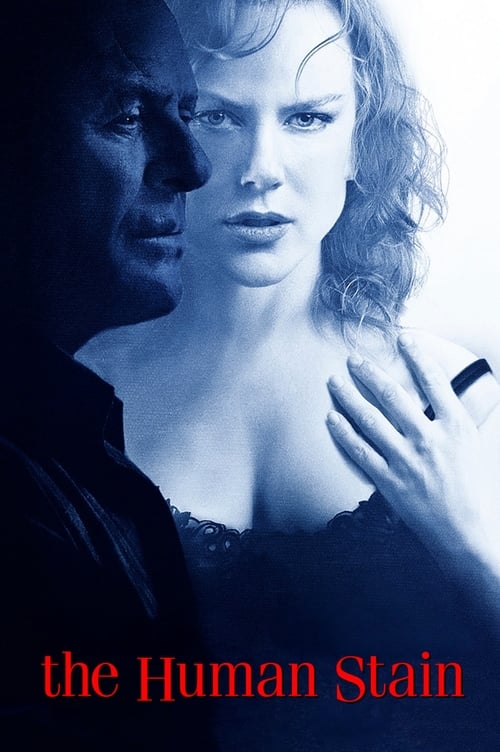
The Human Stain
Coleman Silk is a worldly and admired professor who loses his job after unwittingly making a racial slur. To clear his name, Silk writes a book about the events with his friend and colleague Nathan Zuckerman, who in the process discovers a dark secret Silk has hidden his whole life. All the while, Silk engages in an affair with Faunia Farley, a younger woman whose tormented past threatens to unravel the layers of deception Silk has constructed.
The film struggled financially against its respectable budget of $30.0M, earning $24.9M globally (-17% loss).
3 wins & 5 nominations


Plot Structure
Story beats plotted across runtime


Narrative Arc
Emotional journey through the story's key moments
Story Circle
Blueprint 15-beat structure
Arcplot Score Breakdown
Weighted: Precision (70%) + Arc (15%) + Theme (15%)
The Human Stain (2003) exhibits deliberately positioned plot construction, characteristic of Robert Benton's storytelling approach. This structural analysis examines how the film's 15-point plot structure maps to proven narrative frameworks across 1 hour and 46 minutes. With an Arcplot score of 7.3, the film balances conventional beats with creative variation.
Structural Analysis
The Status Quo at 1 minutes (1% through the runtime) establishes Nathan Zuckerman narrates the story of Coleman Silk, establishing Coleman as a respected classics professor at Athena College living a carefully constructed life of academic respectability and distance.. Structural examination shows that this early placement immediately immerses viewers in the story world.
The inciting incident occurs at 13 minutes when Coleman uses the word "spooks" to refer to two absent students, triggering accusations of racism that destroy his career and contribute to his wife's death from stress. His carefully built life collapses.. At 12% through the film, this Disruption aligns precisely with traditional story structure. This beat shifts the emotional landscape, launching the protagonist into the central conflict.
The First Threshold at 27 minutes marks the transition into Act II, occurring at 25% of the runtime. This reveals the protagonist's commitment to Coleman actively chooses to pursue a relationship with Faunia Farley, a younger janitor, embracing a new life of emotional authenticity rather than respectability. He decides to live freely despite consequences., moving from reaction to action.
At 53 minutes, the Midpoint arrives at 50% of the runtime—precisely centered, creating perfect narrative symmetry. Significantly, this crucial beat Faunia's violent ex-husband Les Farley escalates his stalking and threats. Coleman's children confront him about the relationship, deepening his isolation. What seemed like liberation becomes dangerous. False victory turns to real threat., fundamentally raising what's at risk. The emotional intensity shifts, dividing the narrative into clear before-and-after phases.
The Collapse moment at 80 minutes (75% through) represents the emotional nadir. Here, Coleman and Faunia are killed in a car crash caused by Les Farley. The literal death occurs before Coleman can reveal his truth or find redemption. His secret dies with him, the ultimate whiff of death., demonstrates the protagonist at their lowest point. This beat's placement in the final quarter sets up the climactic reversal.
The Second Threshold at 85 minutes initiates the final act resolution at 80% of the runtime. Nathan discovers the full truth about Coleman's racial identity and decides to tell his story. He synthesizes understanding: Coleman's tragedy was living inauthentically, and his brief time with Faunia was his only real freedom., demonstrating the transformation achieved throughout the journey.
Emotional Journey
The Human Stain's emotional architecture traces a deliberate progression across 15 carefully calibrated beats.
Narrative Framework
This structural analysis employs systematic plot point analysis that identifies crucial turning points. By mapping The Human Stain against these established plot points, we can identify how Robert Benton utilizes or subverts traditional narrative conventions. The plot point approach reveals not only adherence to structural principles but also creative choices that distinguish The Human Stain within the drama genre.
Robert Benton's Structural Approach
Among the 6 Robert Benton films analyzed on Arcplot, the average structural score is 7.2, reflecting strong command of classical structure. The Human Stain represents one of the director's most structurally precise works. For comparative analysis, explore the complete Robert Benton filmography.
Comparative Analysis
Additional drama films include After Thomas, South Pacific and Dirty Dancing: Havana Nights. For more Robert Benton analyses, see Nobody's Fool, Twilight and Billy Bathgate.
Plot Points by Act
Act I
SetupStatus Quo
Nathan Zuckerman narrates the story of Coleman Silk, establishing Coleman as a respected classics professor at Athena College living a carefully constructed life of academic respectability and distance.
Theme
A colleague or student discusses authenticity and identity, questioning what it means to be true to oneself versus creating who you want to be - the central thematic question Coleman embodies.
Worldbuilding
Introduction to Coleman's world: his position at Athena College, his estranged relationship with his children, his academic reputation, and the politically correct environment of the 1990s campus. Flashbacks begin showing young Coleman's past.
Disruption
Coleman uses the word "spooks" to refer to two absent students, triggering accusations of racism that destroy his career and contribute to his wife's death from stress. His carefully built life collapses.
Resistance
Coleman debates whether to fight the accusations or retreat. He begins writing his story with Nathan's help. He wrestles with revealing his secret - that he is actually African American passing as white, making the racism charge bitterly ironic.
Act II
ConfrontationFirst Threshold
Coleman actively chooses to pursue a relationship with Faunia Farley, a younger janitor, embracing a new life of emotional authenticity rather than respectability. He decides to live freely despite consequences.
Mirror World
Coleman's deepening relationship with Faunia introduces the thematic counterpoint: she lives without pretense, embracing her damaged truth, while he has hidden his. She represents the authentic life he denied himself.
Premise
Coleman explores his relationship with Faunia, experiencing genuine intimacy for the first time in decades. Flashbacks reveal young Coleman's decision to pass as white, abandoning his family and identity for opportunity. The promise: can he finally be free?
Midpoint
Faunia's violent ex-husband Les Farley escalates his stalking and threats. Coleman's children confront him about the relationship, deepening his isolation. What seemed like liberation becomes dangerous. False victory turns to real threat.
Opposition
Pressure intensifies from all sides: Les Farley's violence escalates, the college community judges Coleman, his family rejects him, and his past threatens to surface. Flashbacks show the cost of his original choice to pass - losing his mother and family.
Collapse
Coleman and Faunia are killed in a car crash caused by Les Farley. The literal death occurs before Coleman can reveal his truth or find redemption. His secret dies with him, the ultimate whiff of death.
Crisis
Nathan processes the tragedy and investigates what really happened. He uncovers the truth about Coleman's identity and the full scope of what Coleman sacrificed and lost. The dark night examines the cost of secrets.
Act III
ResolutionSecond Threshold
Nathan discovers the full truth about Coleman's racial identity and decides to tell his story. He synthesizes understanding: Coleman's tragedy was living inauthentically, and his brief time with Faunia was his only real freedom.
Synthesis
Nathan confronts Les Farley and processes Coleman's story. Final flashbacks reveal young Coleman's farewell to his mother and his complete transformation. Nathan completes his understanding of Coleman's human stain - the mark of our imperfect choices.
Transformation
Nathan reflects on Coleman's story, understanding that everyone carries their human stain - the imperfection and secrets that define us. The tragedy is that Coleman found authenticity only at the end, too late to truly live it.