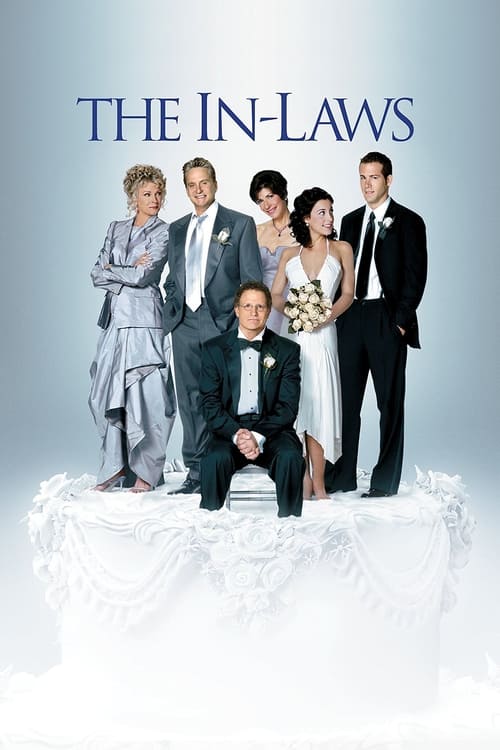
The In-Laws
Right before his daughter's wedding, a mild-mannered foot doctor discovers that his new in-laws are international smugglers.
The film struggled financially against its mid-range budget of $40.0M, earning $26.8M globally (-33% loss). While initial box office returns were modest, the film has gained appreciation for its bold vision within the action genre.


Plot Structure
Story beats plotted across runtime


Narrative Arc
Emotional journey through the story's key moments
Story Circle
Blueprint 15-beat structure
Arcplot Score Breakdown
Weighted: Precision (70%) + Arc (15%) + Theme (15%)
The In-Laws (2003) demonstrates strategically placed plot construction, characteristic of Andrew Fleming's storytelling approach. This structural analysis examines how the film's 15-point plot structure maps to proven narrative frameworks across 1 hour and 38 minutes. With an Arcplot score of 7.1, the film balances conventional beats with creative variation.
Structural Analysis
The Status Quo at 1 minutes (1% through the runtime) establishes Jerry Peyser in his orderly podiatry office, meticulously organized and risk-averse, preparing for his daughter's wedding rehearsal dinner. His controlled, predictable world is on full display.. Of particular interest, this early placement immediately immerses viewers in the story world.
The inciting incident occurs at 12 minutes when Steve reveals he's a covert CIA operative and recruits Jerry for what he claims is a simple errand to smuggle a briefcase, disrupting Jerry's safe, predictable pre-wedding routine.. At 13% through the film, this Disruption is delayed, allowing extended setup of the story world. This beat shifts the emotional landscape, launching the protagonist into the central conflict.
The First Threshold at 25 minutes marks the transition into Act II, occurring at 25% of the runtime. This shows the protagonist's commitment to Jerry makes the active choice to go along with Steve on the mission, boarding a plane or entering a dangerous situation, fully committing to the adventure despite his terror., moving from reaction to action.
At 50 minutes, the Midpoint arrives at 51% of the runtime—precisely centered, creating perfect narrative symmetry. Notably, this crucial beat False defeat: Jerry and Steve are captured by the villains or a major mission goes wrong, raising the stakes and revealing that the danger is very real. Jerry realizes he's in over his head., fundamentally raising what's at risk. The emotional intensity shifts, dividing the narrative into clear before-and-after phases.
The Collapse moment at 74 minutes (76% through) represents the emotional nadir. Here, All seems lost: the wedding may be ruined, Jerry and Steve have a falling out, or the villains gain the upper hand. Jerry hits his lowest point, feeling he should never have taken the risk., shows the protagonist at their lowest point. This beat's placement in the final quarter sets up the climactic reversal.
The Second Threshold at 78 minutes initiates the final act resolution at 80% of the runtime. Jerry has a realization: he needs to embrace the chaos and use both his cautious nature and newfound courage. He reconciles with Steve and commits to saving the day and the wedding., demonstrating the transformation achieved throughout the journey.
Emotional Journey
The In-Laws's emotional architecture traces a deliberate progression across 15 carefully calibrated beats.
Narrative Framework
This structural analysis employs a 15-point narrative structure framework that maps key story moments. By mapping The In-Laws against these established plot points, we can identify how Andrew Fleming utilizes or subverts traditional narrative conventions. The plot point approach reveals not only adherence to structural principles but also creative choices that distinguish The In-Laws within the action genre.
Andrew Fleming's Structural Approach
Among the 7 Andrew Fleming films analyzed on Arcplot, the average structural score is 7.0, demonstrating varied approaches to story architecture. The In-Laws represents one of the director's most structurally precise works. For comparative analysis, explore the complete Andrew Fleming filmography.
Comparative Analysis
Additional action films include The Bad Guys, Puss in Boots and Venom: The Last Dance. For more Andrew Fleming analyses, see The Craft, Hamlet 2 and Threesome.
Plot Points by Act
Act I
SetupStatus Quo
Jerry Peyser in his orderly podiatry office, meticulously organized and risk-averse, preparing for his daughter's wedding rehearsal dinner. His controlled, predictable world is on full display.
Theme
Steve Tobias makes a casual remark about how "you gotta take chances in life" or similar sentiment about embracing the unexpected, foreshadowing Jerry's journey from rigid control to spontaneous adventure.
Worldbuilding
Introduction to Jerry's cautious, structured life as a podiatrist, his daughter Melissa's upcoming wedding, and the first awkward meeting with Steve Tobias, his future in-law who seems charming but eccentric.
Disruption
Steve reveals he's a covert CIA operative and recruits Jerry for what he claims is a simple errand to smuggle a briefcase, disrupting Jerry's safe, predictable pre-wedding routine.
Resistance
Jerry resists and debates whether to trust Steve, tries to back out multiple times, but is gradually pulled deeper into Steve's world of espionage through persuasion and circumstance.
Act II
ConfrontationFirst Threshold
Jerry makes the active choice to go along with Steve on the mission, boarding a plane or entering a dangerous situation, fully committing to the adventure despite his terror.
Mirror World
Jerry and Steve's partnership deepens as they navigate the spy world together; their contrasting approaches (Jerry's anxiety vs Steve's confidence) illuminate the theme of control versus spontaneity.
Premise
The "fun and games" of the spy comedy: Jerry is thrust into shootouts, international intrigue, and absurd situations, discovering that Steve's life is genuinely dangerous and exciting.
Midpoint
False defeat: Jerry and Steve are captured by the villains or a major mission goes wrong, raising the stakes and revealing that the danger is very real. Jerry realizes he's in over his head.
Opposition
The villains close in, Jerry's wedding plans are in jeopardy, his family discovers some of the chaos, and the pressure mounts. Jerry's old instinct to retreat and control everything resurfaces.
Collapse
All seems lost: the wedding may be ruined, Jerry and Steve have a falling out, or the villains gain the upper hand. Jerry hits his lowest point, feeling he should never have taken the risk.
Crisis
Jerry processes the chaos and contemplates giving up, but reflects on what he's learned from Steve about taking chances. The dark night before the dawn.
Act III
ResolutionSecond Threshold
Jerry has a realization: he needs to embrace the chaos and use both his cautious nature and newfound courage. He reconciles with Steve and commits to saving the day and the wedding.
Synthesis
The finale: Jerry and Steve work together to stop the villains, rescue the wedding, and Jerry applies his newfound spontaneity. The climactic confrontation and resolution at or near the wedding.
Transformation
The wedding proceeds successfully with Jerry now relaxed and open to adventure, a transformed man who has learned to balance caution with spontaneity. The closing image mirrors the opening but shows his growth.