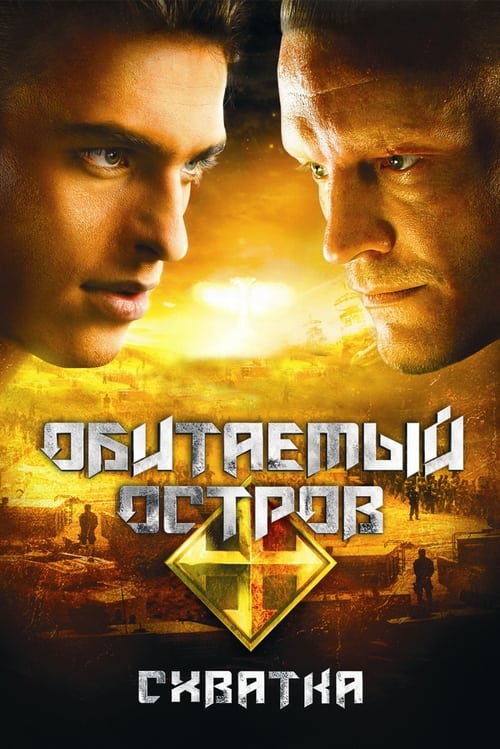
The Inhabited Island 2: Rebellion
Maxim Kammerer fights for his love and freedom. He leads a rebel movement challenging the five greedy rulers. One of the rulers, Strannik, knows how dangerous Maxim can be. He makes up his mind to stop the young man at any cost. The last close fight will decide everything.
The film earned $5.9M at the global box office.
Plot Structure
Story beats plotted across runtime


Narrative Arc
Emotional journey through the story's key moments
Story Circle
Blueprint 15-beat structure
Arcplot Score Breakdown
Weighted: Precision (70%) + Arc (15%) + Theme (15%)
The Inhabited Island 2: Rebellion (2009) demonstrates precise dramatic framework, characteristic of Fyodor Bondarchuk's storytelling approach. This structural analysis examines how the film's 15-point plot structure maps to proven narrative frameworks across 1 hour and 39 minutes. With an Arcplot score of 7.4, the film balances conventional beats with creative variation.
Structural Analysis
The Status Quo at 1 minutes (1% through the runtime) establishes Maxim is now embedded with the resistance movement, having abandoned his position in the regime's military. The population remains under mind control via radiation towers.. Notably, this early placement immediately immerses viewers in the story world.
The inciting incident occurs at 12 minutes when The regime discovers resistance activity or increases radiation levels to suppress growing unrest, forcing the underground movement to accelerate their plans or face elimination.. At 13% through the film, this Disruption is delayed, allowing extended setup of the story world. This beat shifts the emotional landscape, launching the protagonist into the central conflict.
The First Threshold at 25 minutes marks the transition into Act II, occurring at 25% of the runtime. This shows the protagonist's commitment to Maxim makes the definitive choice to lead or participate in the direct action against the radiation towers, fully committing his Earth-born abilities to the rebellion despite the personal risks., moving from reaction to action.
At 50 minutes, the Midpoint arrives at 50% of the runtime—precisely centered, creating perfect narrative symmetry. Notably, this crucial beat False victory: The resistance achieves a significant tactical success, perhaps disabling a major radiation tower or exposing the regime's lies to part of the population, but this raises the stakes and draws severe retaliation., fundamentally raising what's at risk. The emotional intensity shifts, dividing the narrative into clear before-and-after phases.
The Collapse moment at 74 minutes (75% through) represents the emotional nadir. Here, Major defeat for the resistance: a key operation fails, or a beloved ally/mentor is killed by regime forces. The whiff of death—literal loss of a comrade or metaphorical death of hope for liberation., shows the protagonist at their lowest point. This beat's placement in the final quarter sets up the climactic reversal.
The Second Threshold at 79 minutes initiates the final act resolution at 80% of the runtime. Maxim gains crucial intelligence about the central control system's vulnerability, or synthesizes his Earth knowledge with understanding of Saraksh society to devise a final plan. The resistance rallies for one decisive strike., demonstrating the transformation achieved throughout the journey.
Emotional Journey
The Inhabited Island 2: Rebellion's emotional architecture traces a deliberate progression across 15 carefully calibrated beats.
Narrative Framework
This structural analysis employs structural analysis methodology used to understand storytelling architecture. By mapping The Inhabited Island 2: Rebellion against these established plot points, we can identify how Fyodor Bondarchuk utilizes or subverts traditional narrative conventions. The plot point approach reveals not only adherence to structural principles but also creative choices that distinguish The Inhabited Island 2: Rebellion within the action genre.
Fyodor Bondarchuk's Structural Approach
Among the 5 Fyodor Bondarchuk films analyzed on Arcplot, the average structural score is 7.2, reflecting strong command of classical structure. The Inhabited Island 2: Rebellion represents one of the director's most structurally precise works. For comparative analysis, explore the complete Fyodor Bondarchuk filmography.
Comparative Analysis
Additional action films include The Ministry of Ungentlemanly Warfare, The Bad Guys and Lake Placid. For more Fyodor Bondarchuk analyses, see Attraction, The Inhabited Island and Invasion.
Plot Points by Act
Act I
SetupStatus Quo
Maxim is now embedded with the resistance movement, having abandoned his position in the regime's military. The population remains under mind control via radiation towers.
Theme
Strannik or another resistance member states the theme: that true freedom requires both the destruction of external control and the awakening of individual consciousness.
Worldbuilding
Establishment of the resistance network, the radiation tower system, Maxim's relationships with Guy Gaal and other rebels, and the regime's control mechanisms. Shows the scope of the Unknown Fathers' totalitarian power.
Disruption
The regime discovers resistance activity or increases radiation levels to suppress growing unrest, forcing the underground movement to accelerate their plans or face elimination.
Resistance
The resistance debates tactics and timing. Maxim receives guidance from Strannik and other leaders about the true nature of Saraksh's control system. Planning phase for the assault on the radiation infrastructure.
Act II
ConfrontationFirst Threshold
Maxim makes the definitive choice to lead or participate in the direct action against the radiation towers, fully committing his Earth-born abilities to the rebellion despite the personal risks.
Mirror World
A key relationship moment with Guy Gaal or a romantic interest that reinforces the theme of human connection versus authoritarian control, showing what they're fighting for beyond mere survival.
Premise
The resistance executes operations against the regime. Maxim uses his superior strength and immunity to radiation to sabotage control systems. Action sequences showcasing guerrilla warfare and the promise of liberation.
Midpoint
False victory: The resistance achieves a significant tactical success, perhaps disabling a major radiation tower or exposing the regime's lies to part of the population, but this raises the stakes and draws severe retaliation.
Opposition
The Unknown Fathers' security forces intensify their crackdown. The regime increases radiation levels and hunts the resistance. Internal conflicts emerge about strategy. Maxim's advantages are countered by overwhelming force.
Collapse
Major defeat for the resistance: a key operation fails, or a beloved ally/mentor is killed by regime forces. The whiff of death—literal loss of a comrade or metaphorical death of hope for liberation.
Crisis
Maxim processes the loss and confronts despair. The resistance seems broken. Dark night of the soul where he questions whether freedom is possible for a population conditioned to servitude.
Act III
ResolutionSecond Threshold
Maxim gains crucial intelligence about the central control system's vulnerability, or synthesizes his Earth knowledge with understanding of Saraksh society to devise a final plan. The resistance rallies for one decisive strike.
Synthesis
The final assault on the radiation control infrastructure. Maxim combines his physical abilities with the resistance's knowledge to penetrate the regime's defenses. Climactic confrontation with the Unknown Fathers' forces and the system itself.
Transformation
The population begins to awaken from mind control as the radiation towers fall. Maxim, no longer just a stranded outsider, has become a catalyst for Saraksh's transformation. The closing image shows the beginning of true freedom.