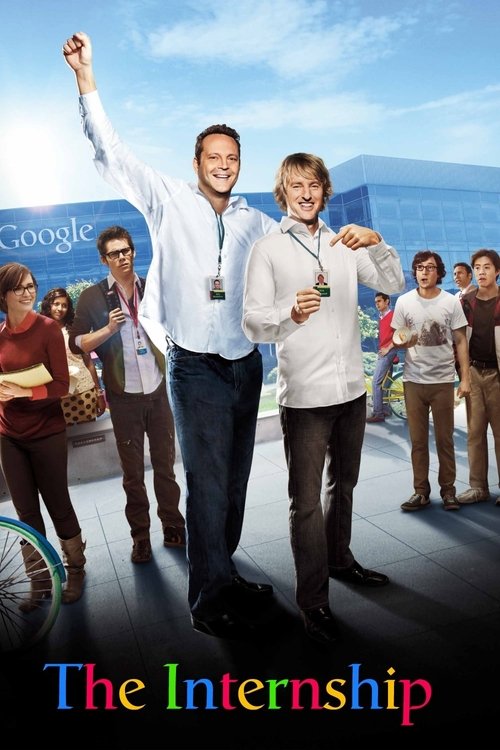
The Internship
Two recently laid-off men in their 40s try to make it as interns at a successful Internet company where their managers are in their 20s.
The film struggled financially against its mid-range budget of $58.0M, earning $44.0M globally (-24% loss).


Plot Structure
Story beats plotted across runtime


Narrative Arc
Emotional journey through the story's key moments
Story Circle
Blueprint 15-beat structure
Arcplot Score Breakdown
Weighted: Precision (70%) + Arc (15%) + Theme (15%)
The Internship (2013) demonstrates carefully calibrated narrative design, characteristic of Shawn Levy's storytelling approach. This structural analysis examines how the film's 15-point plot structure maps to proven narrative frameworks across 1 hour and 59 minutes. With an Arcplot score of 6.9, the film balances conventional beats with creative variation.
Structural Analysis
The Status Quo at 1 minutes (1% through the runtime) establishes Billy and Nick are successful watch salesmen, full of confidence and charm, closing deals with their old-school people skills and fast talk.. Significantly, this early placement immediately immerses viewers in the story world.
The inciting incident occurs at 13 minutes when Their watch company shuts down permanently. Billy and Nick are unemployed and obsolete in the modern digital economy with no clear path forward.. At 11% through the film, this Disruption aligns precisely with traditional story structure. This beat shifts the emotional landscape, launching the protagonist into the central conflict.
The First Threshold at 28 minutes marks the transition into Act II, occurring at 23% of the runtime. This reveals the protagonist's commitment to Billy and Nick arrive at Google headquarters for the internship program, actively choosing to enter this new world of technology and young digital natives despite being completely out of their element., moving from reaction to action.
At 60 minutes, the Midpoint arrives at 50% of the runtime—precisely centered, creating perfect narrative symmetry. Structural examination shows that this crucial beat The team wins a major challenge (Quidditch match), proving their approach works. Billy and Nick seem to have found their groove, the team is bonding, and they rise from last place. False victory - stakes now raised as they become real contenders., fundamentally raising what's at risk. The emotional intensity shifts, dividing the narrative into clear before-and-after phases.
The Collapse moment at 88 minutes (74% through) represents the emotional nadir. Here, The team fails badly at a critical challenge. Billy's lies about his past are exposed. Nick abandons the team to pursue the sales job. The team disbands, dreams die, and Billy is left alone having lost his best friend and his last chance., demonstrates the protagonist at their lowest point. This beat's placement in the final quarter sets up the climactic reversal.
The Second Threshold at 93 minutes initiates the final act resolution at 78% of the runtime. Nick returns, reuniting with Billy. Stuart stands up to his mother. The team reassembles with new understanding: they need both old-school human skills AND new-school technical ability. They synthesize both approaches., demonstrating the transformation achieved throughout the journey.
Emotional Journey
The Internship's emotional architecture traces a deliberate progression across 15 carefully calibrated beats.
Narrative Framework
This structural analysis employs systematic plot point analysis that identifies crucial turning points. By mapping The Internship against these established plot points, we can identify how Shawn Levy utilizes or subverts traditional narrative conventions. The plot point approach reveals not only adherence to structural principles but also creative choices that distinguish The Internship within the comedy genre.
Shawn Levy's Structural Approach
Among the 14 Shawn Levy films analyzed on Arcplot, the average structural score is 7.1, reflecting strong command of classical structure. The Internship takes a more unconventional approach compared to the director's typical style. For comparative analysis, explore the complete Shawn Levy filmography.
Comparative Analysis
Additional comedy films include The Bad Guys, Ella Enchanted and The Evening Star. For more Shawn Levy analyses, see Night at the Museum: Secret of the Tomb, This Is Where I Leave You and Free Guy.
Plot Points by Act
Act I
SetupStatus Quo
Billy and Nick are successful watch salesmen, full of confidence and charm, closing deals with their old-school people skills and fast talk.
Theme
After being laid off, someone mentions "You can't teach an old dog new tricks" - but the film will prove that adaptability and human connection trump pure technical skill.
Worldbuilding
Establishment of Billy and Nick's world: their partnership, their outdated skills in a digital age, their company going out of business, and their struggles to find new jobs in a changed economy.
Disruption
Their watch company shuts down permanently. Billy and Nick are unemployed and obsolete in the modern digital economy with no clear path forward.
Resistance
Billy and Nick struggle with unemployment. Nick tries mattress sales, Billy has the crazy idea of applying to Google's internship program. Nick resists, but Billy convinces him this is their shot.
Act II
ConfrontationFirst Threshold
Billy and Nick arrive at Google headquarters for the internship program, actively choosing to enter this new world of technology and young digital natives despite being completely out of their element.
Mirror World
The team is formed with their young outcasts (Lyle, Stuart, Yo-Yo, Neha). These brilliant but socially awkward kids represent what Billy and Nick lack (tech skills) while lacking what Billy and Nick have (people skills).
Premise
The fun and games of two middle-aged analog guys navigating Google's digital world. Competing in challenges, failing at technology, but slowly connecting with their team through human skills and building confidence.
Midpoint
The team wins a major challenge (Quidditch match), proving their approach works. Billy and Nick seem to have found their groove, the team is bonding, and they rise from last place. False victory - stakes now raised as they become real contenders.
Opposition
Pressure intensifies. The rival team led by Graham sabotages them. Doubts creep in about whether they belong. Nick pursues a relationship with Dana. The team's weaknesses are exposed in technical challenges, and the age/skill gap becomes more apparent.
Collapse
The team fails badly at a critical challenge. Billy's lies about his past are exposed. Nick abandons the team to pursue the sales job. The team disbands, dreams die, and Billy is left alone having lost his best friend and his last chance.
Crisis
Billy processes the loss alone. Nick realizes the sales job represents his old life and isn't what he needs. The team members separately reflect on what they learned and what they're giving up.
Act III
ResolutionSecond Threshold
Nick returns, reuniting with Billy. Stuart stands up to his mother. The team reassembles with new understanding: they need both old-school human skills AND new-school technical ability. They synthesize both approaches.
Synthesis
The final challenge. The team combines their technical skills with Billy and Nick's people skills and creative thinking. They present their app idea that bridges human connection with technology, embodying the film's theme.
Transformation
The team celebrates their victory with jobs at Google. Billy and Nick, once obsolete salesmen, are now valued Googlers who proved that experience and human skills matter in the digital age. They've adapted without losing themselves.