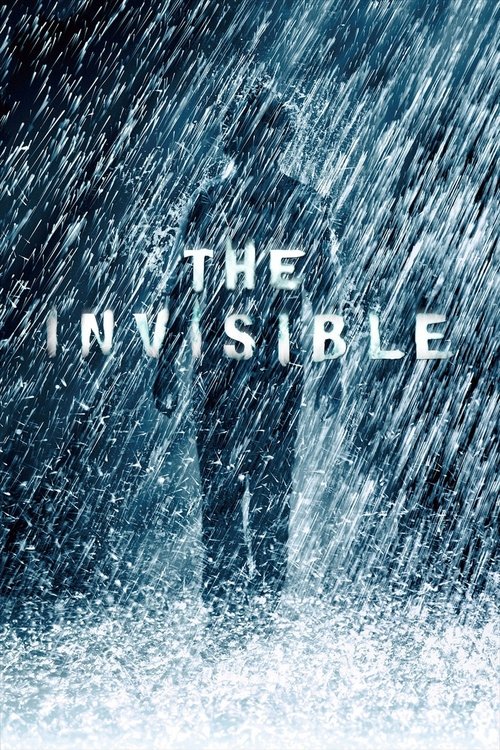
The Invisible
After an attack leaves him in limbo -- invisible to the living and also near death -- a teenager discovers the only person who might be able help him is his attacker.
The film underperformed commercially against its moderate budget of $30.0M, earning $26.8M globally (-11% loss).


Plot Structure
Story beats plotted across runtime


Narrative Arc
Emotional journey through the story's key moments
Story Circle
Blueprint 15-beat structure
Arcplot Score Breakdown
Weighted: Precision (70%) + Arc (15%) + Theme (15%)
The Invisible (2007) exemplifies deliberately positioned story structure, characteristic of David S. Goyer's storytelling approach. This structural analysis examines how the film's 15-point plot structure maps to proven narrative frameworks across 1 hour and 42 minutes. With an Arcplot score of 7.4, the film balances conventional beats with creative variation.
Structural Analysis
The Status Quo at 1 minutes (1% through the runtime) establishes Nick Powell is introduced as a privileged high school senior with a bright future, planning to attend a prestigious London writing program despite his mother's objections. He appears to have everything but feels disconnected and trapped by expectations.. The analysis reveals that this early placement immediately immerses viewers in the story world.
The inciting incident occurs at 12 minutes when Annie's theft operation goes wrong when she's caught with stolen goods. She believes Nick snitched on her, setting in motion the chain of events that will lead to his attack. The worlds of Nick and Annie collide with violent consequences brewing.. At 12% through the film, this Disruption aligns precisely with traditional story structure. This beat shifts the emotional landscape, launching the protagonist into the central conflict.
The First Threshold at 26 minutes marks the transition into Act II, occurring at 25% of the runtime. This demonstrates the protagonist's commitment to Nick wakes up the morning after the attack and returns home, only to discover no one can see or hear him. He realizes he's trapped between life and death—his body lies dying somewhere while his spirit walks among the living, desperately searching for a way back., moving from reaction to action.
At 51 minutes, the Midpoint arrives at 50% of the runtime—precisely centered, creating perfect narrative symmetry. Significantly, this crucial beat Nick finally makes contact with Annie, who realizes he's not dead but dying somewhere. However, this false hope turns to false defeat when Annie's fear of consequences and her unstable mental state make her resist helping him. The police investigation intensifies, pointing toward Annie., fundamentally raising what's at risk. The emotional intensity shifts, dividing the narrative into clear before-and-after phases.
The Collapse moment at 77 minutes (75% through) represents the emotional nadir. Here, Nick's body is discovered in the drainage tunnel, barely alive but fading fast. At the hospital, doctors give him almost no chance of survival. Nick watches his mother break down, realizing he may have waited too long. Annie, consumed by guilt, seems ready to let him die rather than face justice., indicates the protagonist at their lowest point. This beat's placement in the final quarter sets up the climactic reversal.
The Second Threshold at 82 minutes initiates the final act resolution at 80% of the runtime. Annie makes the choice to confess and help save Nick, not for herself but because she finally sees him—truly sees another person's humanity. Nick realizes that understanding Annie, his would-be killer, has transformed him. Forgiveness becomes possible., demonstrating the transformation achieved throughout the journey.
Emotional Journey
The Invisible's emotional architecture traces a deliberate progression across 15 carefully calibrated beats.
Narrative Framework
This structural analysis employs a 15-point narrative structure framework that maps key story moments. By mapping The Invisible against these established plot points, we can identify how David S. Goyer utilizes or subverts traditional narrative conventions. The plot point approach reveals not only adherence to structural principles but also creative choices that distinguish The Invisible within the fantasy genre.
David S. Goyer's Structural Approach
Among the 2 David S. Goyer films analyzed on Arcplot, the average structural score is 7.1, reflecting strong command of classical structure. The Invisible represents one of the director's most structurally precise works. For comparative analysis, explore the complete David S. Goyer filmography.
Comparative Analysis
Additional fantasy films include Thinner, Ella Enchanted and Conan the Barbarian. For more David S. Goyer analyses, see The Unborn.
Plot Points by Act
Act I
SetupStatus Quo
Nick Powell is introduced as a privileged high school senior with a bright future, planning to attend a prestigious London writing program despite his mother's objections. He appears to have everything but feels disconnected and trapped by expectations.
Theme
Nick's friend Pete comments that people only see what they want to see, not who someone really is underneath. This foreshadows Nick's journey of becoming literally invisible and discovering the truth about others and himself.
Worldbuilding
We meet Nick's world: his controlling mother, his best friend Pete, his girlfriend, and the parallel world of troubled Annie Newton who runs a theft ring at school. The contrast between Nick's privileged existence and Annie's chaotic, violent life is established.
Disruption
Annie's theft operation goes wrong when she's caught with stolen goods. She believes Nick snitched on her, setting in motion the chain of events that will lead to his attack. The worlds of Nick and Annie collide with violent consequences brewing.
Resistance
Annie confronts Nick about the supposed betrayal. Despite his innocence, she refuses to believe him. Nick debates whether to run or face the situation, ultimately trying to leave town for London. Annie and her crew intercept him, leading to a brutal beating in the woods.
Act II
ConfrontationFirst Threshold
Nick wakes up the morning after the attack and returns home, only to discover no one can see or hear him. He realizes he's trapped between life and death—his body lies dying somewhere while his spirit walks among the living, desperately searching for a way back.
Mirror World
Nick discovers he can make Annie sense his presence when her emotions are heightened. Their connection becomes the thematic heart—two people who felt invisible in different ways now literally bound together. Annie, the one who "killed" him, becomes his only hope for salvation.
Premise
Nick explores his ghostly existence, trying to communicate with the living world. He follows Annie, learning the truth about her troubled life and her own invisibility—abused at home, dismissed by society. He witnesses her guilt and complexity while desperately trying to lead someone to his dying body.
Midpoint
Nick finally makes contact with Annie, who realizes he's not dead but dying somewhere. However, this false hope turns to false defeat when Annie's fear of consequences and her unstable mental state make her resist helping him. The police investigation intensifies, pointing toward Annie.
Opposition
Time runs out as Nick's body weakens. Annie is torn between self-preservation and guilt. Detective Larson closes in on the truth. Annie's accomplices pressure her to stay silent. Nick watches helplessly as Annie spirals, unable to face what she's done while his life slips away.
Collapse
Nick's body is discovered in the drainage tunnel, barely alive but fading fast. At the hospital, doctors give him almost no chance of survival. Nick watches his mother break down, realizing he may have waited too long. Annie, consumed by guilt, seems ready to let him die rather than face justice.
Crisis
Nick confronts his own death and the life he took for granted. He sees how his mother truly loved him despite their conflicts. Annie faces her demons, the abuse she suffered, the cycle of violence she perpetuates. Both characters sit in their darkest moments of reckoning.
Act III
ResolutionSecond Threshold
Annie makes the choice to confess and help save Nick, not for herself but because she finally sees him—truly sees another person's humanity. Nick realizes that understanding Annie, his would-be killer, has transformed him. Forgiveness becomes possible.
Synthesis
Annie leads police to the crime scene and confesses everything. Emergency surgery is performed on Nick. Annie is arrested but finds a measure of peace in doing the right thing. Nick fights for his life as the doctors work to save him, his spirit watching, waiting to see if he'll return to his body.
Transformation
Nick awakens in the hospital, alive. The boy who felt invisible despite having everything now truly sees the world and people around him. He visits Annie in custody, showing her that she too can be seen—offering forgiveness and human connection. Both are transformed through their supernatural bond.