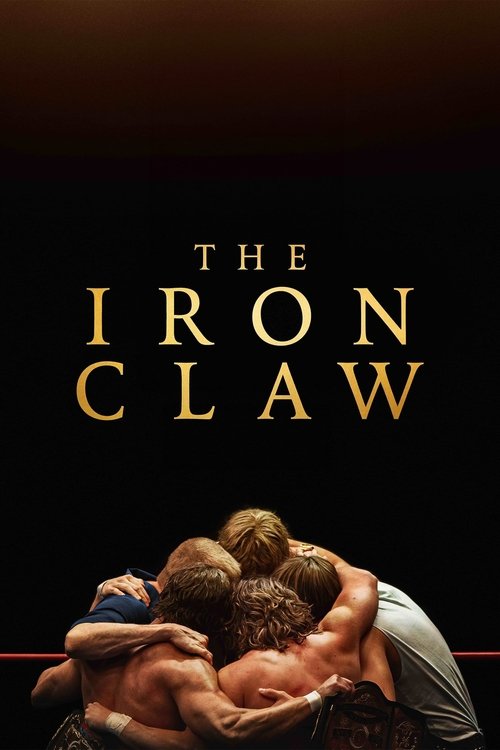
The Iron Claw
The true story of the inseparable Von Erich brothers, who made history in the intensely competitive world of professional wrestling in the early 1980s. Through tragedy and triumph, under the shadow of their domineering father and coach, the brothers seek larger-than-life immortality on the biggest stage in sports.
Despite a mid-range budget of $15.9M, The Iron Claw became a financial success, earning $40.1M worldwide—a 152% return.
4 wins & 42 nominations


Plot Structure
Story beats plotted across runtime


Narrative Arc
Emotional journey through the story's key moments
Story Circle
Blueprint 15-beat structure
Arcplot Score Breakdown
Weighted: Precision (70%) + Arc (15%) + Theme (15%)
The Iron Claw (2023) reveals strategically placed plot construction, characteristic of Sean Durkin's storytelling approach. This structural analysis examines how the film's 15-point plot structure maps to proven narrative frameworks across 2 hours and 12 minutes. With an Arcplot score of 7.2, the film balances conventional beats with creative variation.
Structural Analysis
The Status Quo at 2 minutes (2% through the runtime) establishes Kevin Von Erich training alone in the family gym, establishing the world of professional wrestling and the Von Erich legacy. The brothers are unified, all alive, representing the "before" state.. The analysis reveals that this early placement immediately immerses viewers in the story world.
The inciting incident occurs at 17 minutes when Kevin meets Pam at a bar. This introduces the possibility of life outside wrestling and family obligation—a disruption to the status quo of complete dedication to the family business.. At 13% through the film, this Disruption is delayed, allowing extended setup of the story world. This beat shifts the emotional landscape, launching the protagonist into the central conflict.
The First Threshold at 32 minutes marks the transition into Act II, occurring at 24% of the runtime. This demonstrates the protagonist's commitment to Kevin proposes to Pam, choosing to commit to a life beyond just wrestling. This is his active choice to pursue personal happiness despite Fritz's disapproval of distractions., moving from reaction to action.
At 64 minutes, the Midpoint arrives at 49% of the runtime—precisely centered, creating perfect narrative symmetry. Significantly, this crucial beat David dies suddenly in Japan from acute enteritis. This false defeat shatters the family's trajectory. The midpoint raises stakes catastrophically—the curse becomes real, and the fun and games are over., fundamentally raising what's at risk. The emotional intensity shifts, dividing the narrative into clear before-and-after phases.
The Collapse moment at 97 minutes (74% through) represents the emotional nadir. Here, Mike dies by suicide. This is the all-is-lost moment with a literal whiff of death. Kevin discovers his youngest brother's body, representing the complete failure of his attempts to protect his family from the curse., reveals the protagonist at their lowest point. This beat's placement in the final quarter sets up the climactic reversal.
The Second Threshold at 104 minutes initiates the final act resolution at 79% of the runtime. Pam intervenes, telling Kevin he needs to choose life—for her, for their children. This breakthrough moment synthesizes what Pam has been teaching: that breaking the cycle means choosing family (wife and children) over legacy (Fritz's expectations)., demonstrating the transformation achieved throughout the journey.
Emotional Journey
The Iron Claw's emotional architecture traces a deliberate progression across 15 carefully calibrated beats.
Narrative Framework
This structural analysis employs structural analysis methodology used to understand storytelling architecture. By mapping The Iron Claw against these established plot points, we can identify how Sean Durkin utilizes or subverts traditional narrative conventions. The plot point approach reveals not only adherence to structural principles but also creative choices that distinguish The Iron Claw within the history genre.
Comparative Analysis
Additional history films include The Attacks Of 26/11, Joyeux Noel and Rob Roy.
Plot Points by Act
Act I
SetupStatus Quo
Kevin Von Erich training alone in the family gym, establishing the world of professional wrestling and the Von Erich legacy. The brothers are unified, all alive, representing the "before" state.
Theme
Fritz Von Erich tells his sons: "We're Von Erichs. We don't get to be like everybody else." This establishes the thematic burden of family legacy and the cost of living up to impossible expectations.
Worldbuilding
Introduction to the Von Erich family dynamics: Fritz's domineering control, the brothers' bond (Kevin, David, Kerry, Mike), their mother Doris's quiet suffering, and the wrestling world of early 1980s Texas. Establishes the "Von Erich curse" mythology.
Disruption
Kevin meets Pam at a bar. This introduces the possibility of life outside wrestling and family obligation—a disruption to the status quo of complete dedication to the family business.
Resistance
Kevin navigates between his growing relationship with Pam and his wrestling career. The brothers rise in prominence. Kevin debates whether he can have both a personal life and meet his father's expectations. David is positioned as Fritz's favorite.
Act II
ConfrontationFirst Threshold
Kevin proposes to Pam, choosing to commit to a life beyond just wrestling. This is his active choice to pursue personal happiness despite Fritz's disapproval of distractions.
Mirror World
Kevin and Pam's wedding and early marriage. Pam represents the thematic counterpoint—normalcy, unconditional love, life outside the curse. She will teach Kevin what he truly needs: permission to be human.
Premise
The promise of the premise: the Von Erich brothers at their peak. All four brothers wrestling, family unity, sold-out shows, championship pursuits. Kevin balances fatherhood with wrestling. This is the "glory days" the audience came to see.
Midpoint
David dies suddenly in Japan from acute enteritis. This false defeat shatters the family's trajectory. The midpoint raises stakes catastrophically—the curse becomes real, and the fun and games are over.
Opposition
The family fractures under grief. Fritz becomes more controlling and emotionally abusive. Kerry gets his championship shot but turns to drugs. Mike is pressured into wrestling despite not wanting it. Kevin tries to hold everyone together while suppressing his own pain.
Collapse
Mike dies by suicide. This is the all-is-lost moment with a literal whiff of death. Kevin discovers his youngest brother's body, representing the complete failure of his attempts to protect his family from the curse.
Crisis
Kevin spirals into dark night of the soul. He contemplates suicide himself. Kerry also deteriorates (leading to his own later suicide). Kevin processes the unbearable weight of survivor's guilt and the realization that he cannot save everyone.
Act III
ResolutionSecond Threshold
Pam intervenes, telling Kevin he needs to choose life—for her, for their children. This breakthrough moment synthesizes what Pam has been teaching: that breaking the cycle means choosing family (wife and children) over legacy (Fritz's expectations).
Synthesis
Kevin confronts Fritz, rejecting the curse and his father's control. After Kerry's suicide, Kevin fully commits to his own family. He steps away from wrestling and the toxic pursuit of his father's approval. He chooses to be the father Fritz never was.
Transformation
Kevin, now older, plays with his grown sons in a field—the same sons we saw as children earlier. He has broken the curse by choosing love over legacy. The closing image mirrors the opening training scene but shows transformation: family joy instead of family burden.