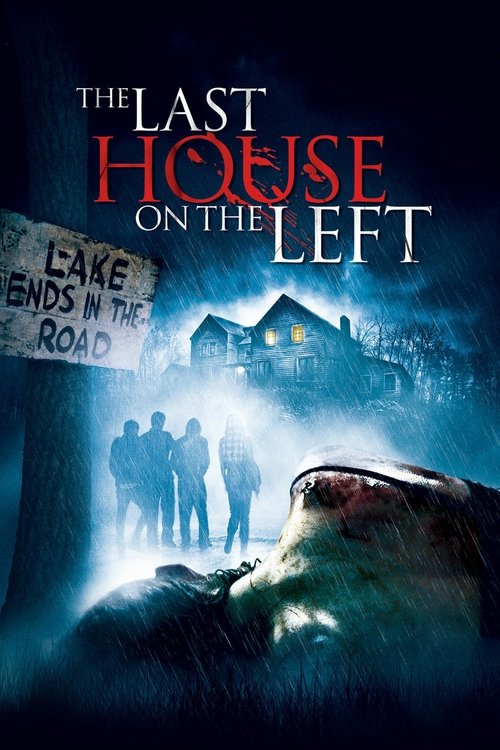
The Last House on the Left
When athletic teen Mari Collingwood opts to hang out with her friend Paige in town rather than spend an evening in with her parents vacationing at the family's remote lake house, it marks the beginning of a night no one is going to forget.
Despite a moderate budget of $15.0M, The Last House on the Left became a commercial success, earning $32.7M worldwide—a 118% return.
1 win & 8 nominations


Plot Structure
Story beats plotted across runtime


Narrative Arc
Emotional journey through the story's key moments
Story Circle
Blueprint 15-beat structure
Arcplot Score Breakdown
Weighted: Precision (70%) + Arc (15%) + Theme (15%)
The Last House on the Left (2009) exemplifies precise dramatic framework, characteristic of Dennis Iliadis's storytelling approach. This structural analysis examines how the film's 15-point plot structure maps to proven narrative frameworks across 1 hour and 53 minutes. With an Arcplot score of 7.3, the film balances conventional beats with creative variation.
Structural Analysis
The Status Quo at 2 minutes (2% through the runtime) establishes The Collingwood family arrives at their peaceful lake house for a vacation. Mari and her parents appear happy and close, establishing their loving family dynamic before disruption.. Significantly, this early placement immediately immerses viewers in the story world.
The inciting incident occurs at 13 minutes when Mari and Paige encounter Justin at a motel and are lured to his room. His father Krug and accomplices appear, revealing the girls have walked into a trap with violent criminals.. At 11% through the film, this Disruption aligns precisely with traditional story structure. This beat shifts the emotional landscape, launching the protagonist into the central conflict.
The First Threshold at 27 minutes marks the transition into Act II, occurring at 24% of the runtime. This illustrates the protagonist's commitment to The violent assault and attack on Mari and Paige begins in the woods. This irreversible act of brutality crosses the point of no return, transforming the narrative from thriller to revenge story., moving from reaction to action.
At 54 minutes, the Midpoint arrives at 48% of the runtime—precisely centered, creating perfect narrative symmetry. Significantly, this crucial beat John and Emma discover their brutalized daughter Mari barely alive outside. The false world where they were gracious hosts collapses. They now know the truth about their guests and the stakes become life and death., fundamentally raising what's at risk. The emotional intensity shifts, dividing the narrative into clear before-and-after phases.
The Collapse moment at 81 minutes (71% through) represents the emotional nadir. Here, The criminals discover Mari is alive and in the house. The parents' plan is exposed and direct violent confrontation becomes inevitable. The illusion of control dies, replaced by primal survival., indicates the protagonist at their lowest point. This beat's placement in the final quarter sets up the climactic reversal.
The Second Threshold at 89 minutes initiates the final act resolution at 79% of the runtime. John and Emma fully commit to revenge without hesitation or mercy. They synthesize their civilized knowledge (medical skills, tools, home advantage) with primal protective instinct to hunt their enemies., demonstrating the transformation achieved throughout the journey.
Emotional Journey
The Last House on the Left's emotional architecture traces a deliberate progression across 15 carefully calibrated beats.
Narrative Framework
This structural analysis employs structural analysis methodology used to understand storytelling architecture. By mapping The Last House on the Left against these established plot points, we can identify how Dennis Iliadis utilizes or subverts traditional narrative conventions. The plot point approach reveals not only adherence to structural principles but also creative choices that distinguish The Last House on the Left within the crime genre.
Comparative Analysis
Additional crime films include The Bad Guys, Rustom and The Whole Ten Yards.
Plot Points by Act
Act I
SetupStatus Quo
The Collingwood family arrives at their peaceful lake house for a vacation. Mari and her parents appear happy and close, establishing their loving family dynamic before disruption.
Theme
Mari's father John tells her to "be safe" and discusses trust. The theme of how far parents will go to protect their children is subtly introduced through family conversation.
Worldbuilding
We meet Mari as a teenage girl recovering from an illness, her protective parents John and Emma, and establish the remote lake house setting. Mari connects with friend Paige and they plan to go into town.
Disruption
Mari and Paige encounter Justin at a motel and are lured to his room. His father Krug and accomplices appear, revealing the girls have walked into a trap with violent criminals.
Resistance
The criminals take the girls captive and drive them into the woods. The situation escalates from uncomfortable to terrifying as the true danger becomes clear. Meanwhile, the parents remain unaware at the lake house.
Act II
ConfrontationFirst Threshold
The violent assault and attack on Mari and Paige begins in the woods. This irreversible act of brutality crosses the point of no return, transforming the narrative from thriller to revenge story.
Mirror World
Justin, Krug's son, shows moral conflict and helps Mari escape to the lake. He represents the possibility of humanity within evil, mirroring the parents' future moral choices about revenge versus civilization.
Premise
Mari is left for dead and crawls toward home. The criminals seek shelter from the storm and unknowingly arrive at the Collingwood house. The premise delivers its horrible irony: the predators and the parents in the same house.
Midpoint
John and Emma discover their brutalized daughter Mari barely alive outside. The false world where they were gracious hosts collapses. They now know the truth about their guests and the stakes become life and death.
Opposition
The parents work to save Mari's life while maintaining the facade that they don't know who their guests are. Tension builds as they plan their revenge, gathering weapons and preparing to become killers themselves.
Collapse
The criminals discover Mari is alive and in the house. The parents' plan is exposed and direct violent confrontation becomes inevitable. The illusion of control dies, replaced by primal survival.
Crisis
John and Emma face the darkest moment as they must become the very thing they fear to protect what remains of their family. They cross moral boundaries they never imagined, descending into savagery.
Act III
ResolutionSecond Threshold
John and Emma fully commit to revenge without hesitation or mercy. They synthesize their civilized knowledge (medical skills, tools, home advantage) with primal protective instinct to hunt their enemies.
Synthesis
The final confrontation plays out as the parents systematically kill the attackers using brutal methods. Emma kills Sadie, John kills Francis, and finally John kills Krug using a microwave in a horrifically creative execution.
Transformation
John and Emma sit bloodied in their destroyed home with Mari alive but forever changed. The closing image mirrors the opening's peaceful family, but transformed: they are survivors who have seen and done the unthinkable.