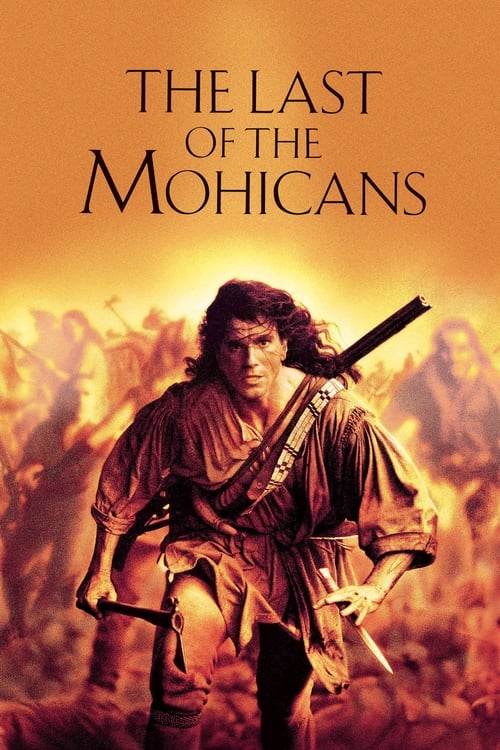
The Last of the Mohicans
In war-torn colonial America, in the midst of a bloody battle between British, the French and Native American allies, the aristocratic daughter of a British Colonel and her party are captured by a group of Huron warriors. Fortunately, a group of three Mohican trappers comes to their rescue.
Working with a mid-range budget of $40.0M, the film achieved a steady performer with $75.5M in global revenue (+89% profit margin).
1 Oscar. 7 wins & 17 nominations


Plot Structure
Story beats plotted across runtime


Narrative Arc
Emotional journey through the story's key moments
Story Circle
Blueprint 15-beat structure
Arcplot Score Breakdown
Weighted: Precision (70%) + Arc (15%) + Theme (15%)
The Last of the Mohicans (1992) demonstrates strategically placed story structure, characteristic of Michael Mann's storytelling approach. This structural analysis examines how the film's 15-point plot structure maps to proven narrative frameworks across 1 hour and 52 minutes. With an Arcplot score of 6.5, the film balances conventional beats with creative variation.
Structural Analysis
The Status Quo at 1 minutes (1% through the runtime) establishes Hawkeye, Chingachgook, and Uncas hunt deer through the primeval forest, moving as one with the wilderness—free men living by their own code outside colonial society.. Of particular interest, this early placement immediately immerses viewers in the story world.
The inciting incident occurs at 13 minutes when Magua leads a Huron war party to ambush the British column escorting Cora and Alice Munro. The massacre erupts without warning, shattering the veneer of civilized warfare and revealing Magua's murderous vendetta against Colonel Munro.. At 12% through the film, this Disruption aligns precisely with traditional story structure. This beat shifts the emotional landscape, launching the protagonist into the central conflict.
The First Threshold at 28 minutes marks the transition into Act II, occurring at 25% of the runtime. This illustrates the protagonist's commitment to The group arrives at Fort William Henry to find it under French siege. Hawkeye chooses to enter the doomed fortress with Cora rather than remain free in the forest—crossing from his world of freedom into a world of military duty and impossible choices., moving from reaction to action.
At 56 minutes, the Midpoint arrives at 50% of the runtime—precisely centered, creating perfect narrative symmetry. Structural examination shows that this crucial beat Colonel Munro surrenders the fort under terms of safe passage. This false victory immediately turns to disaster as Magua's warriors attack the British column during the withdrawal, massacring soldiers and civilians in a scene of horrific betrayal., fundamentally raising what's at risk. The emotional intensity shifts, dividing the narrative into clear before-and-after phases.
The Collapse moment at 84 minutes (75% through) represents the emotional nadir. Here, At the Huron village, the sachem condemns Alice to be Magua's wife and Cora to be burned alive. Heyward offers himself in Cora's place and is accepted—a noble sacrifice that cannot save everyone. The whiff of death hangs over all., illustrates the protagonist at their lowest point. This beat's placement in the final quarter sets up the climactic reversal.
The Second Threshold at 90 minutes initiates the final act resolution at 80% of the runtime. Hawkeye, Cora, Chingachgook, and Uncas pursue Magua up the mountain. The chase becomes a final reckoning—not just rescue but confrontation with death itself, as the last of the Mohicans race to determine who will survive., demonstrating the transformation achieved throughout the journey.
Emotional Journey
The Last of the Mohicans's emotional architecture traces a deliberate progression across 15 carefully calibrated beats.
Narrative Framework
This structural analysis employs a 15-point narrative structure framework that maps key story moments. By mapping The Last of the Mohicans against these established plot points, we can identify how Michael Mann utilizes or subverts traditional narrative conventions. The plot point approach reveals not only adherence to structural principles but also creative choices that distinguish The Last of the Mohicans within the action genre.
Michael Mann's Structural Approach
Among the 10 Michael Mann films analyzed on Arcplot, the average structural score is 6.5, demonstrating varied approaches to story architecture. The Last of the Mohicans takes a more unconventional approach compared to the director's typical style. For comparative analysis, explore the complete Michael Mann filmography.
Comparative Analysis
Additional action films include The Bad Guys, Puss in Boots and Venom: The Last Dance. For more Michael Mann analyses, see Collateral, Ferrari and The Insider.
Plot Points by Act
Act I
SetupStatus Quo
Hawkeye, Chingachgook, and Uncas hunt deer through the primeval forest, moving as one with the wilderness—free men living by their own code outside colonial society.
Theme
At the Cameron cabin, John Cameron states the settlers' position: they will not fight for the Crown far from their homes while their families remain unprotected—foreshadowing the central conflict between duty to empire and loyalty to one's own.
Worldbuilding
The colonial frontier is established: British forces recruiting reluctant colonists, the French and Indian War creating deadly tensions, Huron warriors allied with the French, and the Mohican family navigating between worlds.
Disruption
Magua leads a Huron war party to ambush the British column escorting Cora and Alice Munro. The massacre erupts without warning, shattering the veneer of civilized warfare and revealing Magua's murderous vendetta against Colonel Munro.
Resistance
Hawkeye, Chingachgook, and Uncas rescue the Munro sisters and Major Heyward from the ambush. They guide them through hostile territory toward Fort William Henry, with Hawkeye serving as literal guide through both wilderness and the moral complexities of frontier life.
Act II
ConfrontationFirst Threshold
The group arrives at Fort William Henry to find it under French siege. Hawkeye chooses to enter the doomed fortress with Cora rather than remain free in the forest—crossing from his world of freedom into a world of military duty and impossible choices.
Mirror World
Cora and Hawkeye's connection deepens as she witnesses him defy military authority to help colonists escape to protect their families. She sees in him a man who follows his own moral code—the thematic counterpoint to the rigid duty demanded by her father's world.
Premise
Life under siege at Fort William Henry: the growing love between Hawkeye and Cora, between Uncas and Alice, Hawkeye's conflict with military authority, and the revelation of Magua's personal vendetta against Colonel Munro for the death of his children.
Midpoint
Colonel Munro surrenders the fort under terms of safe passage. This false victory immediately turns to disaster as Magua's warriors attack the British column during the withdrawal, massacring soldiers and civilians in a scene of horrific betrayal.
Opposition
Magua captures Cora, Alice, and Heyward. Hawkeye, condemned to hang for sedition, escapes with his father and brother. They pursue Magua through the wilderness as he takes his captives to the Huron village, where tribal judgment will decide their fate.
Collapse
At the Huron village, the sachem condemns Alice to be Magua's wife and Cora to be burned alive. Heyward offers himself in Cora's place and is accepted—a noble sacrifice that cannot save everyone. The whiff of death hangs over all.
Crisis
Hawkeye must watch Heyward burned alive, unable to save him except by mercifully shooting him. The Mohicans prepare for the desperate final pursuit of Magua, who flees with Alice toward the mountain cliffs.
Act III
ResolutionSecond Threshold
Hawkeye, Cora, Chingachgook, and Uncas pursue Magua up the mountain. The chase becomes a final reckoning—not just rescue but confrontation with death itself, as the last of the Mohicans race to determine who will survive.
Synthesis
The climactic pursuit up the cliffs. Uncas fights Magua and is killed. Alice, seeing Uncas dead and facing life with Magua, steps off the cliff to her death. Chingachgook avenges his son by killing Magua in single combat with his war club.
Transformation
Chingachgook speaks over the bodies of his son and Alice, declaring himself the last of the Mohicans. Yet Hawkeye and Cora stand together—a new family forged from loss, carrying forward the spirit of a vanishing people into an uncertain future.