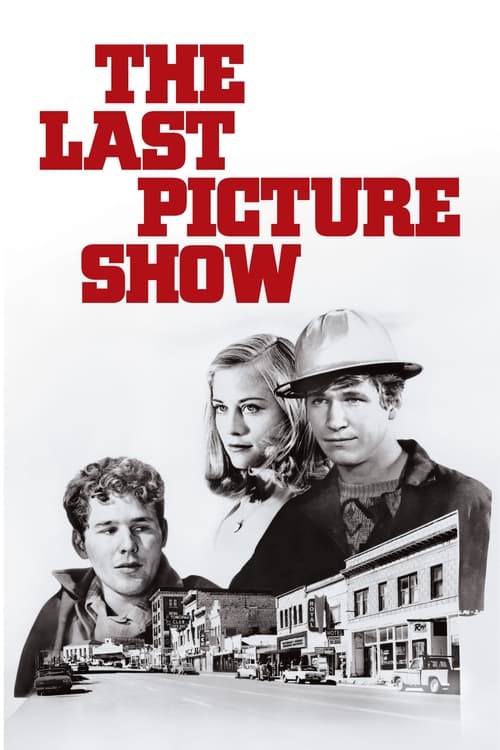
The Last Picture Show
High school seniors and best friends, Sonny and Duane, live in a dying Texas town. The handsome Duane is dating a local beauty, while Sonny is having an affair with the coach's wife. As graduation nears and both boys contemplate their futures, Duane eyes the army and Sonny takes over a local business. Each struggles to figure out if he can escape this dead-end town and build a better life somewhere else.
Despite its tight budget of $1.3M, The Last Picture Show became a commercial juggernaut, earning $29.1M worldwide—a remarkable 2141% return. The film's distinctive approach attracted moviegoers, confirming that strong storytelling can transcend budget limitations.
2 Oscars. 19 wins & 22 nominations


Plot Structure
Story beats plotted across runtime


Narrative Arc
Emotional journey through the story's key moments
Story Circle
Blueprint 15-beat structure
Arcplot Score Breakdown
Weighted: Precision (70%) + Arc (15%) + Theme (15%)
The Last Picture Show (1971) demonstrates meticulously timed story structure, characteristic of Peter Bogdanovich's storytelling approach. This structural analysis examines how the film's 15-point plot structure maps to proven narrative frameworks across 1 hour and 59 minutes. With an Arcplot score of 7.0, the film balances conventional beats with creative variation.
Structural Analysis
The Status Quo at 2 minutes (1% through the runtime) establishes Sonny and Duane attend a sad high school football game in dying Anarene, Texas. The empty bleachers and desolate wind establish the town's decline and the boys' aimless existence in 1951.. Significantly, this early placement immediately immerses viewers in the story world.
The inciting incident occurs at 15 minutes when Sonny is humiliated when Charlene breaks up with him in front of others at the picture show, declaring him a lousy lover. His status quo relationship ends, leaving him adrift and wounded.. At 13% through the film, this Disruption is delayed, allowing extended setup of the story world. This beat shifts the emotional landscape, launching the protagonist into the central conflict.
The First Threshold at 30 minutes marks the transition into Act II, occurring at 25% of the runtime. This shows the protagonist's commitment to Sonny actively chooses to begin an affair with Ruth Popper, the lonely coach's wife. This is his decision to enter the adult world of complexity, compassion, and hidden emotional life, leaving adolescent relationships behind., moving from reaction to action.
At 61 minutes, the Midpoint arrives at 51% of the runtime—precisely centered, creating perfect narrative symmetry. The analysis reveals that this crucial beat Sam the Lion dies suddenly. The moral center and last connection to the town's vibrant past is gone. The stakes raise—there is no wise elder to provide meaning, and the institutions (picture show, pool hall) will now fade away too. False defeat: everything will decline faster now., fundamentally raising what's at risk. The emotional intensity shifts, dividing the narrative into clear before-and-after phases.
The Collapse moment at 90 minutes (75% through) represents the emotional nadir. Here, Billy, the mentally disabled boy Sonny was supposed to watch over, is killed by a truck while sweeping the street. Sonny's neglect and self-absorption led to the death of an innocent. The "whiff of death" is literal—his worst failure manifested., demonstrates the protagonist at their lowest point. This beat's placement in the final quarter sets up the climactic reversal.
The Second Threshold at 96 minutes initiates the final act resolution at 81% of the runtime. Sonny returns to Ruth Popper's house. He realizes that authentic connection—the relationship he abandoned for Jacy's glamour—was what mattered. He chooses humility and seeks forgiveness from the person he hurt most., demonstrating the transformation achieved throughout the journey.
Emotional Journey
The Last Picture Show's emotional architecture traces a deliberate progression across 15 carefully calibrated beats.
Narrative Framework
This structural analysis employs proven narrative structure principles that track dramatic progression. By mapping The Last Picture Show against these established plot points, we can identify how Peter Bogdanovich utilizes or subverts traditional narrative conventions. The plot point approach reveals not only adherence to structural principles but also creative choices that distinguish The Last Picture Show within the drama genre.
Peter Bogdanovich's Structural Approach
Among the 4 Peter Bogdanovich films analyzed on Arcplot, the average structural score is 7.2, reflecting strong command of classical structure. The Last Picture Show takes a more unconventional approach compared to the director's typical style. For comparative analysis, explore the complete Peter Bogdanovich filmography.
Comparative Analysis
Additional drama films include After Thomas, South Pacific and Dirty Dancing: Havana Nights. For more Peter Bogdanovich analyses, see Mask, Paper Moon and What's Up, Doc?.
Plot Points by Act
Act I
SetupStatus Quo
Sonny and Duane attend a sad high school football game in dying Anarene, Texas. The empty bleachers and desolate wind establish the town's decline and the boys' aimless existence in 1951.
Theme
Sam the Lion, owner of the picture show and pool hall, tells the boys about the town's glory days being over: "Nothing's really been right since Sam Houston died." The theme of cultural death and lost vitality is stated.
Worldbuilding
Introduction to Anarene's inhabitants: Sonny's relationship with girlfriend Charlene, Duane's pursuit of Jacy Farrow, the social hierarchy dominated by oil wealth, Sam the Lion's mentorship, and the ever-present wind and dust of the dying town.
Disruption
Sonny is humiliated when Charlene breaks up with him in front of others at the picture show, declaring him a lousy lover. His status quo relationship ends, leaving him adrift and wounded.
Resistance
Sonny drifts through town life: working odd jobs, watching Jacy from afar, spending time with Billy (the mentally disabled boy), and observing the adult world's compromises. Sam the Lion serves as implicit guide to dignity in decline.
Act II
ConfrontationFirst Threshold
Sonny actively chooses to begin an affair with Ruth Popper, the lonely coach's wife. This is his decision to enter the adult world of complexity, compassion, and hidden emotional life, leaving adolescent relationships behind.
Mirror World
Ruth and Sonny's relationship deepens beyond sex into genuine tenderness. Ruth represents authentic emotional connection and vulnerability—the capacity for true intimacy that contrasts with Jacy's shallow manipulations. She teaches him what real caring means.
Premise
The "fun and games" of small-town life: Jacy's social climbing, the naked swim party, her seduction games with multiple boys, Duane's jealousy, Sonny balancing Ruth and his friendship with Duane, and the rituals of the picture show and pool hall.
Midpoint
Sam the Lion dies suddenly. The moral center and last connection to the town's vibrant past is gone. The stakes raise—there is no wise elder to provide meaning, and the institutions (picture show, pool hall) will now fade away too. False defeat: everything will decline faster now.
Opposition
Life gets harder for everyone: Jacy manipulates Sonny into abandoning Ruth and Duane to pursue her; Duane leaves for Korea; the picture show closes permanently; relationships fracture; Sonny's choices hurt the people who genuinely cared for him as he chases shallow status.
Collapse
Billy, the mentally disabled boy Sonny was supposed to watch over, is killed by a truck while sweeping the street. Sonny's neglect and self-absorption led to the death of an innocent. The "whiff of death" is literal—his worst failure manifested.
Crisis
Sonny spirals in guilt and despair. Jacy abandons him for eloping with another boy. He attends Billy's funeral haunted by his failure. The town feels more dead than ever, and Sonny confronts the emptiness of everything he's chased.
Act III
ResolutionSecond Threshold
Sonny returns to Ruth Popper's house. He realizes that authentic connection—the relationship he abandoned for Jacy's glamour—was what mattered. He chooses humility and seeks forgiveness from the person he hurt most.
Synthesis
Ruth initially rages at Sonny for abandoning her, slapping him and cursing his cruelty. But her love proves deeper than her anger. She reaches for his hand in forgiveness. Sonny accepts his place in this dying town, no longer chasing illusions.
Transformation
Sonny and Ruth hold hands in her kitchen. The wind still blows outside, the town is still dying, but Sonny has learned compassion and authenticity. The final image mirrors the opening desolation but shows emotional maturity—he's no longer running from reality.