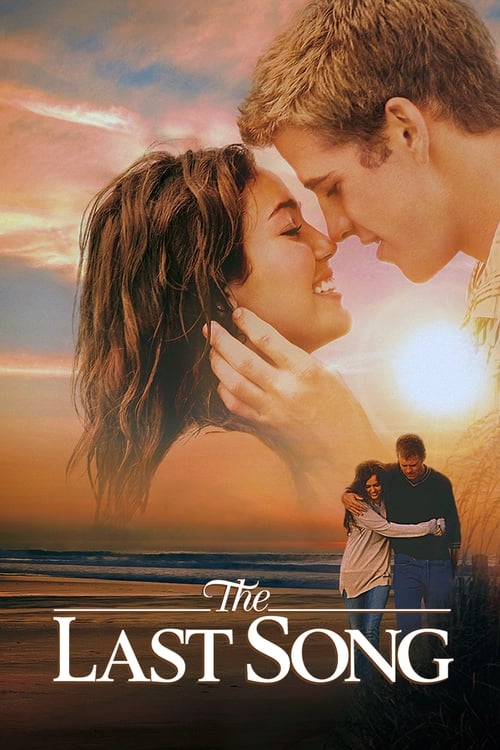
The Last Song
A drama centered on a rebellious girl who is sent to a Southern beach town for the summer to stay with her father. Through their mutual love of music, the estranged duo learn to reconnect.
Despite a moderate budget of $20.0M, The Last Song became a box office success, earning $89.1M worldwide—a 346% return.
4 wins & 10 nominations


Plot Structure
Story beats plotted across runtime


Narrative Arc
Emotional journey through the story's key moments
Story Circle
Blueprint 15-beat structure
Arcplot Score Breakdown
Weighted: Precision (70%) + Arc (15%) + Theme (15%)
The Last Song (2010) reveals deliberately positioned story structure, characteristic of Julie Anne Robinson's storytelling approach. This structural analysis examines how the film's 15-point plot structure maps to proven narrative frameworks across 1 hour and 47 minutes. With an Arcplot score of 7.4, the film balances conventional beats with creative variation.
Structural Analysis
The Status Quo at 2 minutes (2% through the runtime) establishes Ronnie, a rebellious 17-year-old, sits in juvenile court in NYC. She's angry, disconnected from her family, and hasn't spoken to her father in three years since her parents' divorce. She expresses her disdain for the piano, which once connected her to her father.. Significantly, this early placement immediately immerses viewers in the story world.
The inciting incident occurs at 13 minutes when Ronnie literally crashes into Will Blakelee on the beach during a volleyball game, spilling her drink. This antagonistic first meeting disrupts her plan to isolate herself and hate the summer. She's immediately attracted despite herself.. At 12% through the film, this Disruption aligns precisely with traditional story structure. This beat shifts the emotional landscape, launching the protagonist into the central conflict.
The First Threshold at 26 minutes marks the transition into Act II, occurring at 25% of the runtime. This demonstrates the protagonist's commitment to Ronnie makes the active choice to give Will a chance. She goes on their first real date to the aquarium, opening herself to vulnerability and connection. This marks her decision to stop running from the summer and engage with this new world., moving from reaction to action.
At 52 minutes, the Midpoint arrives at 49% of the runtime—precisely centered, creating perfect narrative symmetry. Of particular interest, this crucial beat False defeat: Ronnie discovers that Will's friend Scott was responsible for the fire that burned down the church (where her father was making the window). Will has been keeping this secret. Ronnie feels betrayed and their relationship fractures. The stakes raise dramatically., fundamentally raising what's at risk. The emotional intensity shifts, dividing the narrative into clear before-and-after phases.
The Collapse moment at 79 minutes (74% through) represents the emotional nadir. Here, Steve collapses. Ronnie learns her father has terminal stomach cancer and has only weeks to live. The literal "whiff of death" - everything crashes down. All the time she wasted being angry, all the summers she could have had with him, are gone. This is the devastating low point., reveals the protagonist at their lowest point. This beat's placement in the final quarter sets up the climactic reversal.
The Second Threshold at 85 minutes initiates the final act resolution at 79% of the runtime. Steve gives Ronnie his final gift: the insight that she must forgive herself and live fully. He tells her to finish his song and return to her music. This synthesis of her father's wisdom and her own growth gives her the strength to face the finale., demonstrating the transformation achieved throughout the journey.
Emotional Journey
The Last Song's emotional architecture traces a deliberate progression across 15 carefully calibrated beats.
Narrative Framework
This structural analysis employs structural analysis methodology used to understand storytelling architecture. By mapping The Last Song against these established plot points, we can identify how Julie Anne Robinson utilizes or subverts traditional narrative conventions. The plot point approach reveals not only adherence to structural principles but also creative choices that distinguish The Last Song within the drama genre.
Julie Anne Robinson's Structural Approach
Among the 2 Julie Anne Robinson films analyzed on Arcplot, the average structural score is 7.0, reflecting strong command of classical structure. The Last Song represents one of the director's most structurally precise works. For comparative analysis, explore the complete Julie Anne Robinson filmography.
Comparative Analysis
Additional drama films include After Thomas, South Pacific and Dirty Dancing: Havana Nights. For more Julie Anne Robinson analyses, see One for the Money.
Plot Points by Act
Act I
SetupStatus Quo
Ronnie, a rebellious 17-year-old, sits in juvenile court in NYC. She's angry, disconnected from her family, and hasn't spoken to her father in three years since her parents' divorce. She expresses her disdain for the piano, which once connected her to her father.
Theme
Ronnie's mother tells her that her father wants to see her and her brother, suggesting "maybe it's time to forgive him." The theme of forgiveness and reconciliation is explicitly stated, though Ronnie rejects it.
Worldbuilding
Ronnie and her younger brother Jonah are sent to spend the summer with their estranged father Steve in a small Georgia beach town. We see Ronnie's anger, Steve's gentle attempts to reconnect, the beach community, and establish Steve's passion for making stained glass windows for the local church.
Disruption
Ronnie literally crashes into Will Blakelee on the beach during a volleyball game, spilling her drink. This antagonistic first meeting disrupts her plan to isolate herself and hate the summer. She's immediately attracted despite herself.
Resistance
Ronnie resists connection - with Will, with her father, with the town. She gets into trouble at a beach bar, protects sea turtle eggs with the aquarium volunteer, and slowly begins to see her father's genuine kindness. Will pursues her despite her prickly defenses.
Act II
ConfrontationFirst Threshold
Ronnie makes the active choice to give Will a chance. She goes on their first real date to the aquarium, opening herself to vulnerability and connection. This marks her decision to stop running from the summer and engage with this new world.
Mirror World
Ronnie's relationship with Will deepens as he shows her his world - including meeting his wealthy family. Meanwhile, her relationship with her father begins to thaw as she watches him work on the stained glass window and care for the sea turtle nest with genuine passion.
Premise
The promise of the premise: a summer romance and family healing. Ronnie and Will fall in love through beach adventures, protecting the turtle nest together, and late-night conversations. Ronnie slowly reconnects with her father through music and shared care for the turtles.
Midpoint
False defeat: Ronnie discovers that Will's friend Scott was responsible for the fire that burned down the church (where her father was making the window). Will has been keeping this secret. Ronnie feels betrayed and their relationship fractures. The stakes raise dramatically.
Opposition
Ronnie breaks up with Will. Her anger returns. Will struggles between loyalty to his friend and his love for Ronnie. Meanwhile, Ronnie finally plays piano again for her father, beginning to heal that relationship. But her father becomes mysteriously ill, and tensions with Will remain unresolved.
Collapse
Steve collapses. Ronnie learns her father has terminal stomach cancer and has only weeks to live. The literal "whiff of death" - everything crashes down. All the time she wasted being angry, all the summers she could have had with him, are gone. This is the devastating low point.
Crisis
Ronnie processes the devastating news. She reconciles with Will, realizing that holding onto anger and blame is pointless in the face of losing her father. She stays by Steve's side, playing piano for him, trying to make up for lost time as he grows weaker.
Act III
ResolutionSecond Threshold
Steve gives Ronnie his final gift: the insight that she must forgive herself and live fully. He tells her to finish his song and return to her music. This synthesis of her father's wisdom and her own growth gives her the strength to face the finale.
Synthesis
Steve passes away peacefully. Ronnie completes his stained glass window for the church and finishes composing "The Last Song" he started for her. She says goodbye to Will as she prepares to return to NYC, both having grown. The turtle eggs hatch, symbolizing new life and hope.
Transformation
Months later, Ronnie auditions at Juilliard, playing the completed song for her father. She has transformed from an angry, closed-off teenager into a young woman who has embraced forgiveness, music, family, and love. She honors her father's memory by living fully.