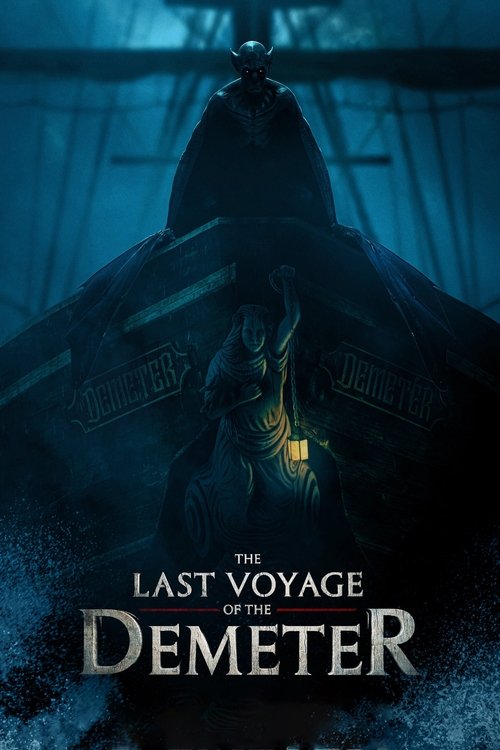
The Last Voyage of the Demeter
The crew of the merchant ship Demeter attempts to survive the ocean voyage from Carpathia to London as they are stalked each night by a merciless presence onboard the ship.
The film box office disappointment against its moderate budget of $45.0M, earning $21.6M globally (-52% loss). While initial box office returns were modest, the film has gained appreciation for its unconventional structure within the horror genre.


Plot Structure
Story beats plotted across runtime


Narrative Arc
Emotional journey through the story's key moments
Story Circle
Blueprint 15-beat structure
Arcplot Score Breakdown
Weighted: Precision (70%) + Arc (15%) + Theme (15%)
The Last Voyage of the Demeter (2023) showcases strategically placed dramatic framework, characteristic of André Øvredal's storytelling approach. This structural analysis examines how the film's 15-point plot structure maps to proven narrative frameworks across 1 hour and 59 minutes. With an Arcplot score of 7.1, the film balances conventional beats with creative variation.
Structural Analysis
The Status Quo at 1 minutes (1% through the runtime) establishes The wrecked Demeter washes ashore in England with its crew dead and lashed to the wheel, establishing a dark frame narrative that foreshadows doom.. Structural examination shows that this early placement immediately immerses viewers in the story world.
The inciting incident occurs at 14 minutes when As the Demeter sets sail, animals on board begin dying mysteriously. The crew discovers a traumatized woman named Anna hidden among the cargo, bearing strange bite marks—the first sign that something terrible has come aboard.. At 12% through the film, this Disruption aligns precisely with traditional story structure. This beat shifts the emotional landscape, launching the protagonist into the central conflict.
The First Threshold at 30 minutes marks the transition into Act II, occurring at 25% of the runtime. This demonstrates the protagonist's commitment to The creature makes its first human kill—a crew member is found drained of blood. The crew can no longer deny a monster is aboard. Clemens commits to fighting the unknown threat rather than succumbing to fear, crossing into direct confrontation with evil., moving from reaction to action.
At 60 minutes, the Midpoint arrives at 50% of the runtime—precisely centered, creating perfect narrative symmetry. Notably, this crucial beat Young Toby is attacked and bitten by the creature. Clemens performs a desperate blood transfusion to save him, but the boy's fate hangs in the balance. This false defeat raises the stakes dramatically—the monster is now targeting the most innocent among them., fundamentally raising what's at risk. The emotional intensity shifts, dividing the narrative into clear before-and-after phases.
The Collapse moment at 89 minutes (75% through) represents the emotional nadir. Here, Captain Eliot must mercy-kill his own transformed grandson Toby to prevent him from becoming a monster. The Captain dies shortly after, having lost everything. Nearly the entire crew is dead. Clemens faces the reality that survival may be impossible—the whiff of death is overwhelming., reveals the protagonist at their lowest point. This beat's placement in the final quarter sets up the climactic reversal.
The Second Threshold at 95 minutes initiates the final act resolution at 80% of the runtime. Clemens realizes that even if they cannot kill Dracula, they must try to prevent him from reaching England and spreading his evil. He commits to a final confrontation not for survival, but to protect others—synthesizing his healer's oath with warrior's resolve., demonstrating the transformation achieved throughout the journey.
Emotional Journey
The Last Voyage of the Demeter's emotional architecture traces a deliberate progression across 15 carefully calibrated beats.
Narrative Framework
This structural analysis employs systematic plot point analysis that identifies crucial turning points. By mapping The Last Voyage of the Demeter against these established plot points, we can identify how André Øvredal utilizes or subverts traditional narrative conventions. The plot point approach reveals not only adherence to structural principles but also creative choices that distinguish The Last Voyage of the Demeter within the horror genre.
André Øvredal's Structural Approach
Among the 3 André Øvredal films analyzed on Arcplot, the average structural score is 7.2, reflecting strong command of classical structure. The Last Voyage of the Demeter takes a more unconventional approach compared to the director's typical style. For comparative analysis, explore the complete André Øvredal filmography.
Comparative Analysis
Additional horror films include Thinner, A Nightmare on Elm Street and Mary Reilly. For more André Øvredal analyses, see Scary Stories to Tell in the Dark, The Autopsy of Jane Doe.
Plot Points by Act
Act I
SetupStatus Quo
The wrecked Demeter washes ashore in England with its crew dead and lashed to the wheel, establishing a dark frame narrative that foreshadows doom.
Theme
Captain Eliot tells Clemens that the sea doesn't care about a man's past or credentials—only what he can do when tested. This establishes the theme of proving one's worth against insurmountable evil.
Worldbuilding
We meet the crew of the Demeter in Bulgaria: Captain Eliot, his grandson Toby, first mate Wojchek, and others. Clemens, a Black doctor facing prejudice, seeks passage to London. The ship takes on mysterious cargo from Transylvania—large wooden crates that locals fear.
Disruption
As the Demeter sets sail, animals on board begin dying mysteriously. The crew discovers a traumatized woman named Anna hidden among the cargo, bearing strange bite marks—the first sign that something terrible has come aboard.
Resistance
Clemens treats Anna and tries to understand her condition. The crew debates what could be killing the animals. Superstitious fears grow as more livestock die. Clemens uses his medical knowledge to investigate while the Captain insists on rational explanations, delaying acknowledgment of the supernatural threat.
Act II
ConfrontationFirst Threshold
The creature makes its first human kill—a crew member is found drained of blood. The crew can no longer deny a monster is aboard. Clemens commits to fighting the unknown threat rather than succumbing to fear, crossing into direct confrontation with evil.
Mirror World
Anna reveals she knows what hunts them—a creature of the night that feeds on blood. She becomes Clemens's ally and mirror, someone who has survived Dracula's attacks and carries knowledge essential to their survival. Their bond represents hope through shared understanding.
Premise
The crew attempts to survive night after night against the vampire. They set traps, guard shifts, and try various defenses. Clemens and Anna work to understand the creature's weaknesses—sunlight, possibly fire. Each night brings terror and death as the crew is picked off one by one despite their efforts.
Midpoint
Young Toby is attacked and bitten by the creature. Clemens performs a desperate blood transfusion to save him, but the boy's fate hangs in the balance. This false defeat raises the stakes dramatically—the monster is now targeting the most innocent among them.
Opposition
The creature grows bolder and stronger as the crew diminishes. Toby begins transforming, forcing impossible choices. The remaining crew members turn on each other in fear and paranoia. Dracula toys with them, demonstrating his complete dominance over the ship. Every plan fails; every defense crumbles.
Collapse
Captain Eliot must mercy-kill his own transformed grandson Toby to prevent him from becoming a monster. The Captain dies shortly after, having lost everything. Nearly the entire crew is dead. Clemens faces the reality that survival may be impossible—the whiff of death is overwhelming.
Crisis
In the aftermath of devastating losses, Clemens and Anna are among the last survivors. They process the horror and grief. Clemens questions whether any fight against this evil is winnable, facing his darkest moment of despair as the English coast finally comes into view.
Act III
ResolutionSecond Threshold
Clemens realizes that even if they cannot kill Dracula, they must try to prevent him from reaching England and spreading his evil. He commits to a final confrontation not for survival, but to protect others—synthesizing his healer's oath with warrior's resolve.
Synthesis
Clemens confronts Dracula directly as dawn approaches. Anna sacrifices herself to give Clemens a chance. Using fire and the coming sunrise, Clemens battles the creature. The ship runs aground on the English coast. Dracula escapes into his crate of earth as sunlight floods the deck, but Clemens survives.
Transformation
Clemens washes ashore as the sole survivor, transformed from a man seeking acceptance into a hunter with a mission. He vows to track down and destroy Dracula in London. The final image shows him setting off alone—no longer running from his past but pursuing a monster into his future.