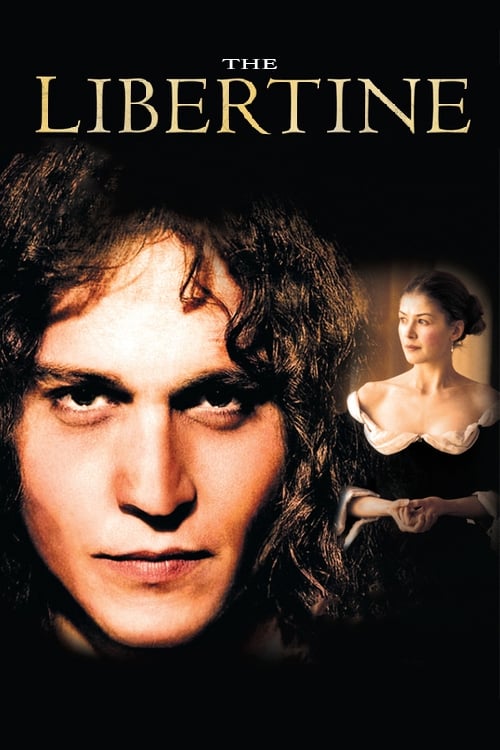
The Libertine
The story of John Wilmot, a.k.a. the Earl of Rochester, a 17th century poet who famously drank and debauched his way to an early grave, only to earn posthumous critical acclaim for his life's work.
The film struggled financially against its modest budget of $11.0M, earning $10.9M globally (-1% loss).
2 wins & 8 nominations


Plot Structure
Story beats plotted across runtime


Narrative Arc
Emotional journey through the story's key moments
Story Circle
Blueprint 15-beat structure
Arcplot Score Breakdown
Weighted: Precision (70%) + Arc (15%) + Theme (15%)
The Libertine (2004) exhibits carefully calibrated plot construction, characteristic of Laurence Dunmore's storytelling approach. This structural analysis examines how the film's 15-point plot structure maps to proven narrative frameworks across 1 hour and 54 minutes. With an Arcplot score of 6.6, the film balances conventional beats with creative variation.
Structural Analysis
The Status Quo at 2 minutes (1% through the runtime) establishes Rochester breaks the fourth wall, addressing the audience directly with cynicism and contempt. He declares "You will not like me" - establishing his identity as a dissolute poet and libertine at the Restoration court of Charles II, living a life of excess, debauchery, and artistic brilliance.. Of particular interest, this early placement immediately immerses viewers in the story world.
The inciting incident occurs at 14 minutes when Rochester encounters Elizabeth Barry, a talentless actress, at the playhouse. Despite her poor performance, he sees potential and becomes intrigued. This meeting will change both their lives and represents a shift from pure dissolution toward purpose.. At 12% through the film, this Disruption aligns precisely with traditional story structure. This beat shifts the emotional landscape, launching the protagonist into the central conflict.
The First Threshold at 29 minutes marks the transition into Act II, occurring at 25% of the runtime. This reveals the protagonist's commitment to Rochester and Elizabeth Barry become lovers. He fully commits to transforming her into a great actress, and she commits to his unconventional methods. This marks the beginning of Act 2 and their passionate, creative partnership., moving from reaction to action.
At 58 minutes, the Midpoint arrives at 51% of the runtime—precisely centered, creating perfect narrative symmetry. Of particular interest, this crucial beat Rochester's play for the King, meant to be a heroic piece, instead becomes an obscene satirical farce mocking the King himself. The performance outrages Charles II and the court. This false victory (artistic truth) becomes a defeat (social destruction). Rochester is banished from court and loses the King's patronage., fundamentally raising what's at risk. The emotional intensity shifts, dividing the narrative into clear before-and-after phases.
The Collapse moment at 86 minutes (75% through) represents the emotional nadir. Here, Elizabeth Barry abandons Rochester, refusing to watch him destroy himself any longer. His closest companion and muse leaves him. This represents the death of his capacity for genuine connection and the last vestige of redemptive purpose in his life., shows the protagonist at their lowest point. This beat's placement in the final quarter sets up the climactic reversal.
The Second Threshold at 92 minutes initiates the final act resolution at 81% of the runtime. Rochester, near death, achieves a moment of clarity about the cost of his choices. He understands that his pursuit of absolute truth and freedom led to absolute destruction. This realization doesn't redeem him but allows him to face death with awareness rather than denial., demonstrating the transformation achieved throughout the journey.
Emotional Journey
The Libertine's emotional architecture traces a deliberate progression across 15 carefully calibrated beats.
Narrative Framework
This structural analysis employs systematic plot point analysis that identifies crucial turning points. By mapping The Libertine against these established plot points, we can identify how Laurence Dunmore utilizes or subverts traditional narrative conventions. The plot point approach reveals not only adherence to structural principles but also creative choices that distinguish The Libertine within the drama genre.
Comparative Analysis
Additional drama films include After Thomas, South Pacific and Dirty Dancing: Havana Nights.
Plot Points by Act
Act I
SetupStatus Quo
Rochester breaks the fourth wall, addressing the audience directly with cynicism and contempt. He declares "You will not like me" - establishing his identity as a dissolute poet and libertine at the Restoration court of Charles II, living a life of excess, debauchery, and artistic brilliance.
Theme
Charles II speaks about the nature of art and truth, suggesting that true art requires honesty even when it offends. This establishes the central thematic tension between artistic integrity and social acceptability, truth and consequences.
Worldbuilding
Introduction to the Restoration court world: Rochester's wit and poetry, his relationship with King Charles II, his marriage to Elizabeth, his drinking and whoring at taverns, and his fame as both celebrated poet and scandalous figure. We see his talent and his self-destructive behavior in equal measure.
Disruption
Rochester encounters Elizabeth Barry, a talentless actress, at the playhouse. Despite her poor performance, he sees potential and becomes intrigued. This meeting will change both their lives and represents a shift from pure dissolution toward purpose.
Resistance
Rochester makes a wager that he can transform Elizabeth Barry into a great actress within three months. He begins coaching her intensively, teaching her about truth in performance and emotion. Their relationship deepens as he pushes her to access genuine feeling rather than theatrical artifice.
Act II
ConfrontationFirst Threshold
Rochester and Elizabeth Barry become lovers. He fully commits to transforming her into a great actress, and she commits to his unconventional methods. This marks the beginning of Act 2 and their passionate, creative partnership.
Mirror World
Elizabeth Barry performs brilliantly on stage, transformed by Rochester's coaching. Their relationship represents the thematic mirror: through helping her find truth in art, Rochester briefly finds purpose beyond mere libertinism. She embodies what he could be if he channeled his gifts constructively.
Premise
The "fun and games" of Rochester and Barry's affair and creative partnership. He writes, she performs triumphantly, they're celebrated. Rochester continues his dissolute lifestyle while also experiencing genuine creative fulfillment. The King commissions him to write a play, giving him another purpose.
Midpoint
Rochester's play for the King, meant to be a heroic piece, instead becomes an obscene satirical farce mocking the King himself. The performance outrages Charles II and the court. This false victory (artistic truth) becomes a defeat (social destruction). Rochester is banished from court and loses the King's patronage.
Opposition
Banished and disgraced, Rochester's health deteriorates from syphilis and alcoholism. Elizabeth Barry becomes a successful actress but grows tired of his destructive behavior and self-sabotage. His relationships crumble, his body fails, and his refusal to compromise his artistic integrity leaves him increasingly isolated.
Collapse
Elizabeth Barry abandons Rochester, refusing to watch him destroy himself any longer. His closest companion and muse leaves him. This represents the death of his capacity for genuine connection and the last vestige of redemptive purpose in his life.
Crisis
Rochester descends into complete physical and spiritual collapse. Ravaged by disease, abandoned by everyone, he faces the consequences of his uncompromising nature. He confronts the darkness of having lived entirely for art and pleasure without regard for human connection or self-preservation.
Act III
ResolutionSecond Threshold
Rochester, near death, achieves a moment of clarity about the cost of his choices. He understands that his pursuit of absolute truth and freedom led to absolute destruction. This realization doesn't redeem him but allows him to face death with awareness rather than denial.
Synthesis
Rochester's final days. He reconciles with his wife Elizabeth Malet, who tends to him despite everything. He dictates his final thoughts, achieving a kind of peace with his choices. His artistic legacy remains even as his body fails completely.
Transformation
Rochester dies at age 33, destroyed by his lifestyle. The final image mirrors the opening: he addresses the audience one last time, having proven his opening statement correct. We did not like him, but we understood him. The transformation is tragic - from vibrant libertine to corpse, the price of uncompromising truth.