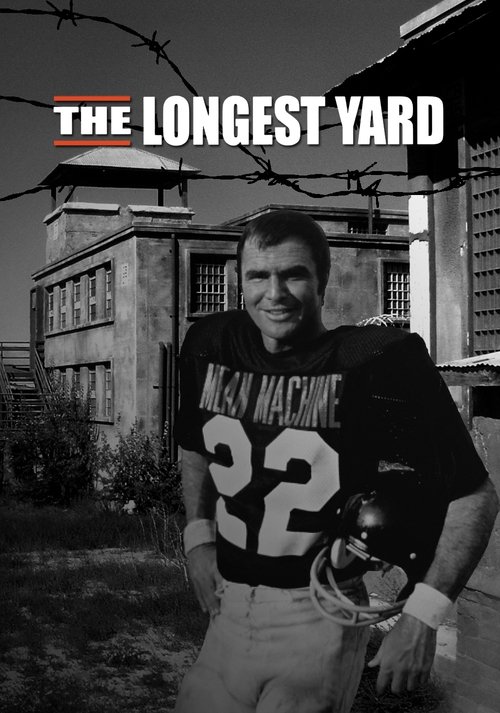
The Longest Yard
A football player-turned-convict organizes a team of inmates to play against a team of prison guards. His dilemma is that the warden asks him to throw the game in return for an early release, but he is also concerned about the inmates' lack of self-esteem.
Despite its tight budget of $2.9M, The Longest Yard became a runaway success, earning $43.0M worldwide—a remarkable 1383% return. The film's fresh perspective connected with viewers, showing that strong storytelling can transcend budget limitations.
Nominated for 1 Oscar. 2 wins & 4 nominations


Plot Structure
Story beats plotted across runtime


Narrative Arc
Emotional journey through the story's key moments
Story Circle
Blueprint 15-beat structure
Arcplot Score Breakdown
Weighted: Precision (70%) + Arc (15%) + Theme (15%)
The Longest Yard (1974) reveals meticulously timed narrative design, characteristic of Robert Aldrich's storytelling approach. This structural analysis examines how the film's 15-point plot structure maps to proven narrative frameworks across 2 hours and 1 minutes. With an Arcplot score of 7.4, the film balances conventional beats with creative variation.
Structural Analysis
The Status Quo at 1 minutes (1% through the runtime) establishes Paul Crewe, drunk and bitter, steals his girlfriend's car and leads police on a reckless chase, showing his fall from NFL stardom to moral bankruptcy.. Of particular interest, this early placement immediately immerses viewers in the story world.
The inciting incident occurs at 15 minutes when Warden Hazen coerces Crewe into organizing a prisoner football team to play a tune-up game against the guards, threatening him with false accusations if he refuses.. At 12% through the film, this Disruption aligns precisely with traditional story structure. This beat shifts the emotional landscape, launching the protagonist into the central conflict.
The First Threshold at 30 minutes marks the transition into Act II, occurring at 25% of the runtime. This illustrates the protagonist's commitment to Crewe actively commits to building a real team, recruiting key players including Scarborough and convincing Caretaker to fully support the effort, transforming it from a setup into a genuine mission., moving from reaction to action.
At 61 minutes, the Midpoint arrives at 50% of the runtime—precisely centered, creating perfect narrative symmetry. Notably, this crucial beat Warden Hazen reveals he expects Crewe to throw the game and keep the score respectable for the guards, threatening consequences if Crewe doesn't comply - the stakes are raised and Crewe's redemption is tested., fundamentally raising what's at risk. The emotional intensity shifts, dividing the narrative into clear before-and-after phases.
The Collapse moment at 91 minutes (75% through) represents the emotional nadir. Here, Caretaker is killed by guards during the game in a brutal, deliberate act of violence, destroying Crewe's closest friendship and representing the death of his chance at redemption if he continues to throw the game., indicates the protagonist at their lowest point. This beat's placement in the final quarter sets up the climactic reversal.
The Second Threshold at 97 minutes initiates the final act resolution at 80% of the runtime. Crewe returns to the field with renewed determination, choosing to win the game for Caretaker and his team regardless of consequences, synthesizing his past skills with his newfound integrity., demonstrating the transformation achieved throughout the journey.
Emotional Journey
The Longest Yard's emotional architecture traces a deliberate progression across 15 carefully calibrated beats.
Narrative Framework
This structural analysis employs structural analysis methodology used to understand storytelling architecture. By mapping The Longest Yard against these established plot points, we can identify how Robert Aldrich utilizes or subverts traditional narrative conventions. The plot point approach reveals not only adherence to structural principles but also creative choices that distinguish The Longest Yard within the comedy genre.
Robert Aldrich's Structural Approach
Among the 5 Robert Aldrich films analyzed on Arcplot, the average structural score is 7.1, reflecting strong command of classical structure. The Longest Yard represents one of the director's most structurally precise works. For comparative analysis, explore the complete Robert Aldrich filmography.
Comparative Analysis
Additional comedy films include The Bad Guys, Ella Enchanted and The Evening Star. For more Robert Aldrich analyses, see Hustle, The Frisco Kid and Sodom and Gomorrah.
Plot Points by Act
Act I
SetupStatus Quo
Paul Crewe, drunk and bitter, steals his girlfriend's car and leads police on a reckless chase, showing his fall from NFL stardom to moral bankruptcy.
Theme
Warden Hazen tells Crewe that everyone deserves a second chance, but only if they prove themselves worthy - establishing the theme of redemption through commitment.
Worldbuilding
Crewe arrives at Citrus State Prison, meets the corrupt Warden Hazen and sadistic Captain Knauer, learns the prison hierarchy, and discovers the guards' semi-pro football team.
Disruption
Warden Hazen coerces Crewe into organizing a prisoner football team to play a tune-up game against the guards, threatening him with false accusations if he refuses.
Resistance
Crewe reluctantly recruits Caretaker as his fixer, debates whether to take the task seriously, and begins assembling a ragtag team while facing hostility from convicts who see him as a traitor.
Act II
ConfrontationFirst Threshold
Crewe actively commits to building a real team, recruiting key players including Scarborough and convincing Caretaker to fully support the effort, transforming it from a setup into a genuine mission.
Mirror World
Crewe connects with the convicts as they begin training, particularly bonding with Caretaker who becomes his moral compass, showing him what leadership and loyalty mean beyond his selfish past.
Premise
The convicts train, bond, and prepare for the game with growing enthusiasm and unity, while Crewe finds purpose in coaching them and earns their respect despite initial suspicion.
Midpoint
Warden Hazen reveals he expects Crewe to throw the game and keep the score respectable for the guards, threatening consequences if Crewe doesn't comply - the stakes are raised and Crewe's redemption is tested.
Opposition
During the game, Crewe struggles with the choice to betray his team, initially shaving points while the convicts fight heroically; the guards play dirty with Knauer's blessing, injuring prisoners.
Collapse
Caretaker is killed by guards during the game in a brutal, deliberate act of violence, destroying Crewe's closest friendship and representing the death of his chance at redemption if he continues to throw the game.
Crisis
Crewe walks off the field in despair, retreating to the locker room while the team and crowd wait, forcing him to confront whether he'll honor Caretaker's sacrifice or remain the selfish coward he was.
Act III
ResolutionSecond Threshold
Crewe returns to the field with renewed determination, choosing to win the game for Caretaker and his team regardless of consequences, synthesizing his past skills with his newfound integrity.
Synthesis
Crewe leads the convicts to victory with brilliant plays and courageous leadership, defying Hazen and Knauer, culminating in a game-winning touchdown that represents triumph over corruption.
Transformation
Crewe walks toward the warden's office with quiet dignity, accepting whatever punishment awaits, transformed from a selfish has-been into a man of principle who earned genuine respect.