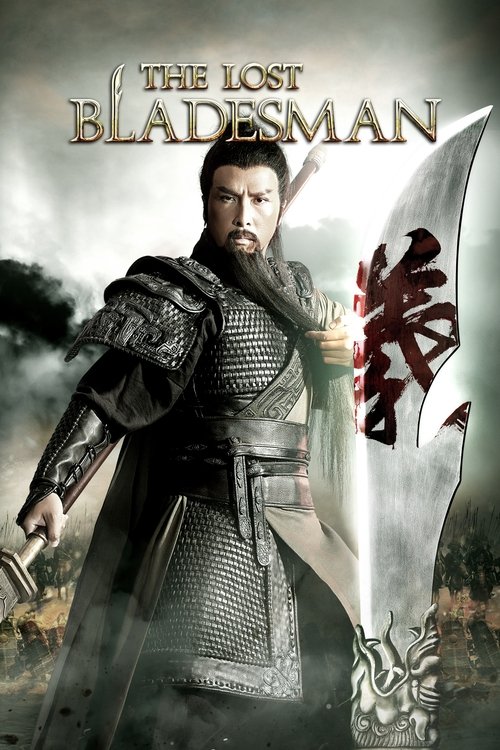
The Lost Bladesman
During the warring period of the three kingdoms, ancient China is in turmoil. To unify the country, general Cao Cao, the real power behind the Emperor, enlists the aid of the greatest warrior in the land, Guan Yu. However, Guan Yu is a loyal friend of Cao Cao's enemy Liu Bei so to persuade the peerless warrior to fight, Cao Cao takes his beloved Qi Lan hostage. After leading Cao Cao's forces to victory Guan Yu sets out with Qi Lan to rejoin Liu Bei. Now Cao Cao has deemed him too great a threat to live, and on the journey he must face all the forces at the Emperor's command sent to destroy him.
The film earned $23.8M at the global box office.


Plot Structure
Story beats plotted across runtime


Narrative Arc
Emotional journey through the story's key moments
Story Circle
Blueprint 15-beat structure
Arcplot Score Breakdown
Weighted: Precision (70%) + Arc (15%) + Theme (15%)
The Lost Bladesman (2011) demonstrates precise story structure, characteristic of Felix Chong Man-Keung's storytelling approach. This structural analysis examines how the film's 15-point plot structure maps to proven narrative frameworks across 1 hour and 47 minutes. With an Arcplot score of 6.8, the film balances conventional beats with creative variation.
Structural Analysis
The Status Quo at 1 minutes (1% through the runtime) establishes Guan Yu stands as a legendary warrior and loyal oath-brother to Liu Bei, serving in the fractured Three Kingdoms period. He is established as a man of unwavering loyalty and martial prowess.. Significantly, this early placement immediately immerses viewers in the story world.
The inciting incident occurs at 13 minutes when Liu Bei's forces are defeated and scattered. Guan Yu is separated from his sworn brothers and must surrender to Cao Cao to protect Liu Bei's family. His oath of loyalty is put to the ultimate test.. At 13% through the film, this Disruption is delayed, allowing extended setup of the story world. This beat shifts the emotional landscape, launching the protagonist into the central conflict.
The First Threshold at 27 minutes marks the transition into Act II, occurring at 25% of the runtime. This reveals the protagonist's commitment to Guan Yu makes the active choice to undertake his legendary journey through the five passes when he learns Liu Bei is alive. He commits to leaving Cao Cao's service and rejoining his sworn brother, knowing it means becoming a fugitive., moving from reaction to action.
At 54 minutes, the Midpoint arrives at 50% of the runtime—precisely centered, creating perfect narrative symmetry. Notably, this crucial beat Guan Yu successfully passes through the final gate but discovers that Cao Cao has been allowing him to proceed, revealing that his victories were facilitated rather than earned. His sense of honor is complicated by this revelation., fundamentally raising what's at risk. The emotional intensity shifts, dividing the narrative into clear before-and-after phases.
The Collapse moment at 80 minutes (75% through) represents the emotional nadir. Here, Guan Yu faces the devastating realization that his actions have led to the deaths of innocent people and soldiers who respected him. The weight of loyalty to his oath threatens to destroy everything he holds dear. A symbolic death of his idealized vision of honor occurs., demonstrates the protagonist at their lowest point. This beat's placement in the final quarter sets up the climactic reversal.
The Second Threshold at 86 minutes initiates the final act resolution at 80% of the runtime. Guan Yu synthesizes his understanding: true loyalty means accepting the full weight of one's choices and their consequences. He resolves to face Cao Cao one final time with complete honesty, combining his martial skill with his deeper understanding of honor., demonstrating the transformation achieved throughout the journey.
Emotional Journey
The Lost Bladesman's emotional architecture traces a deliberate progression across 15 carefully calibrated beats.
Narrative Framework
This structural analysis employs a 15-point narrative structure framework that maps key story moments. By mapping The Lost Bladesman against these established plot points, we can identify how Felix Chong Man-Keung utilizes or subverts traditional narrative conventions. The plot point approach reveals not only adherence to structural principles but also creative choices that distinguish The Lost Bladesman within the history genre.
Comparative Analysis
Additional history films include The Attacks Of 26/11, Joyeux Noel and Rob Roy.
Plot Points by Act
Act I
SetupStatus Quo
Guan Yu stands as a legendary warrior and loyal oath-brother to Liu Bei, serving in the fractured Three Kingdoms period. He is established as a man of unwavering loyalty and martial prowess.
Theme
Cao Cao speaks about loyalty and what it means to serve a worthy master, suggesting that true loyalty transcends simple allegiance. The theme of loyalty versus personal conviction is established.
Worldbuilding
The war-torn landscape of the Three Kingdoms is established. Guan Yu's relationship with his oath-brothers, his reputation as a warrior, and the political chaos of the era are introduced. Cao Cao's ambitions and respect for Guan Yu are revealed.
Disruption
Liu Bei's forces are defeated and scattered. Guan Yu is separated from his sworn brothers and must surrender to Cao Cao to protect Liu Bei's family. His oath of loyalty is put to the ultimate test.
Resistance
Guan Yu reluctantly serves under Cao Cao while awaiting news of Liu Bei. He negotiates the terms of his service, maintaining his integrity while in enemy territory. Cao Cao tries to win his genuine loyalty through respect and gifts.
Act II
ConfrontationFirst Threshold
Guan Yu makes the active choice to undertake his legendary journey through the five passes when he learns Liu Bei is alive. He commits to leaving Cao Cao's service and rejoining his sworn brother, knowing it means becoming a fugitive.
Mirror World
Guan Yu's relationship with Qi Lan deepens as she tends to Liu Bei's family during the journey. She represents an alternate path of personal happiness versus duty, embodying the film's thematic conflict between individual desires and sworn loyalty.
Premise
Guan Yu battles through Cao Cao's five passes, demonstrating his legendary martial prowess. Each encounter showcases his honor, skill, and unwavering determination. The promise of the premise—witnessing Guan Yu's legendary journey—is delivered.
Midpoint
Guan Yu successfully passes through the final gate but discovers that Cao Cao has been allowing him to proceed, revealing that his victories were facilitated rather than earned. His sense of honor is complicated by this revelation.
Opposition
The true cost of Guan Yu's choices becomes apparent. Cao Cao's forces close in, and the political consequences of his actions threaten everyone around him. His relationship with Qi Lan becomes more complex as personal feelings conflict with duty.
Collapse
Guan Yu faces the devastating realization that his actions have led to the deaths of innocent people and soldiers who respected him. The weight of loyalty to his oath threatens to destroy everything he holds dear. A symbolic death of his idealized vision of honor occurs.
Crisis
Guan Yu contemplates the true meaning of loyalty and honor in a world where neither is absolute. He must reconcile his personal feelings, his duty to his oath-brothers, and the consequences his choices have wrought.
Act III
ResolutionSecond Threshold
Guan Yu synthesizes his understanding: true loyalty means accepting the full weight of one's choices and their consequences. He resolves to face Cao Cao one final time with complete honesty, combining his martial skill with his deeper understanding of honor.
Synthesis
Guan Yu executes his final plan, confronting Cao Cao with both respect and resolve. He honors the complexity of their relationship while remaining true to his oath. The finale resolves the political and personal threads of his journey.
Transformation
Guan Yu stands reunited with his path, having honored both his oath and his own moral code. He is transformed from a simple warrior of loyalty into a legend who understood that true honor requires sacrifice, wisdom, and the acceptance of complexity.