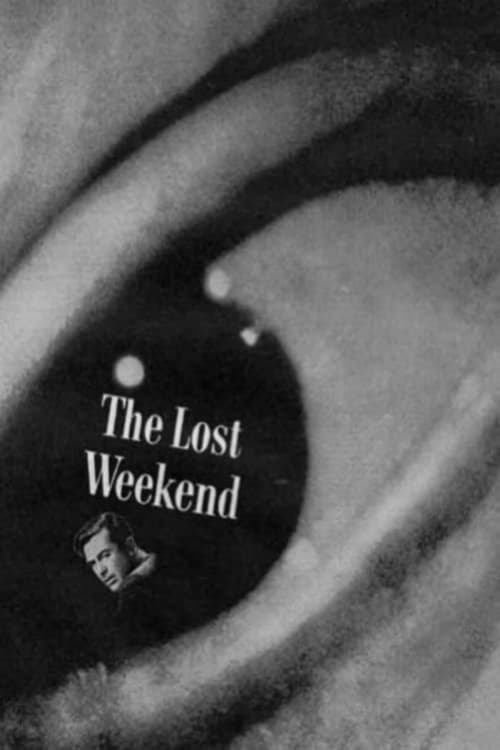
The Lost Weekend
Don Birnam, a long-time alcoholic, has been sober for ten days and appears to be over the worst... but his craving has just become more insidious. Evading a country weekend planned by his brother and girlfriend, he begins a four-day bender that just might be his last - one way or another.
Despite its tight budget of $1.3M, The Lost Weekend became a commercial juggernaut, earning $11.0M worldwide—a remarkable 780% return. The film's innovative storytelling resonated with audiences, confirming that strong storytelling can transcend budget limitations.


Plot Structure
Story beats plotted across runtime


Narrative Arc
Emotional journey through the story's key moments
Story Circle
Blueprint 15-beat structure
Arcplot Score Breakdown
Weighted: Precision (70%) + Arc (15%) + Theme (15%)
The Lost Weekend (1945) reveals carefully calibrated narrative design, characteristic of Billy Wilder's storytelling approach. This structural analysis examines how the film's 15-point plot structure maps to proven narrative frameworks across 1 hour and 41 minutes. With an Arcplot score of 7.0, the film balances conventional beats with creative variation.
Structural Analysis
The Status Quo at 1 minutes (1% through the runtime) establishes Don Birnam hangs a bottle of whiskey outside his apartment window on a rope, revealing his hidden alcoholism and the deceptive life he leads. His brother Wick prepares for a weekend trip, unaware Don plans to stay behind to drink.. Notably, this early placement immediately immerses viewers in the story world.
The inciting incident occurs at 12 minutes when Don tricks his brother and Helen into leaving without him by hiding their taxi money, claiming he'll follow later. Once alone, he retrieves his hidden bottle, choosing to stay behind for a weekend of drinking. The decision to abandon his responsibilities marks the beginning of his descent.. At 12% through the film, this Disruption aligns precisely with traditional story structure. This beat shifts the emotional landscape, launching the protagonist into the central conflict.
The First Threshold at 26 minutes marks the transition into Act II, occurring at 26% of the runtime. This shows the protagonist's commitment to Don pawns Helen's coat to buy more whiskey, crossing a moral line by stealing from the woman who loves him. This active choice to prioritize alcohol over his relationship marks his full commitment to the binge and entry into the nightmare of addiction., moving from reaction to action.
At 51 minutes, the Midpoint arrives at 50% of the runtime—precisely centered, creating perfect narrative symmetry. Significantly, this crucial beat Don collapses on Third Avenue, unable to pawn his typewriter because all the pawn shops are closed for Yom Kippur. This false defeat raises the stakes—he's trapped without resources, his desperation intensifying. The fun and games are over; survival becomes the only goal., fundamentally raising what's at risk. The emotional intensity shifts, dividing the narrative into clear before-and-after phases.
The Collapse moment at 76 minutes (76% through) represents the emotional nadir. Here, Don steals a woman's purse to get money for a gun to kill himself. Having lost all dignity and hope, he contemplates suicide. This is his absolute bottom—the "whiff of death" both literal and metaphorical. His identity as a writer, a partner, a human being seems dead., illustrates the protagonist at their lowest point. This beat's placement in the final quarter sets up the climactic reversal.
The Second Threshold at 81 minutes initiates the final act resolution at 81% of the runtime. Helen arrives and refuses to give up on Don. Her unconditional love and faith in him provides the breakthrough. She insists he can write his story, transform his suffering into truth. Don realizes he can channel his experience into his novel, "The Bottle." He chooses life and honesty over death and denial., demonstrating the transformation achieved throughout the journey.
Emotional Journey
The Lost Weekend's emotional architecture traces a deliberate progression across 15 carefully calibrated beats.
Narrative Framework
This structural analysis employs proven narrative structure principles that track dramatic progression. By mapping The Lost Weekend against these established plot points, we can identify how Billy Wilder utilizes or subverts traditional narrative conventions. The plot point approach reveals not only adherence to structural principles but also creative choices that distinguish The Lost Weekend within the drama genre.
Billy Wilder's Structural Approach
Among the 10 Billy Wilder films analyzed on Arcplot, the average structural score is 5.6, showcasing experimental approaches to narrative form. The Lost Weekend represents one of the director's most structurally precise works. For comparative analysis, explore the complete Billy Wilder filmography.
Comparative Analysis
Additional drama films include After Thomas, South Pacific and Dirty Dancing: Havana Nights. For more Billy Wilder analyses, see Sabrina, The Apartment and Some Like It Hot.
Plot Points by Act
Act I
SetupStatus Quo
Don Birnam hangs a bottle of whiskey outside his apartment window on a rope, revealing his hidden alcoholism and the deceptive life he leads. His brother Wick prepares for a weekend trip, unaware Don plans to stay behind to drink.
Theme
Helen, Don's girlfriend, expresses concern about his drinking and suggests he needs to face his problems honestly. The bartender Nat later warns, "One's too many and a hundred's not enough," articulating the theme of addiction's inescapable grip.
Worldbuilding
Establishes Don as a struggling writer living with his brother Wick in New York. Helen loves Don despite his problems. Don has been sober for a while but is clearly fragile. His writing aspirations remain unfulfilled, and he uses drinking to escape his failures and self-loathing.
Disruption
Don tricks his brother and Helen into leaving without him by hiding their taxi money, claiming he'll follow later. Once alone, he retrieves his hidden bottle, choosing to stay behind for a weekend of drinking. The decision to abandon his responsibilities marks the beginning of his descent.
Resistance
Don begins drinking and experiences initial euphoria, believing alcohol fuels his creativity. He visits Nat's bar and engages in grandiose talk about his unwritten novel. Flashbacks reveal Helen's patience and his previous failures. The debate: can he control it this time, or will it consume him?
Act II
ConfrontationFirst Threshold
Don pawns Helen's coat to buy more whiskey, crossing a moral line by stealing from the woman who loves him. This active choice to prioritize alcohol over his relationship marks his full commitment to the binge and entry into the nightmare of addiction.
Mirror World
Flashback sequences deepen our understanding of Helen's role as the thematic mirror—she represents unconditional love and acceptance. She sees Don's potential and humanity beneath the addiction, embodying the redemptive possibility of connection versus isolation.
Premise
The "promise of the premise"—a harrowing portrait of alcoholism. Don spirals through New York trying to get money for drinks: begging, scheming, suffering withdrawal. The film delivers its unflinching look at addiction: the desperation, delusions, and degradation of a long weekend drunk.
Midpoint
Don collapses on Third Avenue, unable to pawn his typewriter because all the pawn shops are closed for Yom Kippur. This false defeat raises the stakes—he's trapped without resources, his desperation intensifying. The fun and games are over; survival becomes the only goal.
Opposition
Don's condition deteriorates severely. He experiences delirium tremens, hallucinating a bat killing a mouse emerging from the wall. He's hospitalized in the alcoholic ward, surrounded by other victims of addiction. His attempts to escape his situation fail repeatedly. Reality closes in mercilessly.
Collapse
Don steals a woman's purse to get money for a gun to kill himself. Having lost all dignity and hope, he contemplates suicide. This is his absolute bottom—the "whiff of death" both literal and metaphorical. His identity as a writer, a partner, a human being seems dead.
Crisis
Don returns to his apartment with the gun, preparing to end his life. He sits in darkness confronting the totality of his failure and self-destruction. The dark night of the soul where he must choose between literal death or finding some reason to continue living.
Act III
ResolutionSecond Threshold
Helen arrives and refuses to give up on Don. Her unconditional love and faith in him provides the breakthrough. She insists he can write his story, transform his suffering into truth. Don realizes he can channel his experience into his novel, "The Bottle." He chooses life and honesty over death and denial.
Synthesis
Don begins typing his novel, finally writing honestly about his alcoholism. He synthesizes his experience—the shame, the horror, the truth of addiction—into art. Helen stays by his side. He pours out his whiskey bottle, symbolically choosing clarity over oblivion. The finale is psychological victory, not guaranteed sobriety.
Transformation
Don types purposefully, no longer hiding or running. Helen watches with cautious hope. The transformation: from a man who hid bottles and lies to one confronting truth. The final image shows him engaged in honest work, connected to another human being, facing rather than fleeing reality.