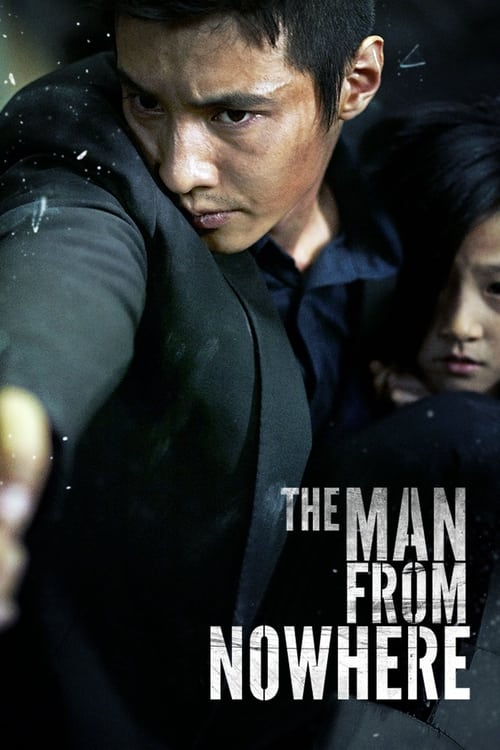
The Man from Nowhere
An ex-special agent is involved in a convoluted drug ring drama. He has to save a drug smuggler's innocent daughter from being the victim of her parents' fight.
Despite its tight budget of $1.3M, The Man from Nowhere became a box office phenomenon, earning $43.1M worldwide—a remarkable 3331% return. The film's unique voice attracted moviegoers, demonstrating that strong storytelling can transcend budget limitations.


Plot Structure
Story beats plotted across runtime


Narrative Arc
Emotional journey through the story's key moments
Story Circle
Blueprint 15-beat structure
Arcplot Score Breakdown
Weighted: Precision (70%) + Arc (15%) + Theme (15%)
The Man from Nowhere (2010) demonstrates precise story structure, characteristic of Lee Jeong-beom's storytelling approach. This structural analysis examines how the film's 15-point plot structure maps to proven narrative frameworks across 1 hour and 59 minutes. With an Arcplot score of 7.2, the film balances conventional beats with creative variation.
Structural Analysis
The Status Quo at 1 minutes (1% through the runtime) establishes Cha Tae-sik runs a small, quiet pawnshop in a rundown neighborhood. He lives as a recluse, avoiding human contact, his eyes empty and hollow. The neighborhood children mock him as a ghost, but young So-mi sees something different in him.. Structural examination shows that this early placement immediately immerses viewers in the story world.
The inciting incident occurs at 14 minutes when Hyo-jeong steals heroin from the drug traffickers and hides it at Tae-sik's pawnshop without his knowledge. The criminals discover the theft and kidnap both Hyo-jeong and So-mi, dragging Tae-sik into a deadly conflict he never sought.. At 12% through the film, this Disruption aligns precisely with traditional story structure. This beat shifts the emotional landscape, launching the protagonist into the central conflict.
The First Threshold at 30 minutes marks the transition into Act II, occurring at 25% of the runtime. This indicates the protagonist's commitment to Tae-sik makes the choice to rescue So-mi. He agrees to the gang's demands to deliver the drugs, but secretly plans to find and save the girl. He leaves his hermit existence behind and re-enters the violent world he once fled, his dormant skills reawakening., moving from reaction to action.
At 60 minutes, the Midpoint arrives at 50% of the runtime—precisely centered, creating perfect narrative symmetry. Structural examination shows that this crucial beat Tae-sik discovers the organ harvesting operation where children are being killed for their organs. He finds Hyo-jeong's mutilated corpse - she was murdered after her organs were harvested. The stakes become horrifyingly clear: So-mi faces the same fate. This false defeat reveals the true depth of evil he faces., fundamentally raising what's at risk. The emotional intensity shifts, dividing the narrative into clear before-and-after phases.
The Collapse moment at 89 minutes (75% through) represents the emotional nadir. Here, Tae-sik is captured by Ramrowan and the gang. Beaten and restrained, he is forced to watch via video feed as So-mi is prepared for surgery. The doctors begin the procedure. Everything he fought for seems lost - he will fail So-mi just as he failed his wife and unborn child., demonstrates the protagonist at their lowest point. This beat's placement in the final quarter sets up the climactic reversal.
The Second Threshold at 95 minutes initiates the final act resolution at 80% of the runtime. Tae-sik breaks free from his captors with explosive violence. He finally embraces what he is - not a broken man hiding from his past, but a weapon forged for exactly this purpose. His love for So-mi and his lethal skills merge. He will save this child or die trying., demonstrating the transformation achieved throughout the journey.
Emotional Journey
The Man from Nowhere's emotional architecture traces a deliberate progression across 15 carefully calibrated beats.
Narrative Framework
This structural analysis employs structural analysis methodology used to understand storytelling architecture. By mapping The Man from Nowhere against these established plot points, we can identify how Lee Jeong-beom utilizes or subverts traditional narrative conventions. The plot point approach reveals not only adherence to structural principles but also creative choices that distinguish The Man from Nowhere within the action genre.
Lee Jeong-beom's Structural Approach
Among the 2 Lee Jeong-beom films analyzed on Arcplot, the average structural score is 6.9, demonstrating varied approaches to story architecture. The Man from Nowhere represents one of the director's most structurally precise works. For comparative analysis, explore the complete Lee Jeong-beom filmography.
Comparative Analysis
Additional action films include The Bad Guys, Puss in Boots and Venom: The Last Dance. For more Lee Jeong-beom analyses, see No Tears for the Dead.
Plot Points by Act
Act I
SetupStatus Quo
Cha Tae-sik runs a small, quiet pawnshop in a rundown neighborhood. He lives as a recluse, avoiding human contact, his eyes empty and hollow. The neighborhood children mock him as a ghost, but young So-mi sees something different in him.
Theme
So-mi tells Tae-sik that he looks lonely, like her. She asks why he doesn't smile, stating that even sad people can still be kind to others. This captures the film's theme: connection and kindness can exist even in broken people.
Worldbuilding
The grim world of Seoul's underbelly is established. So-mi's mother Hyo-jeong is revealed to be a drug addict working as a mule for traffickers. Tae-sik's isolation and mysterious past are hinted at. So-mi becomes the only person who penetrates his emotional walls, bringing him small gifts and conversation.
Disruption
Hyo-jeong steals heroin from the drug traffickers and hides it at Tae-sik's pawnshop without his knowledge. The criminals discover the theft and kidnap both Hyo-jeong and So-mi, dragging Tae-sik into a deadly conflict he never sought.
Resistance
Tae-sik is confronted by the gang who demand the stolen drugs. He initially tries to stay uninvolved, but when he sees So-mi's backpack left behind and hears her screams on a phone call, his protective instincts awaken. Police detective Kim begins investigating, revealing Tae-sik's background as a former black ops agent whose pregnant wife was murdered.
Act II
ConfrontationFirst Threshold
Tae-sik makes the choice to rescue So-mi. He agrees to the gang's demands to deliver the drugs, but secretly plans to find and save the girl. He leaves his hermit existence behind and re-enters the violent world he once fled, his dormant skills reawakening.
Mirror World
So-mi is shown in captivity with other kidnapped children, being held for organ harvesting. Despite her terror, she clings to hope that the "ajusshi" (mister) will come for her. Her unwavering faith in Tae-sik represents the pure human connection he had abandoned, and becomes his reason for living.
Premise
Tae-sik's lethal skills are unleashed as he tears through the criminal underworld searching for So-mi. He infiltrates the gang, eliminates enforcers, and extracts information. The film delivers on its action premise with brutal, efficient combat showcasing his special forces training. Ramrowan, a Vietnamese assassin, is assigned to kill him.
Midpoint
Tae-sik discovers the organ harvesting operation where children are being killed for their organs. He finds Hyo-jeong's mutilated corpse - she was murdered after her organs were harvested. The stakes become horrifyingly clear: So-mi faces the same fate. This false defeat reveals the true depth of evil he faces.
Opposition
The criminals tighten their grip. Ramrowan hunts Tae-sik relentlessly. The police pursue him as a suspect. Jong-seok orders So-mi prepped for organ removal. Tae-sik faces opposition from all sides - the law, the assassin, and the trafficking organization - as time runs out for So-mi.
Collapse
Tae-sik is captured by Ramrowan and the gang. Beaten and restrained, he is forced to watch via video feed as So-mi is prepared for surgery. The doctors begin the procedure. Everything he fought for seems lost - he will fail So-mi just as he failed his wife and unborn child.
Crisis
In his darkest moment, Tae-sik flashes back to his wife's death and the emptiness that followed. The parallel is clear - he couldn't save his family then, and now history repeats. But So-mi's face, her faith in him, burns in his mind. His despair transforms into cold, focused rage.
Act III
ResolutionSecond Threshold
Tae-sik breaks free from his captors with explosive violence. He finally embraces what he is - not a broken man hiding from his past, but a weapon forged for exactly this purpose. His love for So-mi and his lethal skills merge. He will save this child or die trying.
Synthesis
Tae-sik storms the organ harvesting facility in a legendary single-take corridor fight, cutting through dozens of men. He reaches So-mi just before surgery. He confronts and kills the crime bosses. In a final knife duel, he defeats Ramrowan. The police arrive as Tae-sik emerges carrying So-mi, both covered in blood but alive.
Transformation
After being cleared by police due to the evidence of the trafficking ring, Tae-sik visits So-mi at the orphanage. She runs to embrace him, and for the first time, he smiles and holds her. The hollow ghost from the pawnshop is gone - he has found a reason to live and a connection to protect.