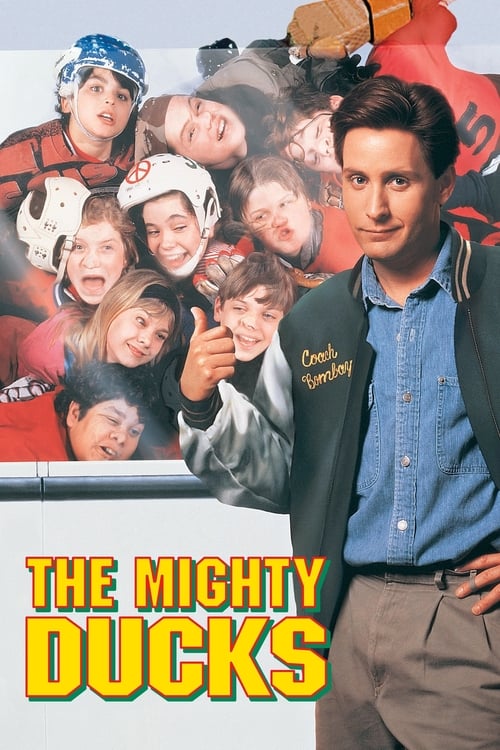
The Mighty Ducks
After reckless young lawyer Gordon Bombay gets arrested for drunk driving, he must coach a kids hockey team for his community service. Gordon has experience on the ice, but isn't eager to return to hockey, a point hit home by his tense dealings with his own former coach, Jack Reilly. The reluctant Gordon eventually grows to appreciate his team, which includes promising young Charlie Conway, and leads them to take on Reilly's tough players.
Despite its modest budget of $10.0M, The Mighty Ducks became a solid performer, earning $50.8M worldwide—a 408% return. The film's distinctive approach engaged audiences, confirming that strong storytelling can transcend budget limitations.


Plot Structure
Story beats plotted across runtime


Narrative Arc
Emotional journey through the story's key moments
Story Circle
Blueprint 15-beat structure
Arcplot Score Breakdown
Weighted: Precision (70%) + Arc (15%) + Theme (15%)
The Mighty Ducks (1992) exemplifies strategically placed narrative design, characteristic of Stephen Herek's storytelling approach. This structural analysis examines how the film's 15-point plot structure maps to proven narrative frameworks across 1 hour and 41 minutes. With an Arcplot score of 7.2, the film balances conventional beats with creative variation.
Structural Analysis
The Status Quo at 1 minutes (1% through the runtime) establishes Young Gordon Bombay misses the penalty shot in the championship game, disappointing his win-obsessed coach. Establishes Gordon's traumatic relationship with hockey and winning.. Significantly, this early placement immediately immerses viewers in the story world.
The inciting incident occurs at 12 minutes when Gordon meets District 5 for the first time and realizes he's stuck coaching the worst team in the league. His old life of prestige is disrupted by this humiliating obligation.. At 12% through the film, this Disruption aligns precisely with traditional story structure. This beat shifts the emotional landscape, launching the protagonist into the central conflict.
The First Threshold at 25 minutes marks the transition into Act II, occurring at 25% of the runtime. This indicates the protagonist's commitment to Gordon actively chooses to commit to the team. He gets them proper equipment sponsored by his boss at Ducksworth, rebrands them as "The Ducks," and begins real coaching. He enters the world of being their true coach., moving from reaction to action.
At 50 minutes, the Midpoint arrives at 50% of the runtime—precisely centered, creating perfect narrative symmetry. Notably, this crucial beat The Ducks make it to the championship game against the Hawks - Gordon's old team coached by Reilly. False victory: they've succeeded beyond expectations, but the stakes are now raised. Gordon must face his childhood trauma., fundamentally raising what's at risk. The emotional intensity shifts, dividing the narrative into clear before-and-after phases.
The Collapse moment at 75 minutes (74% through) represents the emotional nadir. Here, The team quits on Gordon before the championship. Charlie tells him "You're just like Reilly" - the ultimate death of Gordon's transformation. He's lost the kids and lost himself. His dream of redemptive victory dies., illustrates the protagonist at their lowest point. This beat's placement in the final quarter sets up the climactic reversal.
The Second Threshold at 80 minutes initiates the final act resolution at 79% of the runtime. Gordon apologizes to the team, acknowledging he lost sight of what matters. He synthesizes his coaching skills with the lesson of playing for love, not winning. "It's not worth winning if you can't be proud of the way you win." The team reunites for the championship., demonstrating the transformation achieved throughout the journey.
Emotional Journey
The Mighty Ducks's emotional architecture traces a deliberate progression across 15 carefully calibrated beats.
Narrative Framework
This structural analysis employs systematic plot point analysis that identifies crucial turning points. By mapping The Mighty Ducks against these established plot points, we can identify how Stephen Herek utilizes or subverts traditional narrative conventions. The plot point approach reveals not only adherence to structural principles but also creative choices that distinguish The Mighty Ducks within the comedy genre.
Stephen Herek's Structural Approach
Among the 11 Stephen Herek films analyzed on Arcplot, the average structural score is 7.2, reflecting strong command of classical structure. The Mighty Ducks represents one of the director's most structurally precise works. For comparative analysis, explore the complete Stephen Herek filmography.
Comparative Analysis
Additional comedy films include The Bad Guys, Ella Enchanted and The Evening Star. For more Stephen Herek analyses, see Rock Star, 101 Dalmatians and Critters.
Plot Points by Act
Act I
SetupStatus Quo
Young Gordon Bombay misses the penalty shot in the championship game, disappointing his win-obsessed coach. Establishes Gordon's traumatic relationship with hockey and winning.
Theme
The judge tells Gordon: "You need to learn there's more to life than winning." Sets up the thematic journey from ego to community.
Worldbuilding
Gordon's arrogant life as a successful lawyer is established. He drives drunk, gets arrested, and is sentenced to 500 hours of community service coaching a youth hockey team. We meet the ragtag District 5 team - talentless, equipment-less, and winless.
Disruption
Gordon meets District 5 for the first time and realizes he's stuck coaching the worst team in the league. His old life of prestige is disrupted by this humiliating obligation.
Resistance
Gordon resists coaching, showing up late and putting in minimal effort. He debates whether to take the kids seriously. Hans (the ice rink owner) begins mentoring Gordon, pushing him to care. Gordon starts teaching the kids his old tricks and dirty tactics.
Act II
ConfrontationFirst Threshold
Gordon actively chooses to commit to the team. He gets them proper equipment sponsored by his boss at Ducksworth, rebrands them as "The Ducks," and begins real coaching. He enters the world of being their true coach.
Mirror World
Charlie Conway emerges as the heart of the team and Gordon's emotional connection. Their growing relationship represents what Gordon lost as a child - the pure joy of playing. Gordon also reconnects with Hans, his father figure.
Premise
The "fun and games" of watching the Ducks transform. Gordon teaches creative plays, recruits new players (Fulton, Adam Banks), and the team starts winning. Montages of practice, bonding, and victories. Gordon rediscovers his love of hockey and becomes emotionally invested.
Midpoint
The Ducks make it to the championship game against the Hawks - Gordon's old team coached by Reilly. False victory: they've succeeded beyond expectations, but the stakes are now raised. Gordon must face his childhood trauma.
Opposition
Gordon becomes obsessed with beating Reilly and winning the championship. He pushes the kids too hard, practices become joyless, and he starts mirroring Reilly's win-at-all-costs mentality. The team feels betrayed. Gordon's old flaws resurface as pressure mounts.
Collapse
The team quits on Gordon before the championship. Charlie tells him "You're just like Reilly" - the ultimate death of Gordon's transformation. He's lost the kids and lost himself. His dream of redemptive victory dies.
Crisis
Gordon sits alone, confronting his darkness. Hans visits and helps Gordon process his childhood trauma - showing him that Reilly's abuse wasn't his fault, and winning isn't everything. Gordon mourns his lost childhood and his recent mistakes.
Act III
ResolutionSecond Threshold
Gordon apologizes to the team, acknowledging he lost sight of what matters. He synthesizes his coaching skills with the lesson of playing for love, not winning. "It's not worth winning if you can't be proud of the way you win." The team reunites for the championship.
Synthesis
The championship game finale. The Ducks play with heart and joy against the Hawks. Gordon coaches with wisdom, not ego. Adam Banks (who was transferred to the Ducks) scores to tie the game. Charlie gets a penalty shot - mirroring Gordon's childhood trauma - with seconds left.
Transformation
Charlie misses the penalty shot, and the Ducks lose the championship. But Gordon and the team celebrate anyway - they're proud of how they played. Gordon has transformed from a win-obsessed lawyer to someone who values character over victory. The team carries him off on their shoulders in joyful defeat.