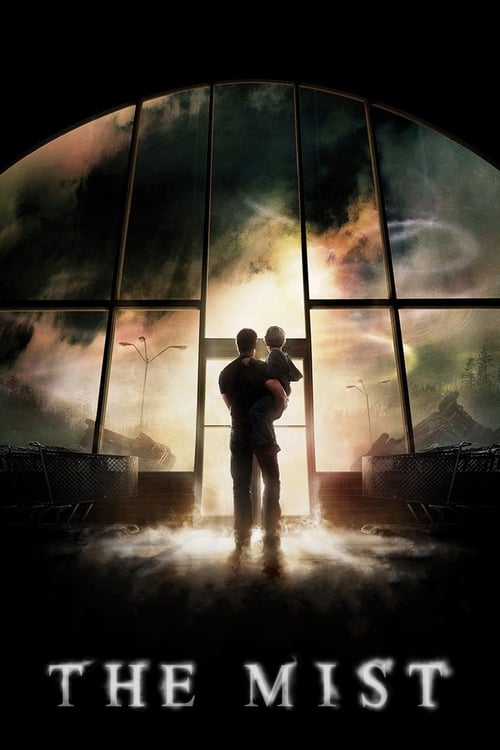
The Mist
After a violent storm, a dense cloud of mist envelops a small Maine town, trapping David Drayton and his five-year-old son in a local grocery store with other local residents. They soon discover that the mist conceals deadly horrors that threaten their lives, and worse, their sanity.
Despite a respectable budget of $18.0M, The Mist became a commercial success, earning $57.5M worldwide—a 219% return.
6 wins & 13 nominations


Plot Structure
Story beats plotted across runtime


Narrative Arc
Emotional journey through the story's key moments
Story Circle
Blueprint 15-beat structure
Arcplot Score Breakdown
Weighted: Precision (70%) + Arc (15%) + Theme (15%)
The Mist (2007) reveals meticulously timed narrative design, characteristic of Frank Darabont's storytelling approach. This structural analysis examines how the film's 15-point plot structure maps to proven narrative frameworks across 2 hours and 6 minutes. With an Arcplot score of 7.1, the film balances conventional beats with creative variation.
Structural Analysis
The Status Quo at 2 minutes (1% through the runtime) establishes David Drayton in his lakeside home studio, working on movie poster art with his son Billy nearby. A peaceful morning in their normal life before the storm.. Of particular interest, this early placement immediately immerses viewers in the story world.
The inciting incident occurs at 16 minutes when The mist rolls into town and envelops the supermarket. Dan Miller runs in bleeding, screaming "There's something in the mist!" The sirens sound and everyone is trapped inside.. At 12% through the film, this Disruption aligns precisely with traditional story structure. This beat shifts the emotional landscape, launching the protagonist into the central conflict.
The First Threshold at 31 minutes marks the transition into Act II, occurring at 25% of the runtime. This indicates the protagonist's commitment to The loading dock attack kills Norm when tentacles drag him into the mist. David and others now know the threat is real and there's no denying the creatures exist. They must actively choose to survive., moving from reaction to action.
At 62 minutes, the Midpoint arrives at 50% of the runtime—precisely centered, creating perfect narrative symmetry. Notably, this crucial beat The massive insects attack through the windows at night. Multiple deaths including MP's suicide by burning. The store descends into chaos and Mrs. Carmody's influence reaches its peak. Stakes dramatically raised., fundamentally raising what's at risk. The emotional intensity shifts, dividing the narrative into clear before-and-after phases.
The Collapse moment at 94 minutes (74% through) represents the emotional nadir. Here, Private Jessup is sacrificed to the creatures by Mrs. Carmody's mob. David realizes they will be next, that Billy will be killed. All hope for reason and civilization has died inside the store., indicates the protagonist at their lowest point. This beat's placement in the final quarter sets up the climactic reversal.
The Second Threshold at 100 minutes initiates the final act resolution at 79% of the runtime. David and his group escape into the mist in his truck, choosing certain death in the unknown over certain death by mob. Active choice to take control of their fate, even if it means dying on their own terms., demonstrating the transformation achieved throughout the journey.
Emotional Journey
The Mist's emotional architecture traces a deliberate progression across 15 carefully calibrated beats.
Narrative Framework
This structural analysis employs systematic plot point analysis that identifies crucial turning points. By mapping The Mist against these established plot points, we can identify how Frank Darabont utilizes or subverts traditional narrative conventions. The plot point approach reveals not only adherence to structural principles but also creative choices that distinguish The Mist within the horror genre.
Frank Darabont's Structural Approach
Among the 4 Frank Darabont films analyzed on Arcplot, the average structural score is 6.4, demonstrating varied approaches to story architecture. The Mist represents one of the director's most structurally precise works. For comparative analysis, explore the complete Frank Darabont filmography.
Comparative Analysis
Additional horror films include Thinner, A Nightmare on Elm Street and Mary Reilly. For more Frank Darabont analyses, see The Shawshank Redemption, The Majestic and The Green Mile.
Plot Points by Act
Act I
SetupStatus Quo
David Drayton in his lakeside home studio, working on movie poster art with his son Billy nearby. A peaceful morning in their normal life before the storm.
Theme
Norton discusses property lines and stubborn pride with David after the storm damage. "There's something in the mist" becomes the central question of belief vs. rationality.
Worldbuilding
Establishing David's family, his contentious relationship with neighbor Norton, the mysterious storm that damages properties, and the trip to town for supplies that sets up the community dynamics.
Disruption
The mist rolls into town and envelops the supermarket. Dan Miller runs in bleeding, screaming "There's something in the mist!" The sirens sound and everyone is trapped inside.
Resistance
Debate and denial in the store. Norton insists it's just mist. Mrs. Carmody begins preaching about the end times. David tries to keep people calm while investigating strange sounds. The loading dock scene reveals tentacles.
Act II
ConfrontationFirst Threshold
The loading dock attack kills Norm when tentacles drag him into the mist. David and others now know the threat is real and there's no denying the creatures exist. They must actively choose to survive.
Mirror World
Amanda Dumfries becomes David's ally and represents the human connection/hope theme. Her care for others and moral clarity contrasts with Mrs. Carmody's fanaticism.
Premise
Exploring the premise of "surviving against impossible creatures." Norton's expedition into the mist, different creature attacks, Mrs. Carmody's cult growing, David's group trying to maintain reason and find solutions.
Midpoint
The massive insects attack through the windows at night. Multiple deaths including MP's suicide by burning. The store descends into chaos and Mrs. Carmody's influence reaches its peak. Stakes dramatically raised.
Opposition
Mrs. Carmody's cult takes control. She demands human sacrifice. David's group becomes the target. The rational world has collapsed and fanaticism rules. Growing desperation as supplies dwindle and hope fades.
Collapse
Private Jessup is sacrificed to the creatures by Mrs. Carmody's mob. David realizes they will be next, that Billy will be killed. All hope for reason and civilization has died inside the store.
Crisis
Dark night of the soul as David faces the impossible choice: stay and watch his son be sacrificed, or risk the mist. Ollie shoots Mrs. Carmody. The group makes their desperate escape.
Act III
ResolutionSecond Threshold
David and his group escape into the mist in his truck, choosing certain death in the unknown over certain death by mob. Active choice to take control of their fate, even if it means dying on their own terms.
Synthesis
The drive through hell: colossal creatures, David's destroyed home, finding his wife dead. Out of gas with no hope. David mercy-kills the others including Billy to spare them from the creatures. He faces the mist alone.
Transformation
The military arrives with survivors moments after David kills everyone. His son would have lived. David's scream of ultimate despair - he has become the embodiment of hopelessness he tried to fight against.