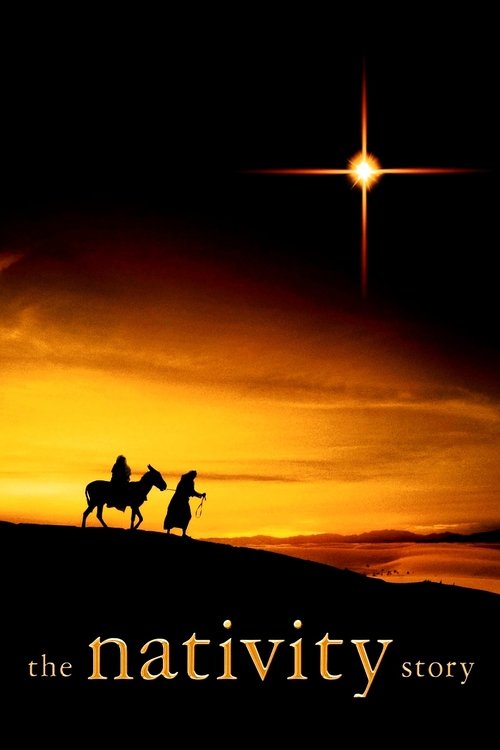
The Nativity Story
Mary and Joseph make the hard journey to Bethlehem for a blessed event in this retelling of the Nativity story. This meticulously researched and visually lush adaptation of the biblical tale follows the pair on their arduous path to their arrival in a small village, where they find shelter in a quiet manger and Jesus is born.
Working with a mid-range budget of $35.0M, the film achieved a respectable showing with $46.4M in global revenue (+33% profit margin).
3 wins & 3 nominations


Plot Structure
Story beats plotted across runtime


Narrative Arc
Emotional journey through the story's key moments
Story Circle
Blueprint 15-beat structure
Arcplot Score Breakdown
Weighted: Precision (70%) + Arc (15%) + Theme (15%)
The Nativity Story (2006) exemplifies strategically placed dramatic framework, characteristic of Catherine Hardwicke's storytelling approach. This structural analysis examines how the film's 15-point plot structure maps to proven narrative frameworks across 1 hour and 41 minutes. With an Arcplot score of 7.6, the film showcases strong structural fundamentals.
Structural Analysis
The Status Quo at 1 minutes (1% through the runtime) establishes Mary as a young girl in Nazareth, living a simple life with her family, showing innocence and devotion through daily prayers and rituals before her life changes forever.. Notably, this early placement immediately immerses viewers in the story world.
The inciting incident occurs at 12 minutes when The Angel Gabriel appears to Mary, announcing she will conceive and bear the Son of God - a terrifying, impossible proclamation that shatters her ordinary life and puts her at risk of death by stoning.. At 11% through the film, this Disruption aligns precisely with traditional story structure. This beat shifts the emotional landscape, launching the protagonist into the central conflict.
The First Threshold at 25 minutes marks the transition into Act II, occurring at 25% of the runtime. This shows the protagonist's commitment to Joseph receives an angelic vision confirming Mary's story and actively chooses to take her as his wife despite the scandal, committing himself to protecting her and the child - entering a new world of faith., moving from reaction to action.
At 51 minutes, the Midpoint arrives at 50% of the runtime—precisely centered, creating perfect narrative symmetry. Structural examination shows that this crucial beat King Herod learns of the prophecy about a king being born in Bethlehem and orders the Magi to find the child - raising the stakes dramatically as the threat to Jesus's life becomes concrete and deadly., fundamentally raising what's at risk. The emotional intensity shifts, dividing the narrative into clear before-and-after phases.
The Collapse moment at 75 minutes (74% through) represents the emotional nadir. Here, Mary goes into full labor in a cold stable with no midwife, facing the pain and danger of childbirth in the most desperate circumstances - the moment of greatest vulnerability and apparent abandonment., demonstrates the protagonist at their lowest point. This beat's placement in the final quarter sets up the climactic reversal.
The Second Threshold at 80 minutes initiates the final act resolution at 79% of the runtime. Jesus is born - the moment of divine breakthrough where Mary and Joseph's faith is vindicated, transforming suffering into joy and fulfilling the promise; they understand their role in God's plan., demonstrating the transformation achieved throughout the journey.
Emotional Journey
The Nativity Story's emotional architecture traces a deliberate progression across 15 carefully calibrated beats.
Narrative Framework
This structural analysis employs a 15-point narrative structure framework that maps key story moments. By mapping The Nativity Story against these established plot points, we can identify how Catherine Hardwicke utilizes or subverts traditional narrative conventions. The plot point approach reveals not only adherence to structural principles but also creative choices that distinguish The Nativity Story within the drama genre.
Catherine Hardwicke's Structural Approach
Among the 7 Catherine Hardwicke films analyzed on Arcplot, the average structural score is 7.4, reflecting strong command of classical structure. The Nativity Story represents one of the director's most structurally precise works. For comparative analysis, explore the complete Catherine Hardwicke filmography.
Comparative Analysis
Additional drama films include After Thomas, South Pacific and Dirty Dancing: Havana Nights. For more Catherine Hardwicke analyses, see Twilight, Red Riding Hood and Thirteen.
Plot Points by Act
Act I
SetupStatus Quo
Mary as a young girl in Nazareth, living a simple life with her family, showing innocence and devotion through daily prayers and rituals before her life changes forever.
Theme
Mary's mother speaks about faith, trust, and accepting God's will even when we don't understand it - establishing the central theme of faith in the face of impossible circumstances.
Worldbuilding
Establishment of first-century Nazareth under Roman occupation, Mary's arranged betrothal to Joseph, introduction of political tensions with Herod, and the ordinary rhythms of Jewish life and tradition.
Disruption
The Angel Gabriel appears to Mary, announcing she will conceive and bear the Son of God - a terrifying, impossible proclamation that shatters her ordinary life and puts her at risk of death by stoning.
Resistance
Mary struggles with fear and doubt about her miraculous pregnancy, visits her cousin Elizabeth (who confirms the miracle), while Joseph debates whether to quietly divorce her or expose her apparent infidelity.
Act II
ConfrontationFirst Threshold
Joseph receives an angelic vision confirming Mary's story and actively chooses to take her as his wife despite the scandal, committing himself to protecting her and the child - entering a new world of faith.
Mirror World
Mary and Joseph's relationship deepens as he pledges to care for her; their growing bond represents the human love that will sustain them through the divine mission, embodying partnership and trust.
Premise
The journey to Bethlehem begins as Mary and Joseph navigate the census decree, face hardships on the road, encounter fellow travelers, and grow closer while Mary's pregnancy advances and the birth approaches.
Midpoint
King Herod learns of the prophecy about a king being born in Bethlehem and orders the Magi to find the child - raising the stakes dramatically as the threat to Jesus's life becomes concrete and deadly.
Opposition
Mary and Joseph arrive in overcrowded Bethlehem and are rejected from inn after inn; Mary's labor begins with no shelter, Herod's paranoia intensifies, and the Magi draw closer - pressure mounting from all sides.
Collapse
Mary goes into full labor in a cold stable with no midwife, facing the pain and danger of childbirth in the most desperate circumstances - the moment of greatest vulnerability and apparent abandonment.
Crisis
Mary struggles through labor while Joseph frantically tries to help; the darkest hour before dawn as they face this trial with only their faith to sustain them in the humble, isolated stable.
Act III
ResolutionSecond Threshold
Jesus is born - the moment of divine breakthrough where Mary and Joseph's faith is vindicated, transforming suffering into joy and fulfilling the promise; they understand their role in God's plan.
Synthesis
The shepherds arrive after angelic proclamation, the Magi present their gifts, Mary and Joseph present Jesus at the temple, they flee to Egypt to escape Herod's massacre - completing the nativity story.
Transformation
Mary holds the infant Jesus, transformed from frightened girl to mother of the Messiah, her face radiating peace and strength - the fulfillment of faith showing who she has become through her journey.