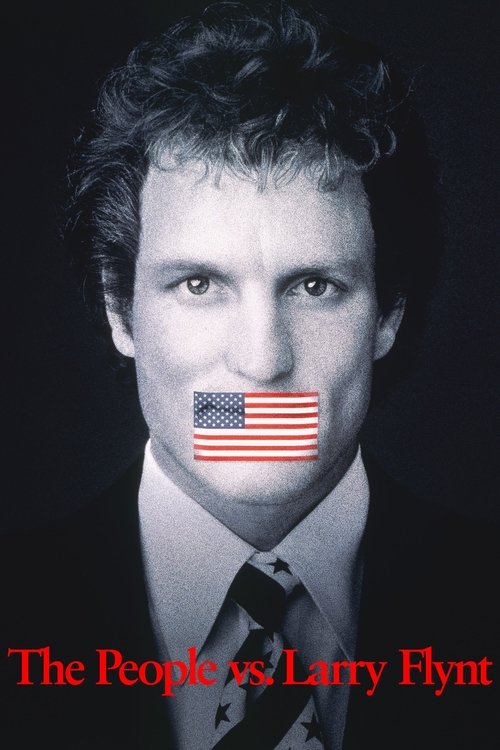
The People vs. Larry Flynt
Larry Flynt is the hedonistically obnoxious, but indomitable, publisher of Hustler magazine. The film recounts his struggle to make an honest living publishing his girlie magazine and how it changes into a battle to protect the freedom of speech for all people.
The film underperformed commercially against its mid-range budget of $36.0M, earning $20.3M globally (-44% loss). While initial box office returns were modest, the film has gained appreciation for its distinctive approach within the drama genre.
Nominated for 2 Oscars. 22 wins & 35 nominations


Plot Structure
Story beats plotted across runtime


Narrative Arc
Emotional journey through the story's key moments
Story Circle
Blueprint 15-beat structure
Arcplot Score Breakdown
Weighted: Precision (70%) + Arc (15%) + Theme (15%)
The People vs. Larry Flynt (1996) showcases precise narrative design, characteristic of Miloš Forman's storytelling approach. This structural analysis examines how the film's 15-point plot structure maps to proven narrative frameworks across 2 hours and 10 minutes. With an Arcplot score of 7.1, the film balances conventional beats with creative variation.
Structural Analysis
The Status Quo at 1 minutes (1% through the runtime) establishes Young Larry Flynt selling moonshine in rural Kentucky, establishing his entrepreneurial hustle and working-class roots before entering the adult entertainment industry.. Notably, this early placement immediately immerses viewers in the story world.
The inciting incident occurs at 15 minutes when Larry publishes the first issue of Hustler magazine, making the bold decision to compete directly with Playboy and Penthouse by being more explicit and provocative.. At 12% through the film, this Disruption aligns precisely with traditional story structure. This beat shifts the emotional landscape, launching the protagonist into the central conflict.
The First Threshold at 33 minutes marks the transition into Act II, occurring at 25% of the runtime. This indicates the protagonist's commitment to Larry publishes nude photos of Jackie Kennedy Onassis, causing massive controversy but skyrocketing Hustler's circulation to millions. He fully commits to being America's most notorious pornographer and free speech provocateur., moving from reaction to action.
At 64 minutes, the Midpoint arrives at 50% of the runtime—precisely centered, creating perfect narrative symmetry. Notably, this crucial beat Larry is shot by a sniper outside a courthouse in Georgia, leaving him paralyzed from the waist down and in chronic pain. A false victory (fame and success) becomes a devastating defeat that changes everything., fundamentally raising what's at risk. The emotional intensity shifts, dividing the narrative into clear before-and-after phases.
The Collapse moment at 96 minutes (74% through) represents the emotional nadir. Here, Althea dies from AIDS-related drowning in the bathtub. Larry loses his soulmate, the one person who truly understood him and kept him grounded. The "whiff of death" is literal., indicates the protagonist at their lowest point. This beat's placement in the final quarter sets up the climactic reversal.
The Second Threshold at 102 minutes initiates the final act resolution at 79% of the runtime. Alan Isaacman convinces Larry to appeal the Falwell verdict to the Supreme Court. Larry realizes his fight is bigger than himself—it's about protecting the First Amendment for everyone, which gives him renewed purpose., demonstrating the transformation achieved throughout the journey.
Emotional Journey
The People vs. Larry Flynt's emotional architecture traces a deliberate progression across 15 carefully calibrated beats.
Narrative Framework
This structural analysis employs proven narrative structure principles that track dramatic progression. By mapping The People vs. Larry Flynt against these established plot points, we can identify how Miloš Forman utilizes or subverts traditional narrative conventions. The plot point approach reveals not only adherence to structural principles but also creative choices that distinguish The People vs. Larry Flynt within the drama genre.
Miloš Forman's Structural Approach
Among the 6 Miloš Forman films analyzed on Arcplot, the average structural score is 6.3, demonstrating varied approaches to story architecture. The People vs. Larry Flynt represents one of the director's most structurally precise works. For comparative analysis, explore the complete Miloš Forman filmography.
Comparative Analysis
Additional drama films include After Thomas, South Pacific and Dirty Dancing: Havana Nights. For more Miloš Forman analyses, see Hair, Goya's Ghosts and One Flew Over the Cuckoo's Nest.
Plot Points by Act
Act I
SetupStatus Quo
Young Larry Flynt selling moonshine in rural Kentucky, establishing his entrepreneurial hustle and working-class roots before entering the adult entertainment industry.
Theme
Larry's early strip club days establish the film's central theme: "If the First Amendment will protect a scumbag like me, then it will protect all of you." The conflict between free speech and moral standards is introduced.
Worldbuilding
Larry runs strip clubs in Ohio, meets Althea Leasure (who becomes his wife and business partner), and conceives the idea for Hustler magazine as a newsletter for his clubs.
Disruption
Larry publishes the first issue of Hustler magazine, making the bold decision to compete directly with Playboy and Penthouse by being more explicit and provocative.
Resistance
Larry struggles to make Hustler profitable, facing distribution problems and obscenity charges. Althea supports him while lawyer Alan Isaacman enters as counsel. Larry debates whether to tone down content or push boundaries harder.
Act II
ConfrontationFirst Threshold
Larry publishes nude photos of Jackie Kennedy Onassis, causing massive controversy but skyrocketing Hustler's circulation to millions. He fully commits to being America's most notorious pornographer and free speech provocateur.
Mirror World
Larry and Althea's relationship deepens as they marry and become true partners. Althea represents the human cost and emotional truth behind Larry's public persona, grounding his crusade in genuine connection.
Premise
Larry becomes wealthy and famous, fights multiple obscenity trials, appears in court wearing an American flag diaper, and becomes a celebrity outlaw. The "fun" of watching Larry battle censorship and authority.
Midpoint
Larry is shot by a sniper outside a courthouse in Georgia, leaving him paralyzed from the waist down and in chronic pain. A false victory (fame and success) becomes a devastating defeat that changes everything.
Opposition
Larry becomes addicted to painkillers, his behavior grows erratic and self-destructive, Althea contracts HIV, and prosecutor Charles Keating intensifies legal attacks. Reverend Jerry Falwell sues for libel over a Hustler parody ad.
Collapse
Althea dies from AIDS-related drowning in the bathtub. Larry loses his soulmate, the one person who truly understood him and kept him grounded. The "whiff of death" is literal.
Crisis
Larry spirals into despair and drug addiction after Althea's death, becoming a shell of himself. He questions whether his fight for free speech was worth the personal cost.
Act III
ResolutionSecond Threshold
Alan Isaacman convinces Larry to appeal the Falwell verdict to the Supreme Court. Larry realizes his fight is bigger than himself—it's about protecting the First Amendment for everyone, which gives him renewed purpose.
Synthesis
Larry and his legal team argue Hustler Magazine v. Falwell before the Supreme Court, making the case that satire and parody are protected speech. Larry transforms from selfish provocateur to unlikely defender of constitutional rights.
Transformation
The Supreme Court rules unanimously (8-0) in Larry's favor. Larry Flynt, pornographer and outcast, becomes a landmark defender of free speech. The closing image shows him vindicated but alone, having paid an enormous personal price for principle.