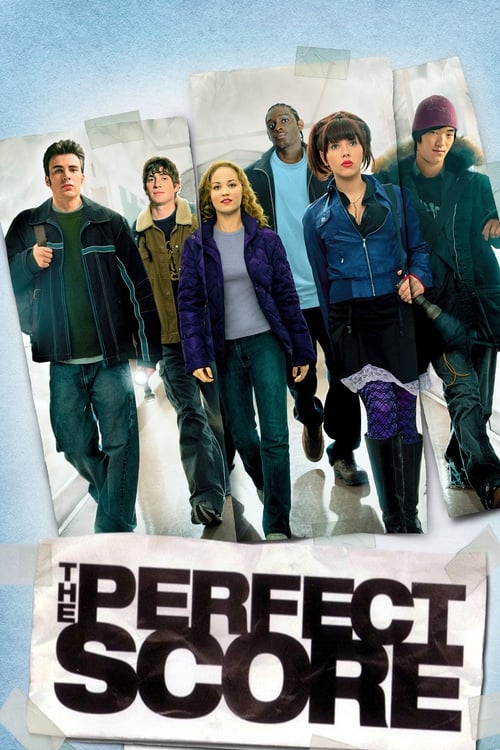
The Perfect Score
Six high school seniors decide to break into the Princeton Testing Center so they can steal the answers to their upcoming SAT tests and all get perfect scores.
The film earned $10.9M at the global box office.


Plot Structure
Story beats plotted across runtime


Narrative Arc
Emotional journey through the story's key moments
Story Circle
Blueprint 15-beat structure
Arcplot Score Breakdown
Weighted: Precision (70%) + Arc (15%) + Theme (15%)
The Perfect Score (2004) showcases strategically placed plot construction, characteristic of Brian Robbins's storytelling approach. This structural analysis examines how the film's 15-point plot structure maps to proven narrative frameworks across 1 hour and 33 minutes. With an Arcplot score of 6.5, the film balances conventional beats with creative variation.
Structural Analysis
The Status Quo at 1 minutes (1% through the runtime) establishes Kyle and his friends are stressed high school seniors defined entirely by their upcoming SAT scores, which will determine their college futures and life trajectories.. Of particular interest, this early placement immediately immerses viewers in the story world.
The inciting incident occurs at 12 minutes when Kyle bombs his SAT practice test and learns his scores won't be good enough for the architectural scholarship he desperately needs. His future crumbles before his eyes.. At 13% through the film, this Disruption is delayed, allowing extended setup of the story world. This beat shifts the emotional landscape, launching the protagonist into the central conflict.
The First Threshold at 24 minutes marks the transition into Act II, occurring at 25% of the runtime. This indicates the protagonist's commitment to The group makes the active decision to go through with the heist. They commit to the plan and begin preparations to break into the ETS building, crossing the line from talk to action., moving from reaction to action.
At 47 minutes, the Midpoint arrives at 50% of the runtime—precisely centered, creating perfect narrative symmetry. Notably, this crucial beat The team successfully breaks into the ETS building and reaches the vault containing the SAT answers. False victory: they think they've won, but the real challenges of conscience and consequences lie ahead., fundamentally raising what's at risk. The emotional intensity shifts, dividing the narrative into clear before-and-after phases.
The Collapse moment at 69 minutes (75% through) represents the emotional nadir. Here, The group fractures as members fight over whether to use the stolen answers. Their friendship dies as they realize the heist has compromised their integrity and they've become the cheaters they never wanted to be., demonstrates the protagonist at their lowest point. This beat's placement in the final quarter sets up the climactic reversal.
The Second Threshold at 74 minutes initiates the final act resolution at 80% of the runtime. Kyle realizes the real answer isn't in the stolen test - it's having the courage to face the SAT honestly and define himself by his choices, not his score. He rallies the group to make things right., demonstrating the transformation achieved throughout the journey.
Emotional Journey
The Perfect Score's emotional architecture traces a deliberate progression across 15 carefully calibrated beats.
Narrative Framework
This structural analysis employs systematic plot point analysis that identifies crucial turning points. By mapping The Perfect Score against these established plot points, we can identify how Brian Robbins utilizes or subverts traditional narrative conventions. The plot point approach reveals not only adherence to structural principles but also creative choices that distinguish The Perfect Score within the comedy genre.
Brian Robbins's Structural Approach
Among the 8 Brian Robbins films analyzed on Arcplot, the average structural score is 7.2, reflecting strong command of classical structure. The Perfect Score takes a more unconventional approach compared to the director's typical style. For comparative analysis, explore the complete Brian Robbins filmography.
Comparative Analysis
Additional comedy films include The Bad Guys, Ella Enchanted and The Evening Star. For more Brian Robbins analyses, see Meet Dave, Hardball and A Thousand Words.
Plot Points by Act
Act I
SetupStatus Quo
Kyle and his friends are stressed high school seniors defined entirely by their upcoming SAT scores, which will determine their college futures and life trajectories.
Theme
A teacher or counselor mentions that standardized tests don't define who you are - your choices and character matter more than a number.
Worldbuilding
Introduction of six diverse students: Kyle (needs scholarship), Matty (basketball future), Francesca (perfectionist), Anna (wealthy actress), Roy (stoner), and Desmond (genius). Each faces unique pressure from the SAT affecting their dreams.
Disruption
Kyle bombs his SAT practice test and learns his scores won't be good enough for the architectural scholarship he desperately needs. His future crumbles before his eyes.
Resistance
Kyle debates the impossible: stealing the SAT answers from ETS. He reluctantly recruits each team member based on their unique skills, facing resistance and moral objections while planning the heist.
Act II
ConfrontationFirst Threshold
The group makes the active decision to go through with the heist. They commit to the plan and begin preparations to break into the ETS building, crossing the line from talk to action.
Mirror World
Kyle and Anna grow closer as they work together on the heist. Their developing relationship represents the human connections that matter more than test scores - the thematic heart of the story.
Premise
The fun heist planning and execution: gathering intel, learning security systems, running practice drills. The team bonds while pulling off increasingly daring reconnaissance missions at the ETS building.
Midpoint
The team successfully breaks into the ETS building and reaches the vault containing the SAT answers. False victory: they think they've won, but the real challenges of conscience and consequences lie ahead.
Opposition
Complications mount: near-captures by security, internal group conflicts about the morality of cheating, relationship tensions, and the growing realization that stealing answers might not solve their real problems.
Collapse
The group fractures as members fight over whether to use the stolen answers. Their friendship dies as they realize the heist has compromised their integrity and they've become the cheaters they never wanted to be.
Crisis
Each character wrestles with their conscience in isolation. Kyle and the others face the dark truth that cheating their way to success means losing themselves and what they've built together.
Act III
ResolutionSecond Threshold
Kyle realizes the real answer isn't in the stolen test - it's having the courage to face the SAT honestly and define himself by his choices, not his score. He rallies the group to make things right.
Synthesis
The group decides not to use the answers and takes the SAT legitimately. They return or destroy the stolen materials, repair their friendships, and face the test with newfound confidence in who they are.
Transformation
The group emerges from the testing center together, relieved and united. Regardless of their scores, they've discovered their true worth isn't measured by a test - they've defined themselves through integrity and friendship.