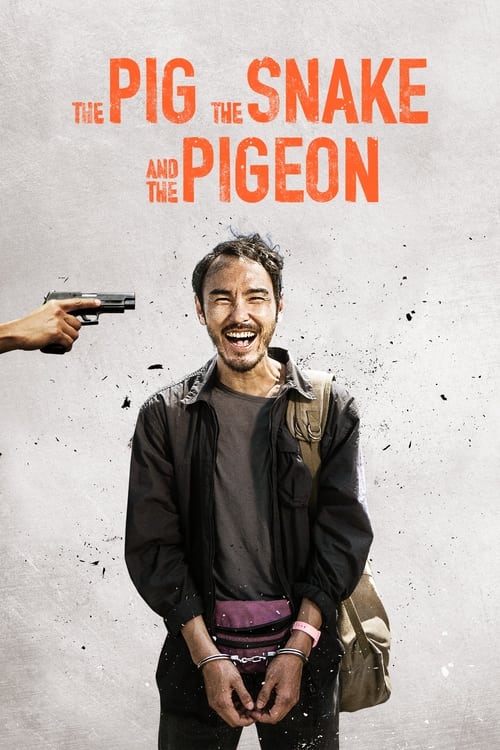
The Pig, the Snake and the Pigeon
The arrogant, third most-wanted criminal in Taiwan, decides to get rid of the top two competitors and crowns himself the most-wanted criminal before dying.
The film earned $91.6M at the global box office.


Plot Structure
Story beats plotted across runtime


Narrative Arc
Emotional journey through the story's key moments
Story Circle
Blueprint 15-beat structure
Arcplot Score Breakdown
Weighted: Precision (70%) + Arc (15%) + Theme (15%)
The Pig, the Snake and the Pigeon (2023) reveals deliberately positioned narrative design, characteristic of Wong Ching-Po's storytelling approach. This structural analysis examines how the film's 15-point plot structure maps to proven narrative frameworks across 2 hours and 14 minutes. With an Arcplot score of 6.9, the film balances conventional beats with creative variation.
Structural Analysis
The Status Quo at 2 minutes (1% through the runtime) establishes Chen Kui-Lin lives as a fugitive criminal, operating in Taiwan's underworld with casual violence and no particular ambition beyond survival.. Significantly, this early placement immediately immerses viewers in the story world.
The inciting incident occurs at 17 minutes when Chen discovers he's only number three on Taiwan's most-wanted list. His ego is wounded by this ranking, sparking an obsessive need to become number one.. At 13% through the film, this Disruption is delayed, allowing extended setup of the story world. This beat shifts the emotional landscape, launching the protagonist into the central conflict.
The First Threshold at 33 minutes marks the transition into Act II, occurring at 25% of the runtime. This demonstrates the protagonist's commitment to Chen commits fully to his plan to eliminate the criminals above him. He makes his first move against one of the top-ranked criminals, crossing into a more dangerous world., moving from reaction to action.
At 66 minutes, the Midpoint arrives at 50% of the runtime—precisely centered, creating perfect narrative symmetry. Structural examination shows that this crucial beat Chen successfully eliminates one of the top criminals (false victory). He appears to be winning, getting closer to his goal, but this success escalates law enforcement attention and makes him more dangerous enemies., fundamentally raising what's at risk. The emotional intensity shifts, dividing the narrative into clear before-and-after phases.
The Collapse moment at 99 minutes (74% through) represents the emotional nadir. Here, Chen's world collapses - a close ally dies, or he's cornered by authorities, or his past catches up devastatingly. The "whiff of death" is literal. His quest for recognition has destroyed everything., demonstrates the protagonist at their lowest point. This beat's placement in the final quarter sets up the climactic reversal.
The Second Threshold at 107 minutes initiates the final act resolution at 80% of the runtime. Chen gains new clarity - either accepting his fate, finding a final purpose, or discovering information that reframes everything. He moves toward the inevitable conclusion with clear eyes., demonstrating the transformation achieved throughout the journey.
Emotional Journey
The Pig, the Snake and the Pigeon's emotional architecture traces a deliberate progression across 15 carefully calibrated beats.
Narrative Framework
This structural analysis employs structural analysis methodology used to understand storytelling architecture. By mapping The Pig, the Snake and the Pigeon against these established plot points, we can identify how Wong Ching-Po utilizes or subverts traditional narrative conventions. The plot point approach reveals not only adherence to structural principles but also creative choices that distinguish The Pig, the Snake and the Pigeon within the crime genre.
Comparative Analysis
Additional crime films include The Bad Guys, Rustom and The Whole Ten Yards.
Plot Points by Act
Act I
SetupStatus Quo
Chen Kui-Lin lives as a fugitive criminal, operating in Taiwan's underworld with casual violence and no particular ambition beyond survival.
Theme
A character remarks on the nature of ego and recognition: "Being remembered is what separates men from beasts." This speaks to the film's exploration of identity, legacy, and the corruption of ambition.
Worldbuilding
Establishment of Chen's life on the run, his criminal network, relationship dynamics, and the criminal ecosystem of Taiwan. We see his capabilities and moral bankruptcy.
Disruption
Chen discovers he's only number three on Taiwan's most-wanted list. His ego is wounded by this ranking, sparking an obsessive need to become number one.
Resistance
Chen researches the criminals ranked above him - "The Pig" and "The Snake" - learning their operations and weaknesses. He debates whether to pursue this dangerous path and plans his approach.
Act II
ConfrontationFirst Threshold
Chen commits fully to his plan to eliminate the criminals above him. He makes his first move against one of the top-ranked criminals, crossing into a more dangerous world.
Mirror World
Introduction or deepening of Chen's relationship with characters who represent alternative paths - possibly a journalist, police detective, or someone from his past who reflects what he could have been.
Premise
The "fun and games" of Chen executing his plan - hunting the other criminals, using cunning and violence, ascending the criminal hierarchy. The premise delivers on its promise: watching a villain try to become the ultimate villain.
Midpoint
Chen successfully eliminates one of the top criminals (false victory). He appears to be winning, getting closer to his goal, but this success escalates law enforcement attention and makes him more dangerous enemies.
Opposition
The walls close in. Police intensify their manhunt. Rival criminals retaliate. Chen's allies are threatened or killed. His obsession costs him relationships and safety. Every victory brings new complications.
Collapse
Chen's world collapses - a close ally dies, or he's cornered by authorities, or his past catches up devastatingly. The "whiff of death" is literal. His quest for recognition has destroyed everything.
Crisis
Chen confronts the emptiness of his ambition. In his darkest moment, he processes what he's lost and what his obsession has cost. A period of reflection before final action.
Act III
ResolutionSecond Threshold
Chen gains new clarity - either accepting his fate, finding a final purpose, or discovering information that reframes everything. He moves toward the inevitable conclusion with clear eyes.
Synthesis
The finale. Chen faces his final confrontation - with police, with the remaining criminal, with himself. All threads converge. The chase reaches its conclusion. Resolution of his quest and its consequences.
Transformation
Final image showing the aftermath of Chen's journey. Whether captured, dead, or transformed, the closing mirrors the opening but reveals the cost of his obsession - a cautionary transformation.