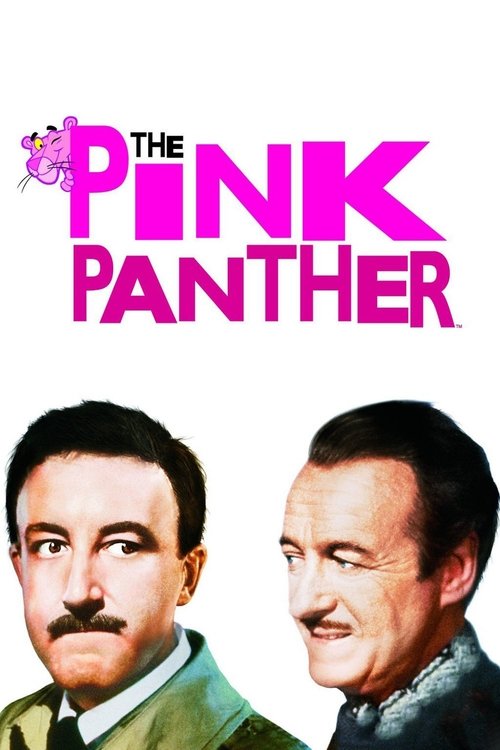
The Pink Panther
The trademark of The Phantom, a renowned jewel thief, is a glove left at the scene of the crime. Inspector Clouseau, an expert on The Phantom's exploits, feels sure that he knows where The Phantom will strike next and leaves Paris for the Tyrolean Alps, where the famous Lugashi jewel 'The Pink Panther' is going to be. However, he does not know who The Phantom really is, or for that matter who anyone else really is...
The film earned $10.9M at the global box office.
Nominated for 1 Oscar. 5 wins & 9 nominations


Plot Structure
Story beats plotted across runtime


Narrative Arc
Emotional journey through the story's key moments
Story Circle
Blueprint 15-beat structure
Arcplot Score Breakdown
Weighted: Precision (70%) + Arc (15%) + Theme (15%)
The Pink Panther (1963) exhibits strategically placed story structure, characteristic of Blake Edwards's storytelling approach. This structural analysis examines how the film's 15-point plot structure maps to proven narrative frameworks across 1 hour and 55 minutes. With an Arcplot score of 7.3, the film balances conventional beats with creative variation.
Structural Analysis
The Status Quo at 1 minutes (1% through the runtime) establishes The animated Pink Panther opening credits establish a world of playful deception and mischief. We see the ski resort at Cortina d'Ampezzo where the idle rich gather, setting up the glamorous world of jewel thieves and incompetent detection.. The analysis reveals that this early placement immediately immerses viewers in the story world.
The inciting incident occurs at 13 minutes when The Phantom sends his calling card announcing his intention to steal the Pink Panther diamond. This disrupts the status quo and sets the cat-and-mouse game in motion, forcing Clouseau into action to protect the diamond.. At 12% through the film, this Disruption aligns precisely with traditional story structure. This beat shifts the emotional landscape, launching the protagonist into the central conflict.
The First Threshold at 28 minutes marks the transition into Act II, occurring at 25% of the runtime. This reveals the protagonist's commitment to Sir Charles makes the active choice to seduce Princess Dala and commit to stealing the Pink Panther. Simultaneously, Clouseau fully commits to catching the Phantom, setting his elaborate (incompetent) surveillance in motion., moving from reaction to action.
At 57 minutes, the Midpoint arrives at 50% of the runtime—precisely centered, creating perfect narrative symmetry. Of particular interest, this crucial beat False victory: Sir Charles successfully steals the Pink Panther diamond during an elaborate costume ball. Everything seems to have gone perfectly, but this raises the stakes—now he must escape with it, and his feelings for Princess Dala complicate his escape., fundamentally raising what's at risk. The emotional intensity shifts, dividing the narrative into clear before-and-after phases.
The Collapse moment at 85 minutes (74% through) represents the emotional nadir. Here, Sir Charles and George are both arrested for the theft. Sir Charles's perfect criminal career appears to be over—the "death" of his identity as the untouchable Phantom. His relationship with Princess Dala seems destroyed by the revelation of his deception., demonstrates the protagonist at their lowest point. This beat's placement in the final quarter sets up the climactic reversal.
The Second Threshold at 92 minutes initiates the final act resolution at 80% of the runtime. The revelation that Simone (Clouseau's wife) is the Phantom's accomplice and has been all along. This twist provides new information that recontextualizes everything. Clouseau is destroyed, but Sir Charles sees a path forward through the chaos., demonstrating the transformation achieved throughout the journey.
Emotional Journey
The Pink Panther's emotional architecture traces a deliberate progression across 15 carefully calibrated beats.
Narrative Framework
This structural analysis employs proven narrative structure principles that track dramatic progression. By mapping The Pink Panther against these established plot points, we can identify how Blake Edwards utilizes or subverts traditional narrative conventions. The plot point approach reveals not only adherence to structural principles but also creative choices that distinguish The Pink Panther within the comedy genre.
Blake Edwards's Structural Approach
Among the 15 Blake Edwards films analyzed on Arcplot, the average structural score is 7.1, reflecting strong command of classical structure. The Pink Panther represents one of the director's most structurally precise works. For comparative analysis, explore the complete Blake Edwards filmography.
Comparative Analysis
Additional comedy films include The Bad Guys, Ella Enchanted and The Evening Star. For more Blake Edwards analyses, see Revenge of the Pink Panther, Curse of the Pink Panther and 10.
Plot Points by Act
Act I
SetupStatus Quo
The animated Pink Panther opening credits establish a world of playful deception and mischief. We see the ski resort at Cortina d'Ampezzo where the idle rich gather, setting up the glamorous world of jewel thieves and incompetent detection.
Theme
Sir Charles Lytton (the Phantom) discusses the art of deception with another guest, noting "the perfect crime is one where the criminal is never suspected." This establishes the film's central theme: appearances versus reality, competence versus bumbling luck.
Worldbuilding
Introduction of the key players: Inspector Clouseau arriving with his wife Simone, Princess Dala with the Pink Panther diamond, Sir Charles Lytton (secretly the Phantom thief), and his nephew George. The romantic entanglements and jewel heist plot are established.
Disruption
The Phantom sends his calling card announcing his intention to steal the Pink Panther diamond. This disrupts the status quo and sets the cat-and-mouse game in motion, forcing Clouseau into action to protect the diamond.
Resistance
Clouseau bumbles through his investigation while unknowingly being cuckolded by his wife Simone and Sir Charles. Sir Charles romances Princess Dala to get close to the diamond. Multiple romantic and criminal plots interweave as characters debate their next moves.
Act II
ConfrontationFirst Threshold
Sir Charles makes the active choice to seduce Princess Dala and commit to stealing the Pink Panther. Simultaneously, Clouseau fully commits to catching the Phantom, setting his elaborate (incompetent) surveillance in motion.
Mirror World
The romance between Sir Charles and Princess Dala deepens, creating the "B Story" that mirrors the theme. This relationship represents genuine connection amid a world of deception, forcing Sir Charles to question his criminal lifestyle.
Premise
The "fun and games" of watching Clouseau's spectacular incompetence while Sir Charles executes increasingly complex plans. Bedroom farce scenes, mistaken identities, and elaborate heist preparations deliver the comic premise the audience came for.
Midpoint
False victory: Sir Charles successfully steals the Pink Panther diamond during an elaborate costume ball. Everything seems to have gone perfectly, but this raises the stakes—now he must escape with it, and his feelings for Princess Dala complicate his escape.
Opposition
The investigation intensifies. Multiple suspects emerge as George also tries to steal the diamond. Clouseau's dragnet tightens (though for all the wrong reasons). Sir Charles finds it increasingly difficult to fence the diamond and escape, while his conscience troubles him about Princess Dala.
Collapse
Sir Charles and George are both arrested for the theft. Sir Charles's perfect criminal career appears to be over—the "death" of his identity as the untouchable Phantom. His relationship with Princess Dala seems destroyed by the revelation of his deception.
Crisis
In custody, Sir Charles processes his fate. The dark night of the soul as he contemplates prison and the loss of Princess Dala. Meanwhile, Clouseau basks in his "triumph," completely unaware of the ironic truth.
Act III
ResolutionSecond Threshold
The revelation that Simone (Clouseau's wife) is the Phantom's accomplice and has been all along. This twist provides new information that recontextualizes everything. Clouseau is destroyed, but Sir Charles sees a path forward through the chaos.
Synthesis
The finale plays out in court and beyond. The trial becomes a farce exposing everyone's secrets. Sir Charles accepts his sentence with dignity but maintains Princess Dala's affection. The diamond's fate and all romantic entanglements resolve in unexpected ways.
Transformation
Final image mirrors the opening: Sir Charles, now reformed and with Princess Dala, has transformed from lone criminal to someone capable of genuine connection. Clouseau remains blissfully incompetent but somehow successful—nothing has changed for him, emphasizing the film's ironic worldview.