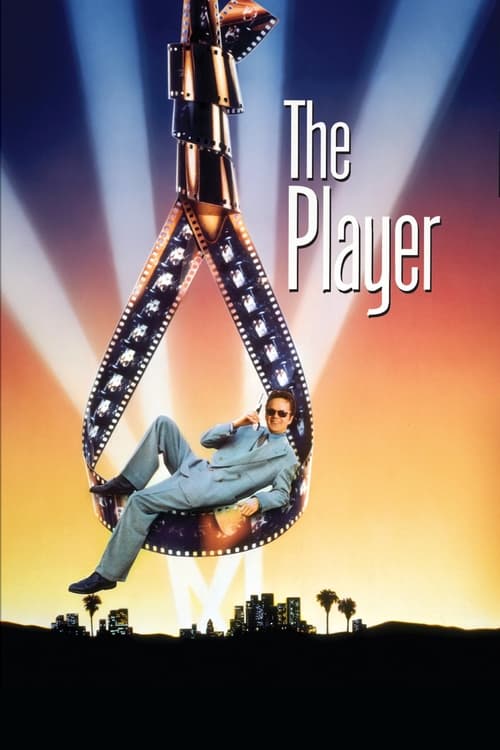
The Player
A Hollywood studio executive is being sent death threats by a writer whose script he rejected - but which one?
Despite its modest budget of $8.0M, The Player became a financial success, earning $21.7M worldwide—a 171% return.
Nominated for 3 Oscars. 24 wins & 33 nominations


Plot Structure
Story beats plotted across runtime


Narrative Arc
Emotional journey through the story's key moments
Story Circle
Blueprint 15-beat structure
Arcplot Score Breakdown
Weighted: Precision (70%) + Arc (15%) + Theme (15%)
The Player (1992) exhibits precise narrative design, characteristic of Robert Altman's storytelling approach. This structural analysis examines how the film's 15-point plot structure maps to proven narrative frameworks across 2 hours and 4 minutes. With an Arcplot score of 6.6, the film balances conventional beats with creative variation.
Structural Analysis
The Status Quo at 1 minutes (1% through the runtime) establishes Griffin Mill navigates the bustling Hollywood studio lot in a virtuoso opening tracking shot, establishing him as a powerful studio executive in his element, taking pitches and wielding influence in the entertainment industry machine.. Significantly, this early placement immediately immerses viewers in the story world.
The inciting incident occurs at 15 minutes when Griffin receives an ominous threatening postcard that escalates the menace, making him paranoid and fearful for his safety. The anonymous writer's threats become impossible to ignore, disrupting his comfortable status quo.. At 12% through the film, this Disruption aligns precisely with traditional story structure. This beat shifts the emotional landscape, launching the protagonist into the central conflict.
The First Threshold at 31 minutes marks the transition into Act II, occurring at 25% of the runtime. This shows the protagonist's commitment to Griffin makes the active choice to confront David Kahane face-to-face after the movie. This decision sets in motion the events that will transform his life, moving him from victim of threats to active participant in a dangerous game., moving from reaction to action.
At 62 minutes, the Midpoint arrives at 50% of the runtime—precisely centered, creating perfect narrative symmetry. Structural examination shows that this crucial beat False victory: The police seem to accept Griffin's story about the murder being self-defense during a robbery. Griffin appears to have gotten away with it, and his relationship with June deepens. But the stakes have been raised—he's now fully committed to the cover-up., fundamentally raising what's at risk. The emotional intensity shifts, dividing the narrative into clear before-and-after phases.
The Collapse moment at 93 minutes (75% through) represents the emotional nadir. Here, Griffin is brought in for a police lineup, facing the real possibility of being identified and charged with murder. His career, freedom, and entire fabricated life hang in the balance. This is his darkest moment—the death of his illusion of control., reveals the protagonist at their lowest point. This beat's placement in the final quarter sets up the climactic reversal.
The Second Threshold at 100 minutes initiates the final act resolution at 81% of the runtime. The witness fails to identify Griffin in the lineup. This narrow escape gives him the breakthrough realization that he can actually get away with murder in Hollywood—that the system protects people like him. He fully embraces his dark transformation., demonstrating the transformation achieved throughout the journey.
Emotional Journey
The Player's emotional architecture traces a deliberate progression across 15 carefully calibrated beats.
Narrative Framework
This structural analysis employs a 15-point narrative structure framework that maps key story moments. By mapping The Player against these established plot points, we can identify how Robert Altman utilizes or subverts traditional narrative conventions. The plot point approach reveals not only adherence to structural principles but also creative choices that distinguish The Player within the mystery genre.
Robert Altman's Structural Approach
Among the 10 Robert Altman films analyzed on Arcplot, the average structural score is 6.9, demonstrating varied approaches to story architecture. The Player takes a more unconventional approach compared to the director's typical style. For comparative analysis, explore the complete Robert Altman filmography.
Comparative Analysis
Additional mystery films include Lone Star, The Wicker Man and A Soldier's Story. For more Robert Altman analyses, see Cookie's Fortune, Dr. T & the Women and Nashville.
Plot Points by Act
Act I
SetupStatus Quo
Griffin Mill navigates the bustling Hollywood studio lot in a virtuoso opening tracking shot, establishing him as a powerful studio executive in his element, taking pitches and wielding influence in the entertainment industry machine.
Theme
A writer pitches "The Graduate Part 2" and someone remarks on how Hollywood recycles everything and lacks original ideas, establishing the theme of artistic integrity versus commercial compromise and the moral bankruptcy of the film industry.
Worldbuilding
Griffin's world as a studio executive is established: he attends pitch meetings, manages his precarious position as younger executive Larry Levy threatens his job, and receives threatening postcards from a disgruntled writer he rejected.
Disruption
Griffin receives an ominous threatening postcard that escalates the menace, making him paranoid and fearful for his safety. The anonymous writer's threats become impossible to ignore, disrupting his comfortable status quo.
Resistance
Griffin debates how to handle the threatening writer, investigates who might be sending the postcards, and eventually decides to confront David Kahane, a writer he suspects. He tracks Kahane to a movie theater in Pasadena.
Act II
ConfrontationFirst Threshold
Griffin makes the active choice to confront David Kahane face-to-face after the movie. This decision sets in motion the events that will transform his life, moving him from victim of threats to active participant in a dangerous game.
Mirror World
Griffin meets June Gudmundsdottir, Kahane's girlfriend, after the murder. She represents authenticity and genuine feeling in contrast to Hollywood's superficiality, becoming the thematic counterpoint to Griffin's morally compromised world.
Premise
Griffin navigates the aftermath of killing Kahane—evading police detection, managing the investigation, maintaining his studio position, and pursuing a relationship with June. The "fun and games" of watching him manipulate and scheme his way through the murder cover-up.
Midpoint
False victory: The police seem to accept Griffin's story about the murder being self-defense during a robbery. Griffin appears to have gotten away with it, and his relationship with June deepens. But the stakes have been raised—he's now fully committed to the cover-up.
Opposition
Detective Avery becomes increasingly suspicious and continues investigating. Griffin's position at the studio becomes more precarious as Larry Levy gains power. The threatening postcards continue, revealing Kahane wasn't the writer. Pressure mounts from all sides.
Collapse
Griffin is brought in for a police lineup, facing the real possibility of being identified and charged with murder. His career, freedom, and entire fabricated life hang in the balance. This is his darkest moment—the death of his illusion of control.
Crisis
Griffin processes the terror of potential exposure and imprisonment. He contemplates the consequences of his actions and the moral void he's fallen into, even as he continues his relationship with June and maintains his Hollywood façade.
Act III
ResolutionSecond Threshold
The witness fails to identify Griffin in the lineup. This narrow escape gives him the breakthrough realization that he can actually get away with murder in Hollywood—that the system protects people like him. He fully embraces his dark transformation.
Synthesis
Griffin consolidates his victory: he marries June (now pregnant), regains his power at the studio, and successfully produces the compromised version of "Habeas Corpus" with a happy ending and major stars. He has become everything the film critiques.
Transformation
Griffin relaxes by his pool with June, having achieved complete success and immunity. The real threatening writer pitches him a story about a studio executive who gets away with murder—Griffin casually buys it. He has transformed into a monster who has won, mirroring the opening but revealing his complete moral corruption.