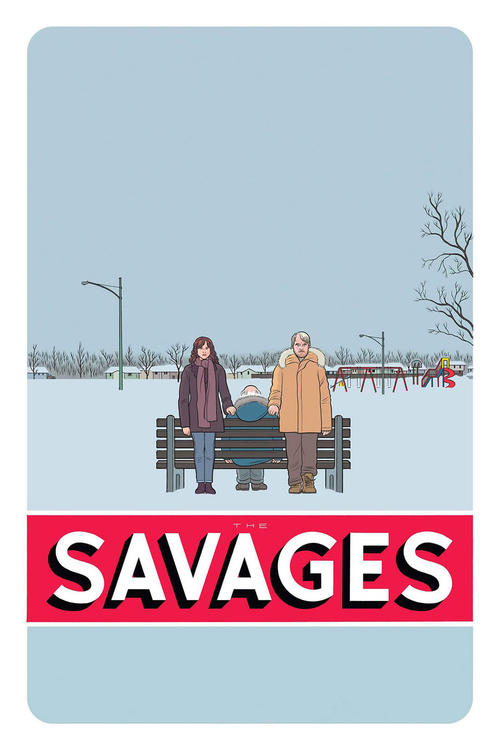
The Savages
A sister and brother face the realities of familial responsibility as they begin to care for their ailing father.
The film earned $10.7M at the global box office.
Nominated for 2 Oscars. 17 wins & 33 nominations


Plot Structure
Story beats plotted across runtime


Narrative Arc
Emotional journey through the story's key moments
Story Circle
Blueprint 15-beat structure
Arcplot Score Breakdown
Weighted: Precision (70%) + Arc (15%) + Theme (15%)
The Savages (2007) exemplifies carefully calibrated dramatic framework, characteristic of Tamara Jenkins's storytelling approach. This structural analysis examines how the film's 15-point plot structure maps to proven narrative frameworks across 1 hour and 54 minutes. With an Arcplot score of 7.2, the film balances conventional beats with creative variation.
Structural Analysis
The Status Quo at 1 minutes (1% through the runtime) establishes Sun City, Arizona: elderly residents exercise in synchronized movements while Lenny Savage's girlfriend Doris shows signs of dementia. The artificial cheerfulness masks decay and decline.. Significantly, this early placement immediately immerses viewers in the story world.
The inciting incident occurs at 14 minutes when The call comes: Doris has died, and Lenny—the father who abused them as children—has dementia. He wrote obscenities on the bathroom wall in feces. The siblings must now deal with the man they've spent their lives escaping.. At 12% through the film, this Disruption aligns precisely with traditional story structure. This beat shifts the emotional landscape, launching the protagonist into the central conflict.
The First Threshold at 29 minutes marks the transition into Act II, occurring at 25% of the runtime. This illustrates the protagonist's commitment to Jon and Wendy decide to move Lenny to a nursing home in Buffalo near Jon. They choose the affordable Valley View—not the upscale facility Wendy wanted. They are now caregivers to their abuser., moving from reaction to action.
At 57 minutes, the Midpoint arrives at 50% of the runtime—precisely centered, creating perfect narrative symmetry. Of particular interest, this crucial beat Wendy receives a Guggenheim rejection letter while sitting in the nursing home. Her play about family dysfunction—her attempt to process trauma through art—is deemed unworthy. Meanwhile, Lenny's condition worsens. False defeat: both her creative escape and her father's body are failing., fundamentally raising what's at risk. The emotional intensity shifts, dividing the narrative into clear before-and-after phases.
The Collapse moment at 86 minutes (75% through) represents the emotional nadir. Here, Lenny is moved to hospice. He's dying. Jon breaks down in the car, finally releasing decades of suppressed grief and rage. The whiff of death becomes literal—their abuser, the source of their dysfunction, is actually dying. They must face the man before he's gone., illustrates the protagonist at their lowest point. This beat's placement in the final quarter sets up the climactic reversal.
The Second Threshold at 91 minutes initiates the final act resolution at 80% of the runtime. Lenny dies. In his death, Jon and Wendy find an unexpected peace. They don't forgive him, but they release the grip his abuse had on their lives. Caring for him in his final days was the closure they never expected., demonstrating the transformation achieved throughout the journey.
Emotional Journey
The Savages's emotional architecture traces a deliberate progression across 15 carefully calibrated beats.
Narrative Framework
This structural analysis employs structural analysis methodology used to understand storytelling architecture. By mapping The Savages against these established plot points, we can identify how Tamara Jenkins utilizes or subverts traditional narrative conventions. The plot point approach reveals not only adherence to structural principles but also creative choices that distinguish The Savages within the drama genre.
Tamara Jenkins's Structural Approach
Among the 2 Tamara Jenkins films analyzed on Arcplot, the average structural score is 7.0, reflecting strong command of classical structure. The Savages represents one of the director's most structurally precise works. For comparative analysis, explore the complete Tamara Jenkins filmography.
Comparative Analysis
Additional drama films include After Thomas, South Pacific and Dirty Dancing: Havana Nights. For more Tamara Jenkins analyses, see Slums of Beverly Hills.
Plot Points by Act
Act I
SetupStatus Quo
Sun City, Arizona: elderly residents exercise in synchronized movements while Lenny Savage's girlfriend Doris shows signs of dementia. The artificial cheerfulness masks decay and decline.
Theme
Wendy, in her affair with a married man, deflects questions about her own life by focusing on her "play about family dysfunction." The theme emerges: confronting the past we've spent our lives avoiding.
Worldbuilding
We meet the estranged Savage siblings: Wendy in New York applying for grants and sleeping with Larry, a married neighbor; Jon in Buffalo, an academic in a stalled relationship with Polish girlfriend Kasia whose visa is expiring. Both avoid commitment and their painful family history.
Disruption
The call comes: Doris has died, and Lenny—the father who abused them as children—has dementia. He wrote obscenities on the bathroom wall in feces. The siblings must now deal with the man they've spent their lives escaping.
Resistance
Wendy flies to Arizona and confronts the reality: Doris's family wants nothing to do with Lenny. Jon reluctantly joins. The siblings navigate hostile in-laws, medical bureaucracy, and their own resistance. Neither wants this responsibility.
Act II
ConfrontationFirst Threshold
Jon and Wendy decide to move Lenny to a nursing home in Buffalo near Jon. They choose the affordable Valley View—not the upscale facility Wendy wanted. They are now caregivers to their abuser.
Mirror World
The nursing home becomes a mirror world where the siblings must confront aging, mortality, and their own arrested development. The institutional setting reflects their emotional paralysis—everyone here is waiting to die, including their unlived lives.
Premise
The dark comedy of caregiving: Wendy moves to Buffalo temporarily, criticizes Jon's choices, advocates for Lenny's comfort while Jon maintains clinical distance. They argue about pillows, about quality of care, about who's doing more—avoiding the real issue of their shared trauma.
Midpoint
Wendy receives a Guggenheim rejection letter while sitting in the nursing home. Her play about family dysfunction—her attempt to process trauma through art—is deemed unworthy. Meanwhile, Lenny's condition worsens. False defeat: both her creative escape and her father's body are failing.
Opposition
Everything deteriorates. Kasia leaves Jon for Poland. Wendy's affair with Larry implodes when his wife confronts her. Lenny becomes increasingly confused and hostile. The siblings' defense mechanisms crumble as they're forced to spend real time with their father and each other.
Collapse
Lenny is moved to hospice. He's dying. Jon breaks down in the car, finally releasing decades of suppressed grief and rage. The whiff of death becomes literal—their abuser, the source of their dysfunction, is actually dying. They must face the man before he's gone.
Crisis
The siblings sit vigil. Old resentments surface but something shifts—they're finally present with each other and with Lenny. Wendy brings a small TV so he can watch movies. Jon reads to him. Small acts of care for a man who never cared for them.
Act III
ResolutionSecond Threshold
Lenny dies. In his death, Jon and Wendy find an unexpected peace. They don't forgive him, but they release the grip his abuse had on their lives. Caring for him in his final days was the closure they never expected.
Synthesis
Six months later: Jon's book on Brecht is published. Wendy's play is being produced—she watches rehearsals of actors playing her family's story. They've transformed their pain into something meaningful. Jon and Kasia reconnect. Wendy adopts a dog from the shelter.
Transformation
Wendy walks her new dog through the city, alive and present. She's no longer hiding in affairs or grant applications. The final image mirrors the opening's institutional sterility with genuine vitality—she's chosen life, imperfect and her own.