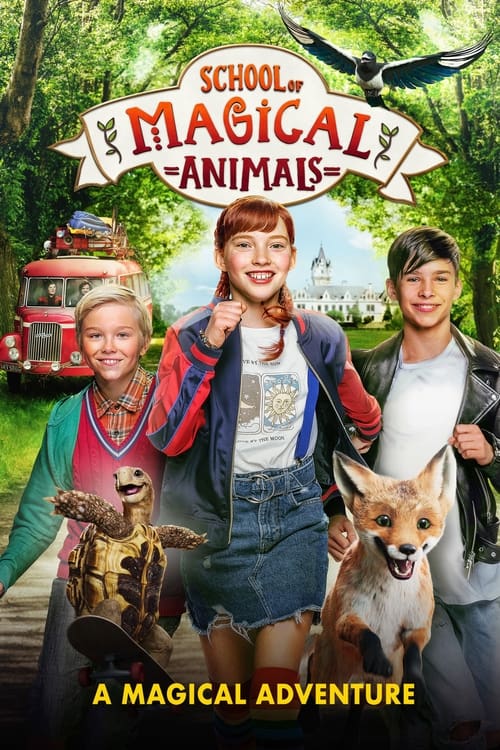
The School of the Magical Animals
Ida Kronenberg must transfer to a new school, where she soon realizes the students are unkind to each other. However, that all changes when a new teacher, Miss Cornfield, begins to educate them on the value of friendship and magic.
Working with a limited budget of $11.7M, the film achieved a steady performer with $22.0M in global revenue (+88% profit margin).


Plot Structure
Story beats plotted across runtime


Narrative Arc
Emotional journey through the story's key moments
Story Circle
Blueprint 15-beat structure
Arcplot Score Breakdown
Weighted: Precision (70%) + Arc (15%) + Theme (15%)
The School of the Magical Animals (2021) showcases strategically placed narrative architecture, characteristic of Gregor Schnitzler's storytelling approach. This structural analysis examines how the film's 15-point plot structure maps to proven narrative frameworks across 1 hour and 33 minutes. With an Arcplot score of 7.7, the film showcases strong structural fundamentals.
Structural Analysis
The Status Quo at 1 minutes (1% through the runtime) establishes Ida is the new girl at school, feeling isolated and alone. She sits by herself at lunch while other students have established friendships, establishing her outsider status and loneliness.. The analysis reveals that this early placement immediately immerses viewers in the story world.
The inciting incident occurs at 11 minutes when Ida receives her magical animal companion - Rabbat the fox - who can talk to her. This extraordinary event disrupts her ordinary lonely existence and offers the possibility of friendship and belonging.. At 12% through the film, this Disruption aligns precisely with traditional story structure. This beat shifts the emotional landscape, launching the protagonist into the central conflict.
The First Threshold at 23 minutes marks the transition into Act II, occurring at 25% of the runtime. This illustrates the protagonist's commitment to Ida makes the active choice to trust Rabbat and embrace the magical world. She decides to work with her classmate Benni and his chameleon Caspar to solve the mystery of strange occurrences at school, entering the adventure fully., moving from reaction to action.
At 46 minutes, the Midpoint arrives at 49% of the runtime—precisely centered, creating perfect narrative symmetry. Significantly, this crucial beat False defeat: Ida and Benni discover that someone is sabotaging the school and threatening the magical animals program. The stakes raise dramatically - they could lose their companions. The mystery becomes dangerous, and the fun and games are over., fundamentally raising what's at risk. The emotional intensity shifts, dividing the narrative into clear before-and-after phases.
The Collapse moment at 69 minutes (74% through) represents the emotional nadir. Here, The magical animals are discovered and threatened with being taken away forever. Ida faces losing Rabbat - her first real friend. The program appears dead, and with it, Ida's chance at belonging. This represents a death of hope and friendship., demonstrates the protagonist at their lowest point. This beat's placement in the final quarter sets up the climactic reversal.
The Second Threshold at 74 minutes initiates the final act resolution at 80% of the runtime. Ida realizes that true friendship means taking risks and standing up for others. She combines her newfound courage (from Rabbat) with her intelligence to identify the real saboteur and formulate a plan to save the magical animals program., demonstrating the transformation achieved throughout the journey.
Emotional Journey
The School of the Magical Animals's emotional architecture traces a deliberate progression across 15 carefully calibrated beats.
Narrative Framework
This structural analysis employs proven narrative structure principles that track dramatic progression. By mapping The School of the Magical Animals against these established plot points, we can identify how Gregor Schnitzler utilizes or subverts traditional narrative conventions. The plot point approach reveals not only adherence to structural principles but also creative choices that distinguish The School of the Magical Animals within the family genre.
Comparative Analysis
Additional family films include The Black Stallion, The Bad Guys and Ella Enchanted.
Plot Points by Act
Act I
SetupStatus Quo
Ida is the new girl at school, feeling isolated and alone. She sits by herself at lunch while other students have established friendships, establishing her outsider status and loneliness.
Theme
Mr. Mortimer Morrison, the magical animals shopkeeper, explains that "everyone has a special companion waiting for them - you just have to be ready to accept them." This states the theme of finding belonging through accepting friendship.
Worldbuilding
Introduction to Winterstein School, its students, and the mysterious magical animals program. We meet Ida's classmates including popular Helene, kind Jo, and learn about Miss Cornfield's special class. The world of talking magical animal companions is established.
Disruption
Ida receives her magical animal companion - Rabbat the fox - who can talk to her. This extraordinary event disrupts her ordinary lonely existence and offers the possibility of friendship and belonging.
Resistance
Ida learns the rules of the magical animals program and debates whether to trust Rabbat. She's hesitant to open up emotionally. Rabbat encourages her to take chances and make friends, but she resists due to fear of rejection.
Act II
ConfrontationFirst Threshold
Ida makes the active choice to trust Rabbat and embrace the magical world. She decides to work with her classmate Benni and his chameleon Caspar to solve the mystery of strange occurrences at school, entering the adventure fully.
Mirror World
Ida's friendship with Benni deepens as they work together. Benni, who also struggled with fitting in before receiving Caspar, serves as a mirror showing Ida what friendship and acceptance look like. Their partnership carries the thematic message.
Premise
The fun of having magical animal companions - Ida and Rabbat bond, solving school mysteries together. They investigate suspicious activities, use magical abilities, and Ida begins making friends. The promise of "a girl and her magical fox solving mysteries" is delivered.
Midpoint
False defeat: Ida and Benni discover that someone is sabotaging the school and threatening the magical animals program. The stakes raise dramatically - they could lose their companions. The mystery becomes dangerous, and the fun and games are over.
Opposition
The saboteur's actions intensify, threatening to expose the magical animals to the wrong people. Ida's friendships are tested as suspicion falls on different students. Helene and other antagonistic forces close in, making everything harder for Ida and her friends.
Collapse
The magical animals are discovered and threatened with being taken away forever. Ida faces losing Rabbat - her first real friend. The program appears dead, and with it, Ida's chance at belonging. This represents a death of hope and friendship.
Crisis
Ida processes the devastating loss, reflecting on what Rabbat and her new friendships have meant to her. Dark night of the soul as she contemplates returning to her old isolated life versus fighting for what matters.
Act III
ResolutionSecond Threshold
Ida realizes that true friendship means taking risks and standing up for others. She combines her newfound courage (from Rabbat) with her intelligence to identify the real saboteur and formulate a plan to save the magical animals program.
Synthesis
Ida leads her classmates in exposing the saboteur and proving the value of the magical animals program. She demonstrates bravery, friendship, and belonging. The finale resolves both the external mystery and Ida's internal journey toward connection.
Transformation
Final image mirrors the opening: Ida at school, but now surrounded by friends, laughing with Benni and others, Rabbat by her side. She's transformed from isolated outsider to confident, connected member of the community who has found her place.