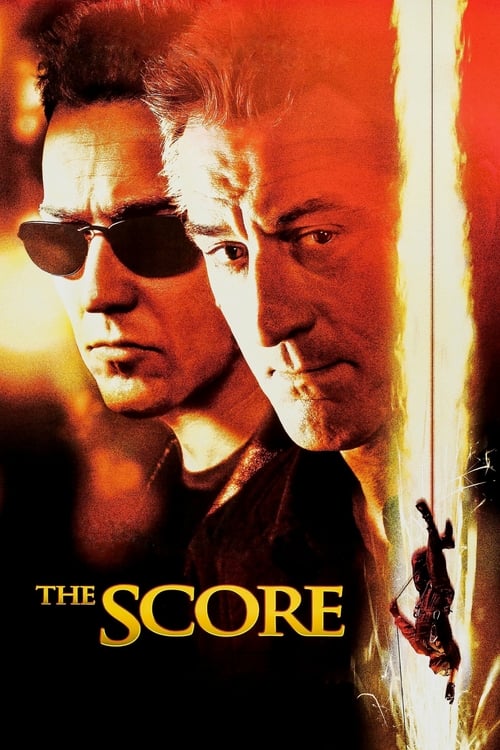
The Score
An aging thief hopes to retire and live off his ill-gotten wealth when a young kid convinces him into doing one last heist.
Working with a mid-range budget of $68.0M, the film achieved a respectable showing with $113.6M in global revenue (+67% profit margin).
1 win & 1 nomination


Plot Structure
Story beats plotted across runtime


Narrative Arc
Emotional journey through the story's key moments
Story Circle
Blueprint 15-beat structure
Arcplot Score Breakdown
Weighted: Precision (70%) + Arc (15%) + Theme (15%)
The Score (2001) exhibits deliberately positioned narrative architecture, characteristic of Frank Oz's storytelling approach. This structural analysis examines how the film's 15-point plot structure maps to proven narrative frameworks across 2 hours and 4 minutes. With an Arcplot score of 7.4, the film balances conventional beats with creative variation.
Structural Analysis
The Status Quo at 1 minutes (1% through the runtime) establishes Nick Wells operates his jazz club in Montreal, living a comfortable double life as a respected businessman and master thief. He's planning one last retirement with his girlfriend Diane.. Notably, this early placement immediately immerses viewers in the story world.
The inciting incident occurs at 15 minutes when Max presents Nick with a job too lucrative to refuse: stealing a priceless French royal scepter from the Montreal Customs House. Despite promising Diane he'd retire, Nick is tempted by the massive payday that would secure their future.. At 12% through the film, this Disruption aligns precisely with traditional story structure. This beat shifts the emotional landscape, launching the protagonist into the central conflict.
The First Threshold at 32 minutes marks the transition into Act II, occurring at 26% of the runtime. This illustrates the protagonist's commitment to Nick commits to the heist, agreeing to work with Jack despite his reservations. He crosses the line, betraying his promise to Diane and entering the world of this complex, dangerous job., moving from reaction to action.
At 63 minutes, the Midpoint arrives at 51% of the runtime—precisely centered, creating perfect narrative symmetry. The analysis reveals that this crucial beat During the heist, Nick discovers Jack's deception: he's actually working undercover or has ulterior motives. The stakes escalate as Nick realizes he's been manipulated and the job is more dangerous than presented. False defeat: what seemed like a straightforward job is revealed as a trap., fundamentally raising what's at risk. The emotional intensity shifts, dividing the narrative into clear before-and-after phases.
The Collapse moment at 94 minutes (76% through) represents the emotional nadir. Here, The heist goes wrong or Max is killed/betrayed, representing the death of Nick's old life and partnerships. Everything Nick built—his reputation, his relationships, his exit strategy—collapses. He faces losing everything: his freedom, Diane, and possibly his life., indicates the protagonist at their lowest point. This beat's placement in the final quarter sets up the climactic reversal.
The Second Threshold at 99 minutes initiates the final act resolution at 80% of the runtime. Nick synthesizes his old expertise with newfound wisdom. He devises a plan to outmaneuver Jack, recover the scepter, and escape. He accepts who he is—a master thief—but chooses to use those skills one final time on his own terms., demonstrating the transformation achieved throughout the journey.
Emotional Journey
The Score's emotional architecture traces a deliberate progression across 15 carefully calibrated beats.
Narrative Framework
This structural analysis employs a 15-point narrative structure framework that maps key story moments. By mapping The Score against these established plot points, we can identify how Frank Oz utilizes or subverts traditional narrative conventions. The plot point approach reveals not only adherence to structural principles but also creative choices that distinguish The Score within the action genre.
Frank Oz's Structural Approach
Among the 11 Frank Oz films analyzed on Arcplot, the average structural score is 7.2, reflecting strong command of classical structure. The Score represents one of the director's most structurally precise works. For comparative analysis, explore the complete Frank Oz filmography.
Comparative Analysis
Additional action films include The Bad Guys, Puss in Boots and Venom: The Last Dance. For more Frank Oz analyses, see The Dark Crystal, The Indian in the Cupboard and Dirty Rotten Scoundrels.
Plot Points by Act
Act I
SetupStatus Quo
Nick Wells operates his jazz club in Montreal, living a comfortable double life as a respected businessman and master thief. He's planning one last retirement with his girlfriend Diane.
Theme
Max, Nick's fence, tells him "You can't teach an old dog new tricks" and discusses the dangers of not knowing when to quit, foreshadowing Nick's struggle between retirement and one last score.
Worldbuilding
We see Nick's world: his successful jazz club facade, his relationship with Diane who wants him to retire, his partnership with Max, and his meticulous approach to thievery. Nick completes a safe job, demonstrating his expertise and careful methodology.
Disruption
Max presents Nick with a job too lucrative to refuse: stealing a priceless French royal scepter from the Montreal Customs House. Despite promising Diane he'd retire, Nick is tempted by the massive payday that would secure their future.
Resistance
Nick resists initially, knowing it breaks his rules. Max introduces Jack, a young ambitious thief who has inside access. Nick debates whether to break his retirement promise, investigates the Customs House, and reluctantly begins planning despite his misgivings about Jack.
Act II
ConfrontationFirst Threshold
Nick commits to the heist, agreeing to work with Jack despite his reservations. He crosses the line, betraying his promise to Diane and entering the world of this complex, dangerous job.
Mirror World
Jack represents everything Nick is trying to leave behind: young, reckless ambition without discipline. Their relationship becomes a mirror showing Nick what he once was and forcing him to confront whether he can truly change.
Premise
The heist planning and execution unfolds. Nick and Jack work together, casing the Customs House, developing the plan, and navigating the sophisticated security systems. We see Nick's mastery in action as he meticulously prepares for the break-in.
Midpoint
During the heist, Nick discovers Jack's deception: he's actually working undercover or has ulterior motives. The stakes escalate as Nick realizes he's been manipulated and the job is more dangerous than presented. False defeat: what seemed like a straightforward job is revealed as a trap.
Opposition
Nick must navigate Jack's betrayal while completing the heist. Pressure mounts from all sides: the police close in, Max is caught in the middle, and Diane grows suspicious. Nick's world closes in as his criminal past collides with his desire for a legitimate future.
Collapse
The heist goes wrong or Max is killed/betrayed, representing the death of Nick's old life and partnerships. Everything Nick built—his reputation, his relationships, his exit strategy—collapses. He faces losing everything: his freedom, Diane, and possibly his life.
Crisis
Nick processes the betrayal and loss, confronting whether his skills and old ways can save him or if they're what doomed him. He faces the dark truth that he can never truly leave this life behind while unfinished business remains.
Act III
ResolutionSecond Threshold
Nick synthesizes his old expertise with newfound wisdom. He devises a plan to outmaneuver Jack, recover the scepter, and escape. He accepts who he is—a master thief—but chooses to use those skills one final time on his own terms.
Synthesis
Nick executes his counter-plan, outthinking Jack and the authorities. He confronts Jack directly, retrieves the scepter, and orchestrates his genuine exit from the criminal world. The finale shows Nick using all his accumulated skills and wisdom to achieve true freedom.
Transformation
Nick and Diane leave Montreal together, finally achieving the retirement he promised. Unlike the opening where he was merely planning to quit, he's now truly free—having earned his exit by confronting and defeating his past rather than running from it.