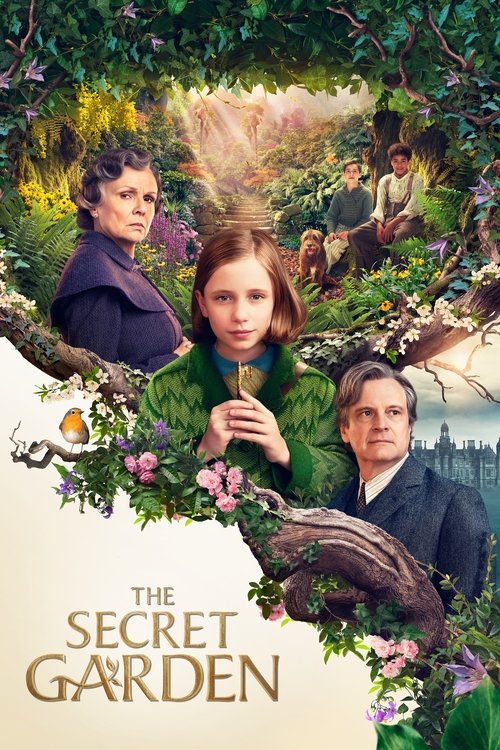
The Secret Garden
Mary Lennox is born in India to wealthy British parents who never wanted her. When her parents suddenly die, she is sent back to England to live with her uncle. She meets her sickly cousin, and the two children find a wondrous secret garden lost in the grounds of Misselthwaite Manor.
The film earned $8.7M at the global box office.
1 win & 3 nominations


Plot Structure
Story beats plotted across runtime


Narrative Arc
Emotional journey through the story's key moments
Story Circle
Blueprint 15-beat structure
Arcplot Score Breakdown
Weighted: Precision (70%) + Arc (15%) + Theme (15%)
The Secret Garden (2020) demonstrates meticulously timed plot construction, characteristic of Marc Munden's storytelling approach. This structural analysis examines how the film's 15-point plot structure maps to proven narrative frameworks across 1 hour and 40 minutes. With an Arcplot score of 7.4, the film balances conventional beats with creative variation.
Structural Analysis
The Status Quo at 1 minutes (1% through the runtime) establishes Mary Lennox lives in colonial India, orphaned and emotionally isolated after her parents' death in an earthquake. She is shown as bitter, spoiled, and unloved.. Structural examination shows that this early placement immediately immerses viewers in the story world.
The inciting incident occurs at 13 minutes when Mary discovers a mysterious robin and follows it into the grounds, where she learns about the locked secret garden that has been closed for ten years since her aunt's death. Her curiosity is awakened.. At 13% through the film, this Disruption is delayed, allowing extended setup of the story world. This beat shifts the emotional landscape, launching the protagonist into the central conflict.
The First Threshold at 25 minutes marks the transition into Act II, occurring at 25% of the runtime. This indicates the protagonist's commitment to Mary finds the key and unlocks the secret garden, making the active choice to enter the forbidden space. She steps into the overgrown, magical garden and decides to bring it back to life., moving from reaction to action.
At 51 minutes, the Midpoint arrives at 51% of the runtime—precisely centered, creating perfect narrative symmetry. Of particular interest, this crucial beat Colin walks for the first time and experiences the garden. This false victory seems like a triumph, but the stakes raise as they must keep the garden secret from Lord Craven and Mrs. Medlock, who would shut it down., fundamentally raising what's at risk. The emotional intensity shifts, dividing the narrative into clear before-and-after phases.
The Collapse moment at 76 minutes (76% through) represents the emotional nadir. Here, The garden is discovered by Mrs. Medlock and Lord Craven. Craven orders it locked again, and Colin collapses under the emotional weight. The dream of healing dies, and the children face separation. This is the darkest moment., shows the protagonist at their lowest point. This beat's placement in the final quarter sets up the climactic reversal.
The Second Threshold at 80 minutes initiates the final act resolution at 80% of the runtime. Mary realizes that the garden's magic isn't in the place but in them—they must show Lord Craven that healing is possible. She convinces Colin to walk again, and they decide to fight for their family rather than accept defeat., demonstrating the transformation achieved throughout the journey.
Emotional Journey
The Secret Garden's emotional architecture traces a deliberate progression across 15 carefully calibrated beats.
Narrative Framework
This structural analysis employs structural analysis methodology used to understand storytelling architecture. By mapping The Secret Garden against these established plot points, we can identify how Marc Munden utilizes or subverts traditional narrative conventions. The plot point approach reveals not only adherence to structural principles but also creative choices that distinguish The Secret Garden within the family genre.
Comparative Analysis
Additional family films include The Black Stallion, The Bad Guys and Ella Enchanted.
Plot Points by Act
Act I
SetupStatus Quo
Mary Lennox lives in colonial India, orphaned and emotionally isolated after her parents' death in an earthquake. She is shown as bitter, spoiled, and unloved.
Theme
Mrs. Medlock warns Mary about staying in her place and not wandering, hinting at secrets hidden within Misselthwaite Manor. The theme of hidden things waiting to be discovered and brought to life is established.
Worldbuilding
Mary arrives at the gloomy Misselthwaite Manor in Yorkshire. She meets her withdrawn uncle Archibald Craven, the strict housekeeper Mrs. Medlock, and the kind maid Martha. The manor is cold, forbidding, and filled with locked doors and secrets. Colin, her invalid cousin, remains hidden.
Disruption
Mary discovers a mysterious robin and follows it into the grounds, where she learns about the locked secret garden that has been closed for ten years since her aunt's death. Her curiosity is awakened.
Resistance
Martha's brother Dickon becomes Mary's guide to nature and the moors. Mary searches for the key to the secret garden and hesitates about entering this forbidden space. She also hears mysterious crying in the manor at night.
Act II
ConfrontationFirst Threshold
Mary finds the key and unlocks the secret garden, making the active choice to enter the forbidden space. She steps into the overgrown, magical garden and decides to bring it back to life.
Mirror World
Mary discovers Colin, her bedridden cousin who believes he's dying. This relationship becomes the emotional B-story. Colin mirrors Mary's emotional isolation and both children are trapped by grief and trauma.
Premise
Mary, Dickon, and eventually Colin work together to restore the secret garden. The garden becomes a magical sanctuary where the children heal emotionally. Mary learns to care for others, Colin gains strength, and the garden blooms. This is the promise of the premise: witnessing transformation through nature and connection.
Midpoint
Colin walks for the first time and experiences the garden. This false victory seems like a triumph, but the stakes raise as they must keep the garden secret from Lord Craven and Mrs. Medlock, who would shut it down.
Opposition
Mrs. Medlock grows suspicious of the children's activities. Lord Craven plans to send Colin away to boarding school. The adult world closes in, threatening to destroy the progress the children have made. Tension builds as the garden's discovery becomes imminent.
Collapse
The garden is discovered by Mrs. Medlock and Lord Craven. Craven orders it locked again, and Colin collapses under the emotional weight. The dream of healing dies, and the children face separation. This is the darkest moment.
Crisis
Mary and Colin process their loss. Colin retreats to his wheelchair, seemingly accepting defeat. Mary grieves alone. The emotional darkness forces both children to confront whether their transformation was real or merely a fantasy.
Act III
ResolutionSecond Threshold
Mary realizes that the garden's magic isn't in the place but in them—they must show Lord Craven that healing is possible. She convinces Colin to walk again, and they decide to fight for their family rather than accept defeat.
Synthesis
The children confront Lord Craven in the garden. Colin walks to his father, demonstrating his transformation. Craven faces his grief over his wife's death and opens his heart. The family reunites, the garden is restored, and the manor transforms from a place of death to one of life.
Transformation
The final image shows the garden in full bloom with Mary, Colin, Dickon, and Lord Craven together as a family. Mary, once bitter and isolated, is now open, loving, and connected. The garden lives, and so do they.